The Introvert Who Outsold the Talkers: What 27 Years in the OR Teaches You About Trust
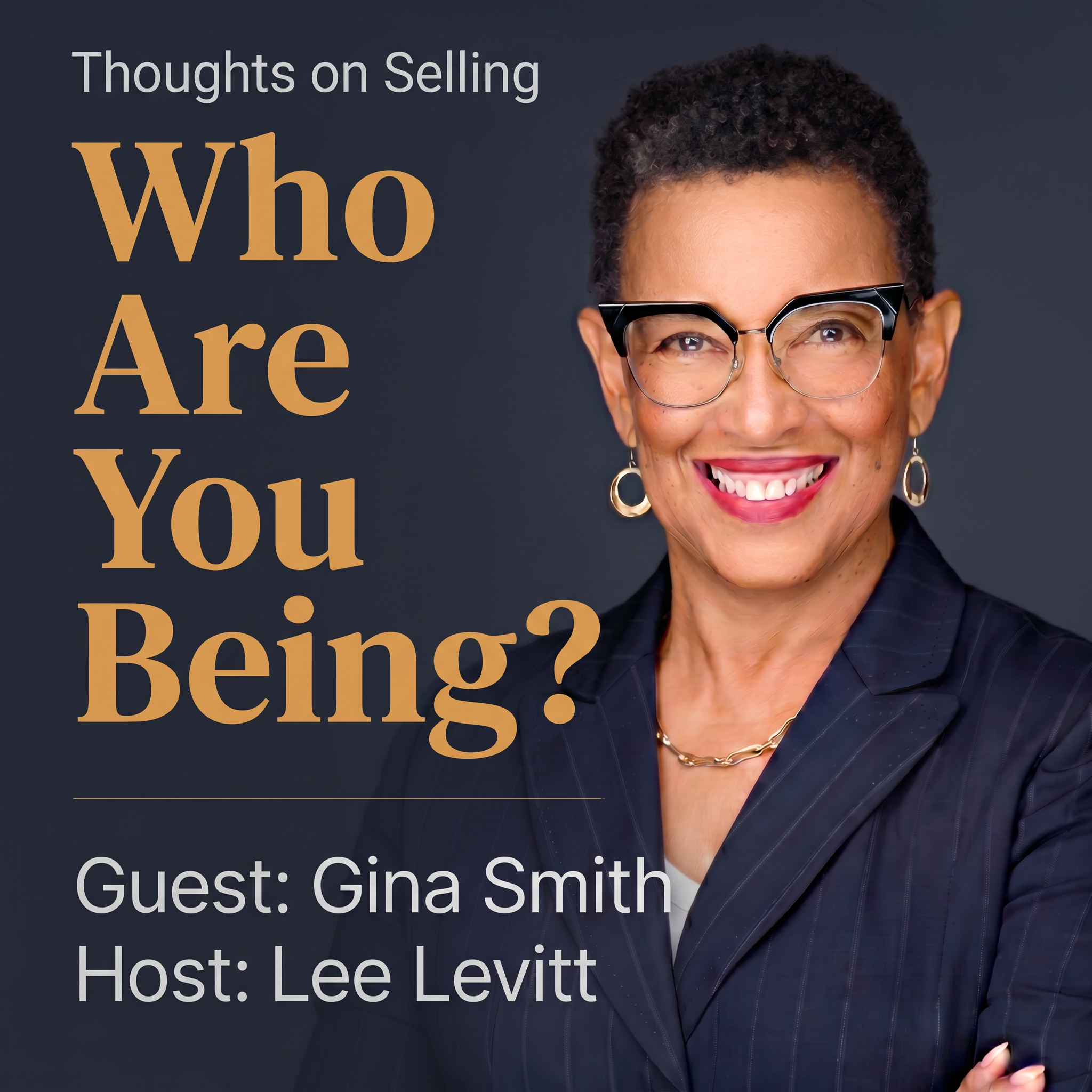
Gina Smith never imagined she'd spend 27 years in sales.
She grew up on a military base, where the only impression she had of salespeople came from movies, used car lots, and the occasional insurance agent at the door. Pushy. Manipulative. Not her world.
Then she got tired of HR, walked into a sales manager's office on a whim, and — after what she freely calls a "mercy interview" — found herself selling medical devices into hospital operating rooms.
Twenty-seven years later, she's coaching sales teams. And the principles she built her career on haven't changed.
Listening is the job.
Most people assume great salespeople are great talkers. Gina is the first to push back on that.
"I thought to be a salesperson, you had to be that talky person, entertaining the room all the time," she says. "I found that was not true — at least not for the environment I was in."
What she discovered instead: the best salespeople listen better than everyone else in the room. They ask questions. They pay attention to what buyers are really telling them. And they resist the urge to fill silence with product features.
In the OR environment, this mattered enormously. The people using her products were clinical professionals in high-stakes situations. They didn't need a performance. They needed someone who understood what they were actually dealing with.
The painful truth principle.
One of the clearest through-lines in Gina's approach is her willingness to tell customers things they don't want to hear.
If a product was going offshore and quality was going to suffer, she told them. If she couldn't solve a customer's problem, she told them — and sometimes even pointed them toward a competitor who could.
"I realize the painful truth might mean they end our contract," she says. "But I can live with myself knowing that I told them."
This isn't just ethics. It's strategy. The customers who received hard truths from Gina didn't leave — they stayed. They called her when a new opportunity came up. They brought her into accounts she'd never been in before. Trust, built through honesty, compound over time in ways that product superiority never can.
The OR is gone. The challenge isn't.
One of the more striking parts of this conversation was Gina's account of how hospital selling has changed.
When she started, she spent four days a week inside operating rooms and procedure areas, watching how her products were actually being used. That access taught her things no product manual ever could — when customers were using the most expensive option unnecessarily, when a different solution would serve them better, when something was going wrong before anyone said anything.
That access is largely gone now. Security restrictions, HIPAA, and several high-profile incidents have pushed most reps out of clinical environments. What's replaced direct clinical relationships is a more complex web of supply chain managers, group purchasing organizations, and value analysis committees.
"Now you're counting on the people who don't know what they don't know to tell you what they need," she says.
The implication for sellers: you have to work harder, earlier, and with more stakeholders to build the kind of trust that used to happen naturally in the room.
Who are you being?
The question Lee and Gina kept returning to is one that doesn't get enough airtime in sales: not what are you doing, but who are you being?
Are you showing up as someone with an agenda? Someone who's just waiting to talk? Someone for whom this customer is a quota number and nothing more?
Buyers know the answers to these questions before you've finished your opening sentence. The smell of neediness, as Gina puts it, is unmistakable. So is the smell of genuine care.
"Your customer knows — are they just a bag of groceries for you? Are they just a boat payment? Or do you actually care about their success?"
The salespeople who build lasting careers in complex environments are the ones buyers are willing to bet on. Not because they have the best product, or the sharpest pitch, but because they've made it clear whose side they're on.
That's what 27 years in the OR teaches you. It's not about selling. It's about being someone worth trusting.
Gina Smith coaches founders and sales teams through her practice at ginarsmith.com. You can also find her on LinkedIn.
Lee Levitt is a sales coach, podcast host, and author of The Second Meeting and Together We Win. Listen to the full episode at podcast.thoughtsonselling.com or schedule time to talk at meet.acelera.group.

