The JOLT Effect: Overcoming Buyer Overwhelm in B2B Sales
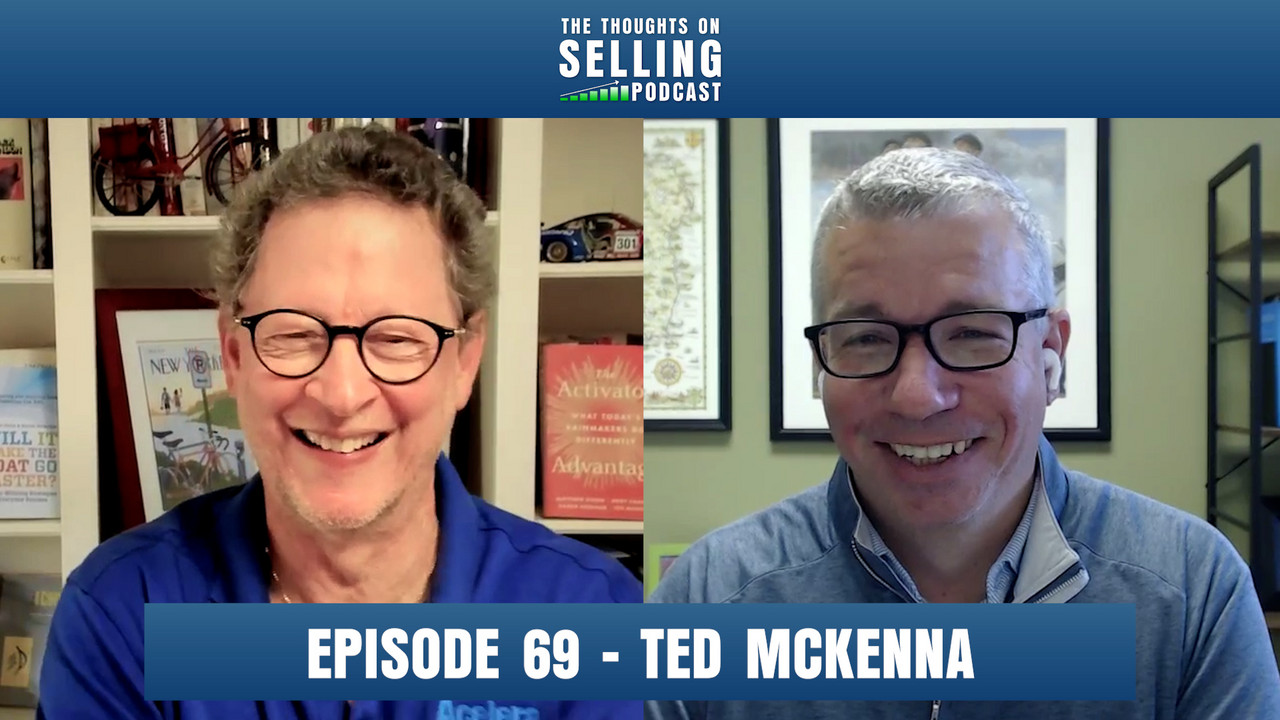
Welcome back to the blog, fellow sales enthusiasts! In our latest podcast episode, "Empathy, Insight, and Action: Ted McKenna on the New Sales Playbook", we had a truly insightful conversation with Ted McKenna, a luminary in the sales world, whose frameworks like The Challenger Sale and The JOLT Effect have reshaped how we think about modern selling. Today, we're going to dive deeper into one of those groundbreaking concepts: The JOLT Effect. This post will unpack why bombarding potential buyers with an avalanche of information is actually detrimental to closing deals and offer practical strategies to navigate the complex landscape of B2B decision-making with clarity and confidence.
Introduction: The Paradox of Information in B2B Sales
We live in an era of unprecedented access to information. For B2B buyers, this can be a double-edged sword. On one hand, they are more informed than ever before, able to research solutions, competitors, and market trends with a few clicks. On the other hand, this deluge of data can lead to a phenomenon we're calling buyer overwhelm, a state of paralysis where the sheer volume of choices and potential implications prevents them from making a decision. This paradox is at the heart of the challenges we face in B2B sales today. We often mistakenly believe that providing more detailed information, more comprehensive decks, and more extensive case studies will lead to a quicker, more informed decision. However, as our discussion with Ted McKenna highlights, this approach can backfire spectacularly, creating friction rather than fostering progress. The goal of sales is to guide the buyer towards a solution that meets their needs, not to drown them in data until they retreat into the safety of inaction.
Understanding the JOLT Effect: Why More Isn't Always Better
So, what exactly is the JOLT Effect? Coined by Ted McKenna and his collaborators, it describes the all-too-common scenario where a potential buyer, faced with an overwhelming amount of information and options, becomes paralyzed and ultimately makes no decision. In essence, more information doesn't necessarily lead to better decisions; it can lead to no decision. This is a critical departure from older sales methodologies that emphasized inundating prospects with every piece of collateral imaginable. The modern buyer is often bombarded by vendors, each presenting their unique value proposition with a mountain of supporting evidence. Without a guiding hand, this can quickly turn from a helpful resource into a debilitating burden. The JOLT Effect recognizes that the buyer's cognitive load is finite, and exceeding that capacity leads to avoidance rather than engagement. It's a subtle yet powerful shift in perspective: the seller's job isn't just to present, but to curate, simplify, and guide.
The Root Causes: Buyers Overwhelmed and Hesitant
Several factors contribute to this state of buyer overwhelm. Firstly, the sheer volume of available solutions in most B2B markets is staggering. Buyers are presented with a multitude of vendors, each claiming to be the best, the most innovative, or the most cost-effective. Secondly, the accessibility of information has empowered buyers to conduct extensive research independently. While this is a positive development in many ways, it also means they are exposed to a wider range of opinions, potentially conflicting data, and the fear of missing out on a better alternative. Thirdly, the stakes in B2B purchasing decisions are often very high. A wrong choice can have significant financial repercussions, impact team productivity, and even affect individual careers. This inherent risk amplifies the pressure to make the "perfect" decision, making buyers more hesitant to commit.
As Ted McKenna eloquently puts it, buyers are not just evaluating a product or service; they are evaluating the decision itself. They are weighing the potential benefits against the potential risks, the perceived gains against the potential losses. When a seller inundates them with too much information, it amplifies these risks in the buyer's mind. They start to question not just the solution, but their own ability to assess the solution, leading to a vicious cycle of doubt and indecision. The buyer becomes a deer in the headlights, frozen by the sheer magnitude of the choice presented to them.
JOLT in Practice: The Pitfalls of Information Overload
Let's look at some common ways the JOLT Effect manifests in real-world sales interactions. Imagine a salesperson sending a prospect a twenty-slide presentation, followed by three case studies, a detailed pricing sheet, and a link to a 50-page whitepaper, all within a single email. The buyer, already busy, opens the first document, gets overwhelmed by the sheer volume of text and graphics, and quickly closes it, intending to review it "later." Later never comes. Another common pitfall is offering too many customization options or too many feature-sets without clearly linking them to the buyer's specific needs. This forces the buyer to do the heavy lifting of figuring out what's relevant, which they often don't have the time or expertise to do effectively. Instead of feeling empowered by the information, they feel burdened by the task of sifting through it. This can lead to them defaulting to their current situation, simply because it's the path of least resistance and minimal cognitive effort.
Furthermore, when a salesperson relies heavily on reciting features and benefits without understanding the buyer's unique context, it adds to the information overload. The buyer hears a generic message that doesn't resonate with their specific challenges or goals. They are left to bridge the gap themselves, which is a daunting prospect. The JOLT Effect thrives in environments where sales conversations are transactional and information-centric, rather than consultative and outcome-focused. It's the consequence of assuming that more data equates to more clarity, when in reality, it can create more confusion.
The Real Bottleneck: Fear of Making a Mistake
The core of the JOLT Effect isn't just about being overwhelmed by information; it's about the underlying fear of making a mistake. In B2B sales, decisions are rarely unilateral, and the consequences of a poor choice can be far-reaching. Buyers are acutely aware of the potential career implications if a chosen solution fails to deliver or, worse, causes problems. They worry about wasted budget, lost productivity, and damage to their reputation. Discounts, while sometimes a factor, are rarely the primary driver of a stalled deal when this fear is present. What truly moves the needle is addressing and mitigating this fear of making a mistake. Sellers who understand this can shift their focus from simply presenting features to alleviating perceived risks.
This fear is exacerbated when the sales process feels impersonal or when the seller doesn't demonstrate a deep understanding of the buyer's business and its unique challenges. In such scenarios, the buyer feels like they are making a decision in a vacuum, without adequate support or reassurance. The seller becomes an external party rather than a trusted advisor. The JOLT Effect highlights that the emotional aspect of decision-making, particularly the fear of negative consequences, is often the true bottleneck in B2B sales, and it is this fear that sellers must learn to address and alleviate.
Beyond Features: Addressing the Emotional Aspect of Decisions
To combat the JOLT Effect, sales professionals must move beyond a purely feature-and-benefit-driven approach and delve into the emotional landscape of the buyer's decision-making process. This involves active listening, empathy, and a genuine curiosity about their challenges and aspirations. Instead of presenting a laundry list of features, focus on how your solution specifically solves their problems and helps them achieve their goals. Ask probing questions that uncover their underlying concerns and anxieties. For instance, instead of asking "Do you need advanced analytics?", ask "What are the biggest challenges you face in understanding your customer behavior, and what would it mean for your business if you could overcome those?"
Building trust and rapport is paramount. Buyers are more likely to commit when they feel understood and confident in the seller's ability to guide them. This means being transparent, managing expectations realistically, and providing evidence that addresses their specific concerns. It's about demonstrating that you've done your homework and that you genuinely care about their success. This empathetic approach, as echoed in our conversation with Ted McKenna, is the cornerstone of modern selling. It's about seeing the buyer not as a target to be closed, but as a partner in solving a problem.
The 'Activator Advantage': Guiding Decisions with Quality and Empathy
Ted McKenna's work also introduces the concept of the "Activator Advantage," which speaks to the qualities of top-performing sellers who effectively guide buyers through complex decisions. Activators, as he describes them, are adept at building strong relationships, consistently delivering value, and fostering collaboration. They understand that selling isn't just about the transaction; it's about building a long-term partnership. This requires a proactive approach, where sellers don't wait for buyers to come to them with clear requirements but rather engage in a way that helps buyers uncover their own needs and solutions.
To leverage the Activator Advantage and overcome the JOLT Effect, sales professionals should focus on several key principles:
Actionable Strategies: How to Implement the JOLT Effect Principles
Implementing the principles of the JOLT Effect requires a conscious shift in your sales approach. Here are some actionable strategies:
- Prioritize and Simplify: Instead of overwhelming buyers with everything you have, identify the most critical information relevant to their specific situation. Present it in a clear, concise, and easily digestible format. Use storytelling and visual aids to make complex information more accessible.
- Focus on "Why": Always tie your solution back to the buyer's "why." What are their business objectives? What are their pain points? How will your solution directly address those, and what are the tangible outcomes? This contextualizes the information and makes it more meaningful.
- Ask Insightful Questions: Move beyond surface-level inquiries. Ask questions that uncover the buyer's underlying motivations, concerns, and fears. This not only helps you understand their needs better but also demonstrates your genuine interest and expertise.
- Address Risk Proactively: Acknowledge the inherent risks in any purchasing decision and proactively address them. Share testimonials from similar clients who have successfully navigated these challenges. Provide data that quantifies the benefits and minimizes perceived downsides.
- Be a Curator, Not a Broadcaster: Think of yourself as a trusted advisor who is curating the best information for the buyer, rather than a vendor who is broadcasting every piece of marketing collateral. This builds confidence and trust.
- Leverage the Power of "No Decision": Sometimes, the best way to move forward is to help the buyer understand the implications of not making a decision. Frame the conversation around the missed opportunities or the continued challenges they will face if they remain stagnant.
- Build Relationships on Trust: Foster genuine connections with your buyers. Be authentic, transparent, and reliable. Buyers are more likely to overcome overwhelm and make a decision when they trust the person guiding them.
- Embrace Empathy: Put yourself in the buyer's shoes. Understand their pressures, their responsibilities, and their personal goals. This empathetic approach will shape your communication and ensure you're addressing their needs holistically.
By adopting these strategies, sales professionals can transform their interactions from overwhelming data dumps into guided journeys, leading to more confident and decisive buyers. It’s about quality over quantity, insight over information overload, and empathy over a purely transactional approach. It's about becoming an activator, not just a vendor.
Conclusion: Selling with Clarity and Confidence
In our journey through the complexities of B2B sales, understanding and implementing the JOLT Effect is not just beneficial; it's essential. As we discussed in our latest episode, "Empathy, Insight, and Action: Ted McKenna on the New Sales Playbook", the modern sales landscape demands a more nuanced, empathetic, and strategically guided approach. By recognizing that overwhelming buyers with information can lead to paralysis, and by shifting our focus to addressing their emotional needs and mitigating their fears, we can unlock new levels of success. Selling with clarity means cutting through the noise and delivering targeted, relevant insights. Selling with confidence stems from knowing you are a trusted advisor, guiding your buyer toward a decision that benefits them, not just closes a deal. Embrace the principles of the JOLT Effect, and you'll find yourself building stronger relationships, fostering greater trust, and ultimately, driving more impactful outcomes for both your clients and your own business.