The Invisible Manager: Why Making Yourself Obsolete is the Best Leadership Strategy
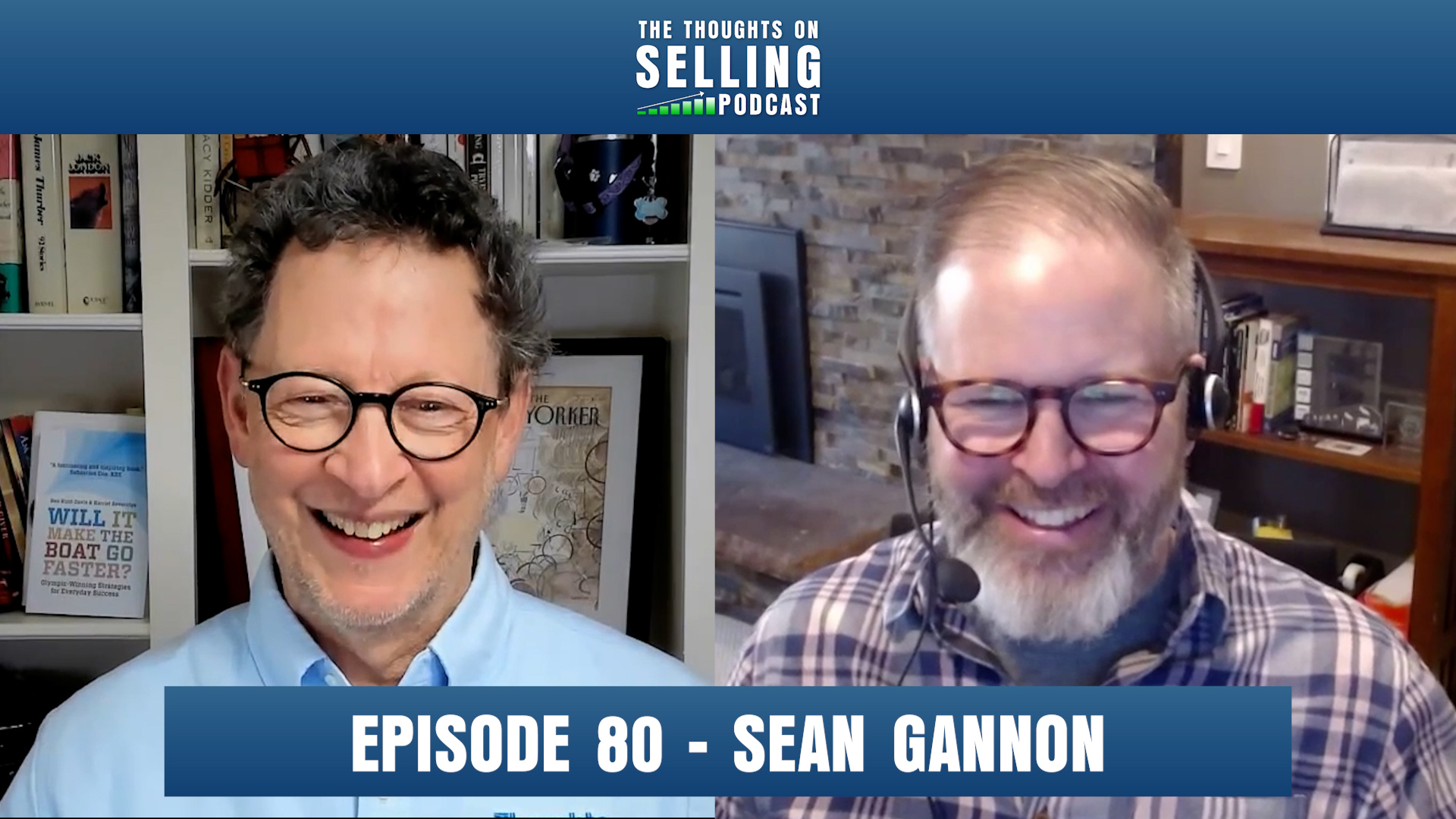
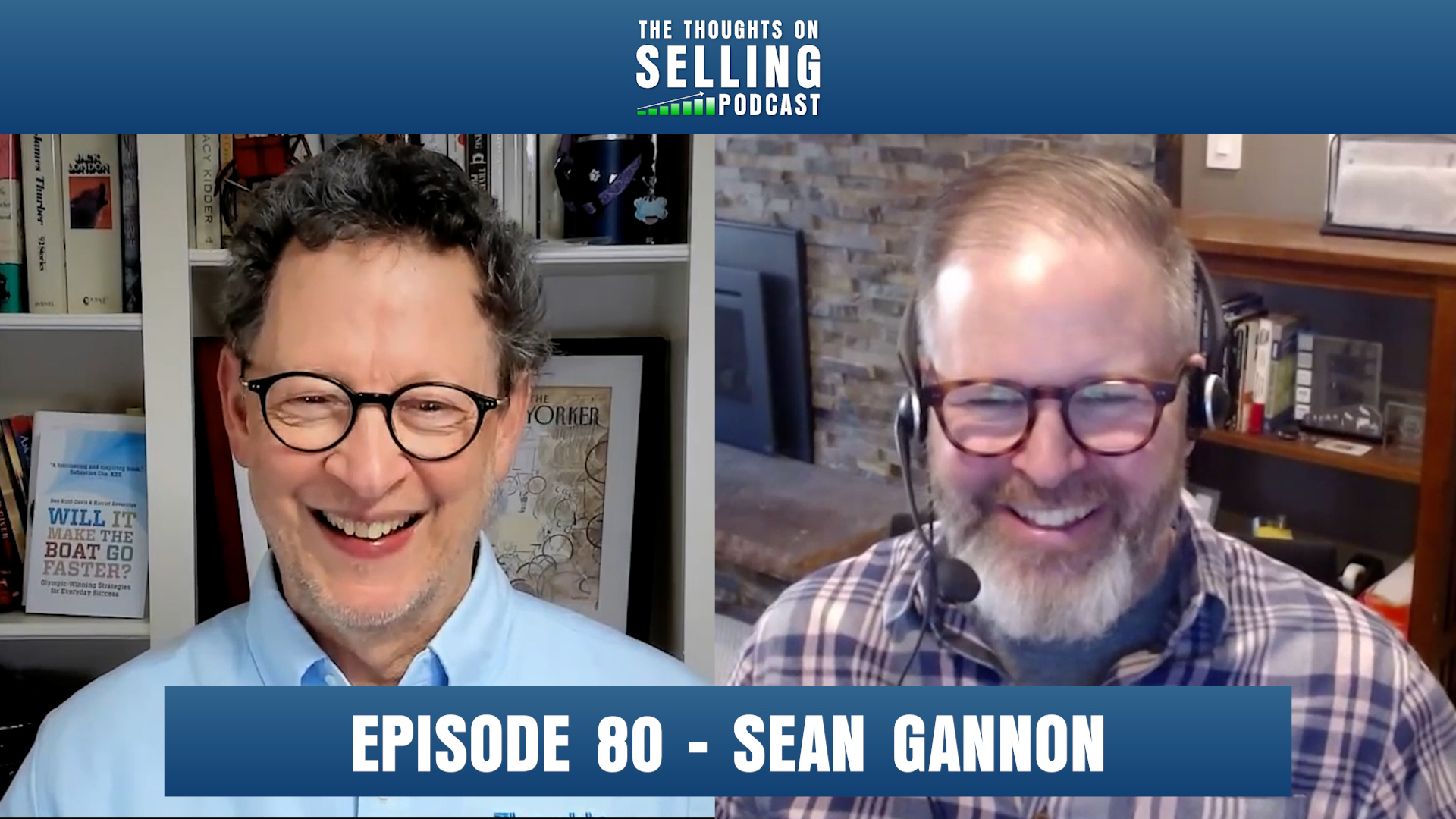
In today's fast-paced business environment, the role of a manager is constantly evolving. The old command-and-control style is quickly becoming outdated, replaced by a more empowering and collaborative approach. But what if the ultimate goal of a manager was to become completely unnecessary? That's the core concept behind "invisible management," a strategy where the focus is on building a team so competent and self-sufficient that they no longer require constant supervision. This blog post dives deep into the principles of invisible management, exploring why striving for obsoletion is a sign of true leadership success. We'll draw insights from our latest episode, Episode 80: The Invisible Manager: Scaling GTM & Knowing When to Stop Selling, with Sean Gannon, where we spoke with Sean Gannon, founder of GTMPPL (GTM People), about his unique perspective on sales leadership and team empowerment. Get ready to challenge your assumptions about management and discover how to create a team that thrives independently.
Why Striving for Obsoletion is a Good Thing
The idea of working yourself out of a job might sound counterintuitive, especially in a culture that often equates busyness with importance. However, the core of invisible management hinges on the understanding that a manager's true value lies in building a high-performing team that can operate effectively without constant oversight. Think of it this way: a well-designed system runs smoothly with minimal intervention. A truly effective manager creates that system, equipping their team with the tools, knowledge, and autonomy to excel.
When a manager focuses on empowering their team, several positive outcomes emerge. First, it fosters a sense of ownership and accountability. Employees who feel trusted and valued are more likely to take initiative and be proactive in solving problems. Second, it frees up the manager's time to focus on strategic initiatives and long-term planning, rather than getting bogged down in day-to-day tasks. Third, it promotes a culture of continuous learning and development, as team members are encouraged to expand their skills and take on new challenges. Ultimately, striving for obsoletion is not about becoming irrelevant, but about creating a sustainable and scalable team that can thrive in the long run.
Sean Gannon's Perspective on Sales Leadership
Sean Gannon, our guest on Episode 80, brings a wealth of experience in sales leadership and a unique perspective on the role of a manager. He argues that the ultimate goal of a sales manager is to make themselves "invisible" to the team. This doesn't mean being disengaged or unavailable, but rather creating an environment where the team feels empowered to make decisions, solve problems, and drive results without needing constant direction.
Sean's approach to sales leadership emphasizes coaching and mentorship over micromanagement. He believes that a manager's primary responsibility is to help their team develop the skills and knowledge they need to succeed. This involves providing regular feedback, identifying areas for improvement, and creating opportunities for growth. By focusing on coaching, Sean helps his team become more self-sufficient and confident, reducing their reliance on him for day-to-day guidance. This creates a virtuous cycle: as the team becomes more independent, the manager has more time to focus on strategic initiatives, which in turn benefits the entire organization.
From Spreadsheet Inspection to Coaching
One of the most compelling insights from our conversation with Sean was his description of his evolution from a manager who managed by "spreadsheet inspection" to a leader who focused on coaching. Early in his career, Sean admits to spending a significant amount of time scrutinizing spreadsheets, looking for mistakes and inconsistencies. While data analysis is certainly important, Sean realized that this approach was not only time-consuming but also demotivating for his team. It created a culture of fear and prevented them from taking risks and experimenting with new ideas.
Over time, Sean shifted his focus from inspection to coaching. He began spending more time talking to his team members, understanding their challenges, and providing guidance and support. He realized that by investing in their development, he could create a more engaged and productive team. The results were dramatic: Sean's team's retention rate doubled, and their overall performance improved significantly. This transformation highlights the power of coaching and mentorship in creating a high-performing team. It also underscores the importance of building trust and rapport with your team members, creating an environment where they feel comfortable asking for help and sharing their ideas.
Everyone is in Sales: Redefining the Sales Role
Another key takeaway from our conversation with Sean is the idea that "everyone is in sales," regardless of their job title or department. This concept challenges the traditional view of sales as a function limited to sales representatives and account managers. In reality, every employee plays a role in representing the company and its brand, whether they're interacting with customers, partners, or even internal stakeholders. Whether you are an SDR, a CSM, or pitching a project to your boss, everyone in the organization is selling something.
For example, a customer service representative is selling the company's commitment to customer satisfaction. An engineer is selling the value of their technical expertise. A marketing manager is selling the company's brand and products. By recognizing that everyone is in sales, organizations can create a more customer-centric culture and improve overall performance. This requires providing all employees with the training and tools they need to effectively communicate the company's value proposition and build strong relationships with stakeholders. It also means empowering employees to take ownership of the customer experience and go the extra mile to meet their needs.
Marketing and Sales Alignment: Beyond Lead Volume
The relationship between marketing and sales is often fraught with tension, with each department blaming the other for underperformance. Marketing complains that sales doesn't follow up on leads, while sales complains that marketing doesn't generate enough qualified leads. Sean argues that this "throw it over the wall" mentality is detrimental to both departments and the organization as a whole. Instead, he advocates for a more collaborative and integrated approach, where marketing and sales work together to drive revenue growth.
Sean emphasizes that marketing's role goes beyond simply generating leads. While lead volume is certainly important, marketing must also focus on lead quality and conversion rates. This requires a deep understanding of the sales process and the needs of the sales team. Marketing should also be responsible for providing sales with the tools and resources they need to effectively engage with prospects and close deals. This includes creating compelling content, developing targeted messaging, and providing sales training and support. By aligning marketing and sales, organizations can create a more efficient and effective revenue engine.
The Danger of Sticking to the Script
One of the most humorous and insightful stories Sean shared on Episode 80 was about a salesperson who stuck rigidly to the sales script, even after the customer had already expressed interest in buying. Sean, who was the customer in this scenario, found himself being taken through the Sandler "pain funnel" even though he was already sold on the product. This illustrates the danger of relying too heavily on scripts and formulas in sales.
While scripts can be helpful as a starting point, they should not be treated as a substitute for genuine conversation and active listening. A good salesperson knows how to adapt their approach to the individual needs and preferences of each customer. They listen carefully to what the customer is saying, ask insightful questions, and tailor their presentation accordingly. By focusing on building rapport and understanding the customer's needs, salespeople can create a more positive and productive buying experience. The key is to use scripts as a guide, not a crutch, and to always prioritize the customer's needs and preferences.
The Power of Authenticity: 'I Don't Know' is Okay
In today's world, authenticity is highly valued. Customers are more likely to trust and engage with businesses that are transparent, honest, and genuine. This applies to sales as well. Salespeople who try to be something they're not often come across as disingenuous and untrustworthy. Sean emphasizes the importance of authenticity in sales, arguing that it's okay to admit when you don't know the answer to a question. In fact, saying "I don't know" can actually build more rapport than faking it.
When a salesperson is honest and transparent, customers are more likely to trust them and view them as a valuable resource. Saying "I don't know" shows that you're not afraid to be vulnerable and that you're committed to providing accurate information. It also creates an opportunity to follow up with the customer and provide them with the information they need. By being authentic and honest, salespeople can build stronger relationships with customers and create a more positive and productive buying experience.
Key Takeaways: Empowering Your Team
To recap, here are the key takeaways from our discussion with Sean Gannon on the concept of invisible management:
- Strive for Obsoletion: A manager's ultimate goal should be to build a team so competent that they no longer require constant supervision.
- Everyone is in Sales: Recognize that every employee plays a role in representing the company and its brand.
- Marketing and Sales Alignment: Foster a collaborative and integrated approach between marketing and sales.
- Coaching over Inspection: Focus on coaching and mentoring your team members, rather than micromanaging them.
- Ditch the Script: Use scripts as a guide, not a crutch, and prioritize genuine conversation and active listening.
- Embrace Authenticity: Be honest and transparent with customers, and don't be afraid to say "I don't know."
By embracing these principles, managers can create a more empowered, engaged, and productive team.
Next Steps: Connect with Sean Gannon and GTMPPL
Ready to take your leadership skills to the next level and build a truly self-sufficient team? Here are some ways to connect with Sean Gannon and learn more about GTMPPL:
- Visit: GTMPPL.com to explore their services and resources.
- Connect: Find Sean Gannon on LinkedIn for his latest observations on the industry.
Conclusion: Stop Hovering, Start Empowering
The concept of invisible management may seem radical, but it represents a powerful shift in the way we think about leadership. By focusing on empowering our teams and creating an environment where they can thrive independently, we can unlock their full potential and drive greater success for our organizations. It's time to stop hovering and start empowering. As Sean pointed out in Episode 80, the ultimate goal of a leader is to become "invisible" – building a team so competent and well-coached that they no longer need you to intervene. This approach not only benefits the team but also frees up the manager to focus on strategic initiatives and long-term growth. Are you managing by "inspection," looking for mistakes in a spreadsheet, or are you coaching for longevity? It's time to challenge the status quo and embrace a new model of leadership that prioritizes empowerment and autonomy.