The Death of the Unicorn Playbook: Why Growth at All Costs is Over

In this post, we're diving deep into a topic that's been brewing in the business world for a while now: the obsolescence of the traditional "unicorn" playbook. For years, venture capital has fueled a model of raising massive funding rounds before even achieving true product-market fit, leading to explosive (and often unsustainable) growth. But that's changing. We'll explore why this model is failing and what a new, more intelligent approach looks like.
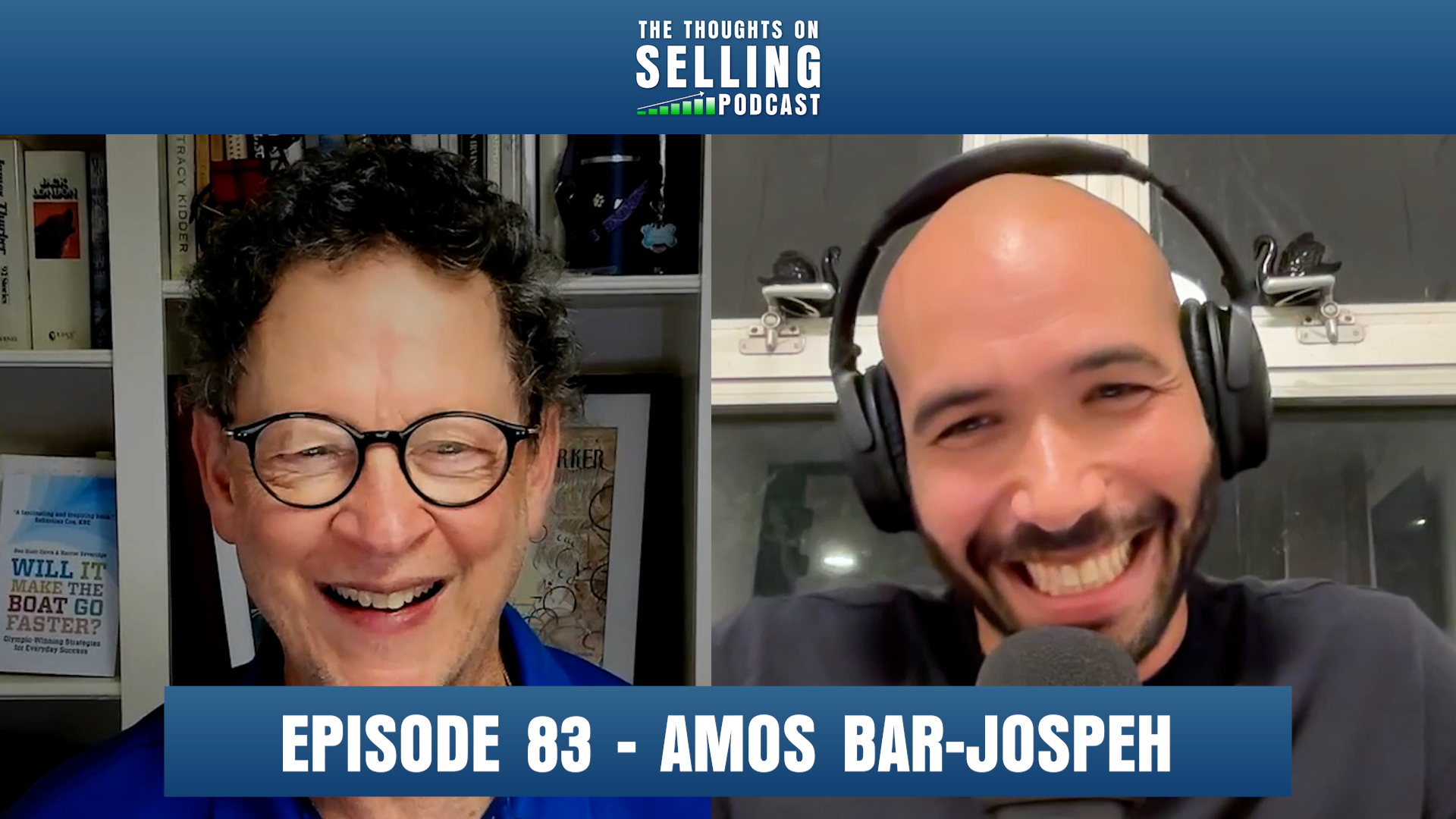
This blog post is an extension of my conversation with Amos Bar-Jospeh in the latest episode of Thoughts on Selling. Amos, a third-time entrepreneur, is building Swann, a company based on the idea of scaling with intelligence, not just headcount. We discussed the flaws of "growth at all costs," the potential of Human-AI collaboration, and the future of software itself. You can listen to the full episode here. Let's jump in!
Introduction: The Unicorn Dream is Over
The image is burned into our collective consciousness: a startup raises millions, hires rapidly, and aims for world domination before even figuring out if anyone truly wants what they're selling. This is the "unicorn" dream, fueled by venture capital and a relentless pursuit of growth above all else. But the cracks are starting to show.
We've seen countless examples of companies that raised enormous sums, scaled rapidly, and then crashed and burned. The reasons are varied, but a common thread emerges: prioritizing growth over sustainable business practices. This can lead to inefficiencies, bloated teams, and a disconnect from the actual needs of the customer.
The era of cheap capital is over. Investors are now demanding profitability and sustainable growth, not just hockey-stick charts. This shift in the market necessitates a new approach – one that prioritizes efficiency, intelligence, and a deep understanding of the customer.
The Anti-Capitalist Capitalist: Amos Bar-Jospeh's Vision
Enter Amos Bar-Jospeh, a self-proclaimed "anti-capitalist capitalist." This seemingly paradoxical title reflects his rejection of the traditional VC-fueled growth model. Amos is building Swann with a fundamentally different philosophy: to create a business that scales with intelligence, not just headcount. This means leveraging technology, particularly AI, to augment human capabilities and optimize workflows, rather than simply throwing more bodies at the problem.
Amos's vision is rooted in a deep understanding of the limitations of the "growth at all costs" approach. He recognizes that simply adding more people to a team doesn't necessarily translate to increased productivity or better results. In fact, it can often lead to increased complexity, communication breakdowns, and a decline in overall efficiency.
Instead, Amos advocates for a more strategic approach, one that focuses on identifying the key drivers of growth and then leveraging technology to amplify their impact. This means automating repetitive tasks, providing employees with the tools they need to be more productive, and creating systems that learn and adapt over time.
The Flaws of 'Growth at All Costs'
The "growth at all costs" model is riddled with flaws that ultimately undermine long-term success. Here are some of the most significant:
- Inefficiency: Rapid hiring often leads to redundancies, poor communication, and a lack of clear roles and responsibilities. This can result in wasted resources and a decline in overall productivity.
- Bloated Teams: Companies that prioritize headcount over efficiency often end up with bloated teams that are expensive to maintain and difficult to manage.
- Loss of Focus: A relentless focus on growth can distract companies from their core mission and values. This can lead to a decline in product quality, customer satisfaction, and employee morale.
- Burnout: The pressure to grow rapidly can create a culture of constant stress and long hours, leading to employee burnout and attrition.
- Disconnect from the Customer: As companies grow, they can become increasingly disconnected from their customers, losing sight of their needs and desires.
- Unsustainable Spending: Companies that raise massive amounts of capital often feel pressured to spend it quickly, even if they don't have a clear plan for how to do so effectively. This can lead to wasteful spending and a depletion of resources.
These flaws highlight the need for a more sustainable and intelligent approach to scaling a business – one that prioritizes efficiency, customer focus, and employee well-being.
Scaling with Intelligence: The Swann Approach
Swann offers a compelling alternative to the traditional "growth at all costs" model. The company is designed to scale with intelligence, meaning it leverages technology, particularly AI, to augment human capabilities and optimize workflows. This allows Swann to achieve significant growth without the need for massive headcount increases.
The core principles of the Swann approach include:
- Automation: Automating repetitive tasks to free up employees to focus on higher-value activities.
- Augmentation: Providing employees with AI-powered tools to enhance their productivity and decision-making abilities.
- Optimization: Continuously analyzing workflows and identifying opportunities for improvement.
- Adaptation: Creating systems that learn and adapt over time, becoming more efficient and effective.
By focusing on these principles, Swann is able to achieve significant growth while maintaining a lean and efficient team. This allows the company to be more agile, responsive to customer needs, and ultimately more sustainable in the long run.
Human-AI Collaboration: Not Replacement, Augmentation
A key element of the Swann approach is the concept of Human-AI collaboration. This is not about replacing humans with machines, but rather about augmenting human capabilities with AI. The goal is to create a symbiotic relationship where humans and AI work together to achieve better outcomes than either could achieve alone.
AI can handle repetitive tasks, analyze large datasets, and provide insights that would be impossible for humans to uncover on their own. Humans, on the other hand, can provide creativity, critical thinking, and emotional intelligence – qualities that AI currently lacks. By combining these strengths, companies can achieve significant improvements in productivity, efficiency, and innovation.
In the context of sales, for example, AI can be used to automate lead generation, qualify prospects, and personalize outreach. This frees up salespeople to focus on building relationships, closing deals, and providing exceptional customer service. The AI handles the mundane, the human handles the meaningful.
Sales as a Zero-Sum Game: The Importance of Differentiation
Amos makes a powerful point about sales being a zero-sum game: attention and budget are finite. Every buyer only has so much time and money to allocate. If everyone is using the same AI-powered tools to spam the same buyers with the same generic messages, no one wins.
Success in sales today requires differentiation. You need to stand out from the crowd and offer something unique and valuable that your competitors can't match. This requires human creativity, strategic thinking, and a deep understanding of the customer's needs.
AI can help you personalize your messaging and target the right prospects, but it can't create the underlying value proposition. That's where humans come in. You need to develop a compelling story, build strong relationships, and provide exceptional customer service to win in today's competitive market.
The Zone of Genius: Freeing Humans for High-Value Interactions
The ultimate goal of AI should be to free up humans to focus on their "zone of genius" – the activities that they are uniquely suited for and that provide the most value to the organization. This might include strategic thinking, creative problem-solving, building relationships, or providing exceptional customer service.
By automating everything *outside* of this zone of genius, companies can empower their employees to be more productive, engaged, and fulfilled. This can lead to improved performance, higher morale, and a more innovative culture.
Imagine a salesperson who no longer has to spend hours on administrative tasks or manually entering data into a CRM. Instead, they can focus on building relationships with key accounts, developing creative sales strategies, and providing exceptional customer service. This is the power of freeing humans to focus on their zone of genius.
The Evolution of Software: From Static to Adaptive
The traditional model of software is static: you buy a tool, you learn how to use it, and you feed it data. Amos argues that this model is becoming obsolete. The future of software is adaptive: software that learns your specific habits and feedback loops and re-tailors itself to your needs every single day.
Instead of generic features designed for everyone, adaptive software understands your individual workflow and provides personalized recommendations and insights. It automates tasks based on your specific needs and learns from your interactions to become more efficient and effective over time.
This shift from static to adaptive software represents a fundamental change in how we interact with technology. It's a move towards a more personalized, intelligent, and intuitive experience – one that empowers users to be more productive and effective.
System Interactions to Zero: The Future of Sales Tech
For years, CRMs promised to help us sell, but often became burdensome reporting tools. The future of sales tech lies in reducing system interactions to zero. The goal is to create tools that seamlessly integrate into your workflow and provide value without requiring you to spend hours entering data or generating reports.
Imagine a sales tool that automatically captures all your customer interactions, analyzes your sales data, and provides personalized recommendations without you having to lift a finger. This is the promise of zero-interaction sales tech – tools that work for you, not the other way around.
By eliminating unnecessary system interactions, salespeople can spend 100% of their time on buyer interactions, building relationships, and closing deals. This is the key to driving sales productivity and achieving sustainable growth.
Key Takeaways from the Episode
Here are some of the key takeaways from my conversation with Amos Bar-Jospeh:
- The "unicorn playbook" of raising massive capital before finding product-market fit is dead.
- Sales is a zero-sum game: attention and budget are finite. Success requires differentiation.
- The goal of AI is not to replace humans, but to augment their capabilities and free them to focus on their "zone of genius."
- The future of software is adaptive: software that learns your specific habits and feedback loops.
- The future of sales tech lies in reducing system interactions to zero, allowing salespeople to focus on buyer interactions.
Actionable Steps: Auditing Your Stack and Joining the Movement
So, what can you do to embrace this new model of intelligent scaling? Here are a few actionable steps:
- Audit Your Stack: Evaluate your current tools. Are they "recording and reporting" or are they actually adapting to your workflow?
- Experiment with AI: Explore how AI can be used to augment your team's capabilities and automate repetitive tasks.
- Focus on Differentiation: Develop a unique value proposition that sets you apart from the competition.
- Join the Movement: Subscribe to Amos's newsletter, The Big Shift, to follow the journey of building an autonomous business.
Conclusion: Embracing the Autonomous Business Model
The "growth at all costs" era is over. The future belongs to companies that embrace the autonomous business model – a model that prioritizes intelligence, efficiency, and Human-AI collaboration. By focusing on these principles, companies can achieve sustainable growth, empower their employees, and create a more innovative and fulfilling work environment.
This is a significant shift, and it requires a new mindset. But the potential rewards are enormous. By embracing the autonomous business model, you can create a company that is more agile, responsive, and ultimately more successful in the long run.
Be sure to listen to the full episode with Amos Bar-Jospeh here for even more insights and practical advice on building an autonomous business. Thanks for reading!