The Death of Discovery: Why Treating it as a Checkbox is Killing Your Deals
In the fast-paced world of sales, it's easy to get caught up in the numbers, the quotas, and the pressure to close deals. But in this rush, many sales teams fall into a dangerous trap: treating discovery as a mere phase, a box to be checked off. This approach, as we explore in this post, is a 'death sentence' for deals. We'll dive into why, and how to cultivate a discovery-focused mindset that extends from the initial call to long after the contract is signed. This mindset shift will not only improve your close rates, but it will also transform you into a true partner for your clients.
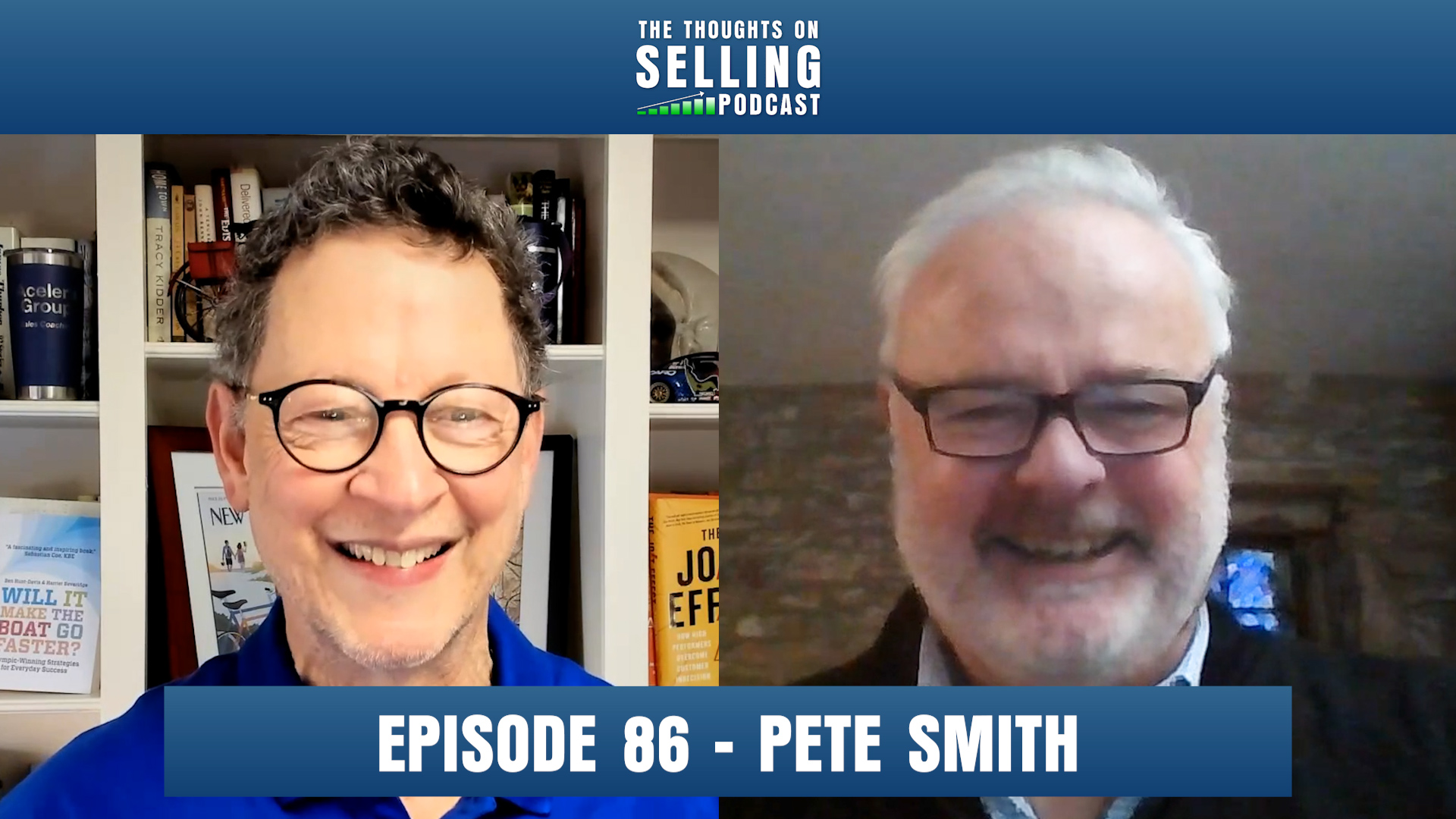
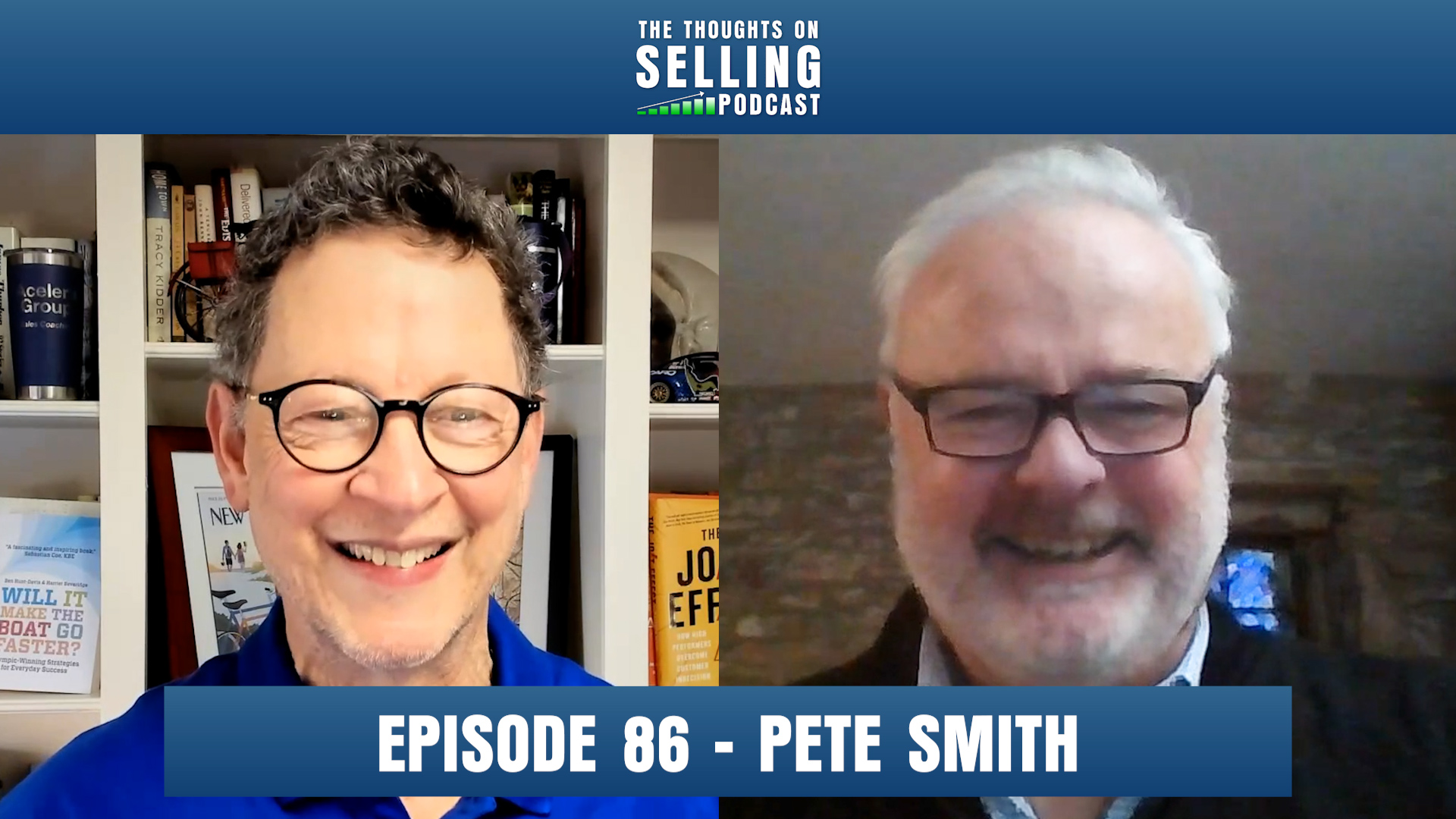
This blog post expands on the themes discussed in our latest podcast episode, Escape the Sales Treadmill! In that episode, I spoke with Pete Smith, a sales veteran and founder of SpotLogic, about the challenges of modern selling and the crucial role of discovery. We discussed how focusing on genuine understanding, rather than just ticking boxes, can lead to more meaningful and successful sales relationships. Listen to the episode for Pete's insights, and then dive into this post for a deeper exploration of the topic.
The Discovery Disconnect
Think about the last sales training you attended. How much emphasis was placed on discovery? Was it presented as a distinct stage in the sales process, neatly nestled between prospecting and presentation? Or was it presented as an ongoing commitment to understanding the customer's needs and challenges?
Too often, the former is the case. Discovery becomes a series of pre-scripted questions designed to elicit specific answers that can be used to shoehorn the product into the customer's world. This approach is fundamentally flawed. It treats the customer as a target, not a partner. It prioritizes the sale over the relationship. And, ultimately, it leads to missed opportunities and lost deals.
The disconnect arises from a misunderstanding of what discovery truly is. It's not about gathering data; it's about building understanding. It's about uncovering the unspoken needs, the hidden challenges, and the underlying motivations that drive the customer's behavior. It's about earning the right to be a trusted advisor, not just a salesperson.
The Sales Treadmill: Are We Just Entering Data?
Modern sales technology has promised to make sales professionals more efficient and effective. CRM systems, marketing automation platforms, and sales intelligence tools are designed to streamline the sales process and provide reps with the information they need to close deals faster. But in many cases, these tools have created a different problem: the sales treadmill.
Reps are spending more time entering data into systems than they are engaging with customers. They're chasing leads that are generated by algorithms, not by genuine interest. They're relying on canned presentations and pre-packaged solutions, rather than tailoring their approach to the specific needs of each customer.
The result is a transactional sales process that lacks depth and authenticity. Customers feel like they're being processed, not understood. And reps feel like they're cogs in a machine, not trusted advisors. This is not only detrimental to sales performance, but it also leads to burnout and disengagement among sales professionals.
As Pete Smith mentioned in our podcast episode, sales organizations are cranking up the speed and flooding reps with tools that demand data *entry* rather than providing data *insight*. This shift diminishes the importance of the discovery phase.
Pete's Origin Story: Building a 'Force Multiplier'
Pete Smith's journey to building SpotLogic is a testament to the importance of discovery in sales. As a seasoned sales professional, Pete recognized the challenges of managing complex deals and the need for a more effective way to understand customer needs.
He didn't set out to build a startup. He built SpotLogic for himself because he felt he needed a "force multiplier" to handle complex deals. He realized the immense cognitive load required to sell and built something to simply survive it. It was born out of a necessity to truly understand his clients' needs and to tailor his approach accordingly.
SpotLogic, in essence, became a tool that helped him prioritize discovery and build deeper relationships with his customers. It allowed him to ask the right questions, uncover hidden challenges, and present solutions that were truly aligned with their needs. The results were undeniable: he became twice as effective.
Pete's story highlights a crucial point: effective discovery is not just a skill, it's a mindset. It's about prioritizing understanding over closing, and building long-term relationships over short-term gains.
Crossing the 'Insider' Threshold: From Pitcher to Partner
In every sales interaction, there's a moment of truth – a point where the buyer decides whether you're just another salesperson pitching a product, or a trusted partner helping them solve a problem. Pete Smith calls this crossing the 'insider' threshold.
If you fail to cross this threshold, you're just "column fodder" – another vendor vying for their attention. Your product becomes a commodity, and the decision comes down to price and features. But if you succeed in crossing the threshold, you gain a significant advantage. You become an insider, someone who understands their business, their challenges, and their goals.
Crossing the 'insider' threshold requires a commitment to discovery. It requires asking insightful questions, actively listening to their responses, and demonstrating a genuine interest in their success. It requires building rapport, establishing trust, and positioning yourself as a valuable resource.
This is an important topic. Pete shared during our conversation that, "There is a moment in every deal where the buyer decides you are no longer an outsider pitching a product, but an insider helping them solve a problem. If you don't cross that threshold, you are just 'column fodder.'"
Discovery: Not a Phase, But a State of Mind
The biggest mistake sales teams make is treating discovery as a phase, a distinct stage in the sales process that ends once the initial assessment is complete. This approach is fundamentally flawed because it assumes that customer needs are static and unchanging.
In reality, customer needs evolve over time. New challenges emerge, priorities shift, and organizational dynamics change. Effective discovery is not a one-time event, but an ongoing process of learning and adaptation.
It's a state of mind that permeates every interaction with the customer, from the initial call to long after the contract is signed. It's about staying curious, asking questions, and actively listening to their feedback. It's about continuously seeking to understand their evolving needs and adapting your solutions accordingly.
Pete Smith and I agreed that treating discovery as a checkbox in the sales process is a death sentence. Discovery is a state of mind that starts before the first call and continues long after the contract is signed.
The Pajama Problem: Culture Shift in Sales
The shift from the suit-and-tie culture of traditional sales to the "socks are the new tie" reality of Zoom sales reflects a broader cultural shift in the business world. While the informality of virtual meetings can be liberating, it also presents new challenges.
One of the biggest challenges is maintaining professionalism and focus in a remote environment. It's easy to get distracted by emails, social media, or household chores. And it's tempting to relax your standards and show up to meetings in your pajamas (or at least dress from the waist up).
However, maintaining a professional demeanor is crucial for building trust and credibility with customers. It demonstrates respect for their time and signals that you take their business seriously. This doesn't mean you have to wear a suit and tie to every Zoom meeting, but it does mean being mindful of your appearance, your communication style, and your overall presentation.
As a funny anecdote, Pete recounted the time Sun Microsystems had to remind reps not to film internal enablement videos in their PJs! A good reminder of the change of pace in the professional world.
The Goldman Sachs Lesson: Understanding Organizational Risk
One of the most powerful lessons Pete Smith shared was about a deal he lost with Goldman Sachs, not because his product wasn't better (it was), but because the organizational risk of switching infrastructure was too high.
This story highlights the importance of understanding the buyer's ecosystem, not just their pain points. It's not enough to identify a problem and offer a solution. You also need to consider the broader implications of implementing your solution within their organization.
What are the potential risks and challenges? How will it impact their existing systems and processes? How will it affect their employees? Who are the key stakeholders, and what are their concerns?
By understanding the organizational risk, you can proactively address their concerns and mitigate potential challenges. You can position your solution as a strategic investment that aligns with their overall goals and minimizes disruption.
Memorable Quotes on Discovery
Throughout our conversation, Pete Smith shared several memorable quotes that capture the essence of effective discovery:
- "Customers buy from the reps who understand them best."
- "Discovery is the most important part of the job in complex sales... No, it IS the job."
- "I've got three critical meetings today. I prepared three hours for one of them. And I'm going to have to wing the other two." — Pete Smith (quoting his son on the reality of modern sales)
These quotes underscore the importance of prioritizing discovery and investing the time and effort necessary to truly understand your customers' needs.
Stop Winging It: Tools for Effective Discovery
In today's fast-paced sales environment, it's easy to fall into the trap of "winging it." Reps are often overbooked and underprepared, leading them to rely on gut instinct and generic presentations.
But winging it is a recipe for disaster. It leads to missed opportunities, misaligned solutions, and ultimately, lost deals. To be truly effective in discovery, you need to be prepared, organized, and equipped with the right tools.
SpotLogic, for example, helps reps reduce cognitive load and prep for meetings in minutes. It provides a structured framework for conducting discovery, asking the right questions, and capturing key insights. By using tools like SpotLogic, you can ensure that you're always prepared to have meaningful and productive conversations with your customers.
Conclusion: Re-Evaluating Discovery in Sales
The death of discovery is a real threat to sales success. By treating discovery as a mere checkbox, sales teams are missing out on opportunities to build meaningful relationships with customers, understand their evolving needs, and offer truly valuable solutions.
To thrive in today's competitive market, it's essential to re-evaluate your approach to discovery. Embrace a discovery-focused mindset that extends from the initial call to long after the contract is signed. Invest in tools and training that support effective discovery practices. And prioritize understanding over closing.
As discussed in our podcast episode, Escape the Sales Treadmill!, the key to escaping the sales treadmill is to focus on building genuine relationships with your customers. By understanding their needs, challenges, and goals, you can position yourself as a trusted advisor and create lasting value. Go listen to the episode with Pete Smith for more insights into sales effectiveness!