The Art of Becoming an 'Invisible' Manager
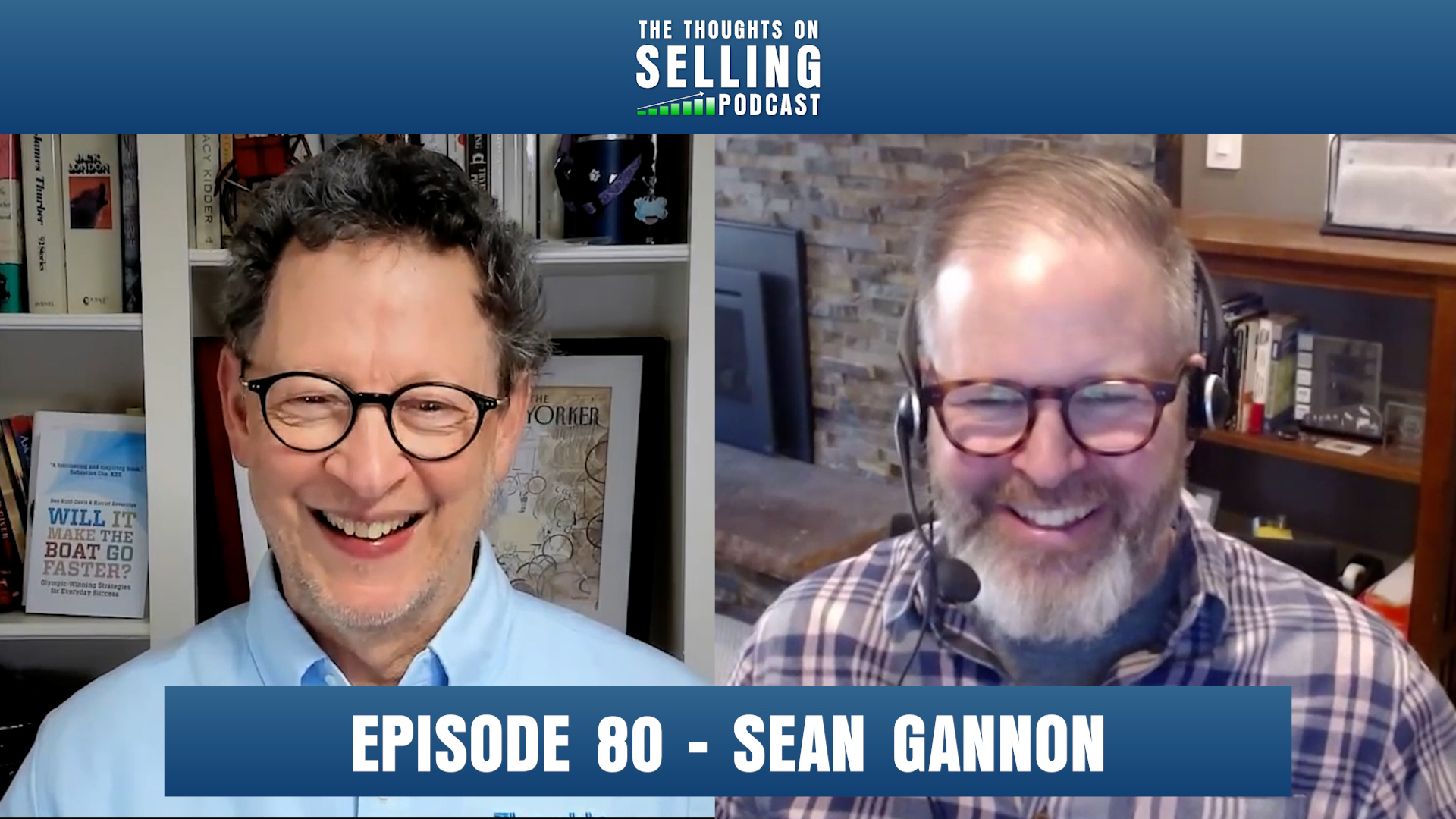
Welcome back to the blog, where we unpack the conversations we have on the podcast and dive deeper into the philosophies that shape our understanding of sales, leadership, and business growth. In our latest episode, episode 80, titled "The Invisible Manager: Scaling GTM & Knowing When to Stop Selling, with Sean Gannon," we had a truly enlightening discussion with Sean Gannon, founder of GTMPPL. Sean shared a perspective on management that, at first glance, might seem counterintuitive, even radical: the best managers strive to make themselves obsolete. This isn't about shirking responsibility or becoming lazy; it's about achieving a higher form of leadership, one that fosters true autonomy and sustainable success within a team. In this post, we'll explore Sean's 'invisible manager' philosophy, dissecting what it means in practice and why building a self-sufficient team is the ultimate hallmark of effective leadership.
Introducing the 'Invisible Manager' Philosophy
The concept of an 'invisible manager' might initially conjure images of a leader who is disengaged or absent. However, Sean Gannon's philosophy is precisely the opposite. It's about a manager who has so effectively built and empowered their team that their direct, hands-on intervention becomes less and less necessary. Think of it as a master gardener who has cultivated a thriving ecosystem where each plant supports the others, requiring minimal intervention to flourish. The gardener's skill is evident not in their constant presence, but in the robust health and self-sustaining nature of the garden itself. This is the essence of the 'invisible manager' – a leader whose success is measured by the team's ability to perform exceptionally well, even in their absence. Sean articulates this beautifully in the episode, stating, "I view my role as an executive or a sales manager... to make myself obsolete. Like, I should be relatively invisible as your manager." This isn't an admission of not caring; it's a declaration of confidence in the team and a commitment to their long-term development.
What Does it Mean to Be an 'Obsolete' Manager?
To be an 'obsolete' manager, in Sean's context, means that the systems, processes, and skills you have instilled in your team are so robust that they can operate at peak performance without constant oversight or direction. It signifies that you have successfully transferred knowledge, fostered critical thinking, and created an environment of accountability and self-motivation. An obsolete manager has done their job so well that the team no longer *needs* them to be the central point of problem-solving or decision-making. This doesn't mean the manager checks out; rather, their role shifts from day-to-day operational management to more strategic oversight, mentorship, and continuous improvement of the team's overall capabilities. It's about moving from being the 'bus driver' to being the 'architect' of the bus, ensuring it's well-designed and has a skilled crew to operate it.
This is a significant shift in perspective for many. We are often conditioned to believe that a manager's value is directly tied to their involvement in every aspect of the team's work. Sean challenges this by suggesting that the true measure of a manager's effectiveness is their ability to build a team that can thrive independently. If the team consistently falters without the manager's direct input, it suggests a dependency that is ultimately unsustainable and limits the team's potential for growth and scalability. The goal is to create a self-healing, self-improving unit, which is a far more powerful and enduring outcome than a team that relies on a single point of constant intervention.
The Pillars of a Self-Sufficient Team
What are the foundational elements that build such a self-sufficient team? Sean's insights point to several key pillars:
Clear Vision and Objectives
A team that understands the 'why' behind their work is far more likely to be self-directed. This means not just setting quotas, but communicating the overarching goals, the company's mission, and how each individual's contribution fits into the bigger picture. When team members grasp the strategic intent, they are better equipped to make independent decisions that align with those objectives.
Robust Training and Skill Development
Investing in comprehensive training is paramount. This goes beyond initial onboarding. It involves continuous skill development, equipping the team with the knowledge, tools, and techniques they need to excel. When individuals are confident in their abilities and possess a deep understanding of their craft, they require less hand-holding.
Empowered Decision-Making
Managers must delegate not just tasks, but also the authority to make decisions. This means trusting the team to make choices, even if those choices aren't always perfect. Learning from mistakes is a crucial part of growth, and an 'invisible manager' creates a safe space for this to happen. Empowerment fosters a sense of ownership and accountability.
Open Communication and Feedback Loops
While the manager aims to be invisible in day-to-day operations, their role in fostering open communication is vital. This includes creating channels for feedback, both upwards and downwards, and actively listening to the team's concerns and suggestions. This continuous dialogue ensures that issues are addressed proactively and that the team feels heard and valued.
Culture of Accountability
A self-sufficient team operates within a strong culture of accountability. This means individuals understand their responsibilities and are committed to meeting them. The manager sets the standard for accountability, but the team internalizes it, holding themselves and each other to high expectations. This is not about blame, but about collective responsibility for outcomes.
From Inspection to Coaching: Evolving Your Management Style
Sean Gannon spoke at length about his own evolution as a manager, moving from a style he characterized as "spreadsheet inspection" to one focused on true coaching. This is a critical distinction. Inspection-based management involves looking at data, identifying deviations from the plan, and often intervening to correct perceived errors. It's a reactive approach that can foster an environment of fear and micromanagement. The team may become hesitant to act, fearing they will be scrutinized for any misstep. Sean shared how this approach significantly impacted team retention. By shifting to a coaching model, he saw retention rates dramatically improve from 18 to 36 months.
Coaching, on the other hand, is a proactive, developmental approach. It's about asking the right questions, guiding individuals to find their own solutions, and helping them develop their skills and confidence. A coach doesn't just point out what's wrong; they help the coachee understand *why* it's wrong and how to improve. In sales, this means moving beyond looking at pipeline numbers and instead focusing on the skills and strategies that drive those numbers. It involves role-playing, analyzing calls, and providing constructive feedback that empowers the salesperson to learn and adapt. This shift from inspection to coaching is fundamental to building that self-sufficient team, as it cultivates independent problem-solvers rather than rule-followers.
The impact of this transition is profound. When managers invest in coaching, they are investing in the long-term capability of their team members. This not only leads to better performance but also higher job satisfaction and reduced employee turnover. People want to grow and feel valued, and a coaching-oriented manager provides the fertile ground for that growth. The 'invisible manager' is, in essence, a master coach who has equipped their team with the skills and confidence to navigate challenges independently.
The Universal Nature of Selling: Beyond the Quota
One of the most fascinating threads in our conversation with Sean was his assertion that "everyone is in sales." This might sound like a familiar platitude, but Sean digs deeper, emphasizing that selling is not solely the domain of those with a quota. Whether you are an SDR pitching an initial meeting, a Customer Success Manager retaining a client, or an engineer presenting a new feature to leadership, you are engaging in the act of persuasion. You are advocating for an idea, a product, or a service, and attempting to influence others to adopt it.
Sean highlights that the role of an SDR, for instance, is not to sell the entire company or the full solution, but rather to "sell the meeting." This is a brilliant reframing that simplifies the objective and makes it more achievable. By focusing on this singular, clear goal, SDRs can become more effective and less discouraged by the perceived enormity of closing a deal. This principle extends across all roles. The marketing team isn't just generating leads; they are selling the idea that their leads are qualified and valuable. The finance department is selling the viability of their budget requests. Understanding this universal nature of selling helps to break down silos and foster a more cohesive organizational approach to growth.
When everyone understands their role in the broader sales ecosystem, collaboration improves. Marketing becomes more invested in the success of the sales team, and sales develops a greater appreciation for the efforts of marketing. This shared understanding, driven by the realization that everyone is essentially engaged in persuasion, leads to a more aligned and effective go-to-market strategy. It shifts the focus from individual silos to a collective effort of driving value and achieving organizational goals.
Bridging the Gap: Sales and Marketing Alignment
The age-old friction between sales and marketing is often a result of misaligned objectives and a lack of mutual understanding. Sean Gannon tackles this directly, dismantling the "throw it over the wall" mentality where marketing delivers leads and sales is expected to close them, with little regard for the quality or context. He stresses that while marketing provides essential "air cover," they must also care about close rates, not just lead volume. This means marketing needs to understand the sales process and the types of leads that actually convert into revenue.
True alignment means marketing and sales work in tandem, sharing insights, feedback, and strategies. Marketing can provide valuable data on which campaigns are resonating, what messaging is most effective, and which customer profiles are most promising. Sales, in turn, can provide feedback on lead quality, customer objections, and market trends. When these two departments collaborate effectively, they create a powerful synergy that fuels revenue growth. The 'invisible manager' plays a crucial role in fostering this alignment, ensuring that communication lines are open and that both teams understand their interconnectedness in the revenue generation process.
This collaboration is not just about passing leads; it's about a shared commitment to the customer journey. Marketing sets the stage, attracting attention and building interest. Sales then engages, nurtures, and closes. The 'invisible manager' ensures that this transition is seamless, that the messaging is consistent, and that the customer experience is positive at every touchpoint. This holistic view is what distinguishes high-performing organizations from those that struggle with internal disconnects.
The Perils of Sticking to the Script: Authenticity in Sales
Sean shared a hilarious yet cautionary tale about a salesperson who kept rigidly sticking to a script, even when the customer was clearly ready to buy. This highlights a critical pitfall in sales: the danger of prioritizing process over personality and context. While frameworks like Sandler training are invaluable, blindly adhering to them without reading the room can be detrimental. The customer said "yes," but the salesperson continued to navigate through a pre-determined "pain funnel," effectively alienating the very person they were trying to help.
This emphasizes the importance of authenticity and adaptability in sales. A great salesperson, and by extension, a great sales leader, understands that relationships are built on genuine connection, not just transactional execution. Being able to say "I don't know" and then commit to finding the answer can build more rapport than feigning expertise. It demonstrates honesty and a commitment to providing the best possible solution. The 'invisible manager' fosters a sales culture that values genuine interaction and the ability to adapt to the unique needs of each prospect.
In today's market, buyers are more informed than ever. They can research products, compare options, and seek out reviews independently. This means that the human element of sales – empathy, understanding, and authentic connection – is more crucial than ever. Salespeople who can truly listen, empathize with a customer's challenges, and offer solutions that genuinely address those needs will always outperform those who simply recite a script. The 'invisible manager' cultivates this understanding by encouraging their teams to be present, attentive, and genuinely interested in the success of their clients.
Empowerment Over Intervention: Becoming the Leader Your Team Doesn't Need (in a good way)
Ultimately, the 'invisible manager' is a leader who has mastered the art of empowerment. They understand that their success is intricately linked to the success of their team. By fostering an environment where individuals feel trusted, capable, and supported, they create a team that can operate with autonomy and excellence. This isn't about abdicating responsibility; it's about strategically investing in the team's capabilities so that they can achieve higher levels of performance without constant oversight.
The goal is to build a revenue engine that scales, and that scaling requires a team that is self-sufficient and highly competent. The 'invisible manager' achieves this by focusing on developing their people, creating clear processes, and fostering a culture of accountability and continuous improvement. They are the architects of a high-performing system, ensuring that the team has the foundation and the skills to succeed, allowing the manager to step back and focus on strategic growth and future opportunities. It’s a testament to their leadership when the team functions seamlessly, exceeding expectations, and making the manager's direct intervention less and less necessary. This is not about being absent, but about being effective enough to empower others to be their best.
Actionable Takeaways for Aspiring 'Invisible' Managers
If Sean Gannon's philosophy resonates with you, here are some actionable steps you can take to move towards becoming a more 'invisible' and impactful leader:
- Focus on Coaching, Not Just Inspecting: Dedicate time to one-on-one coaching sessions. Instead of just reviewing reports, ask guiding questions, listen actively, and help your team members find their own solutions.
- Clearly Define Roles and Responsibilities: Ensure every team member understands their core functions and how their work contributes to the team's overall objectives.
- Delegate Authority, Not Just Tasks: Trust your team to make decisions within their scope of responsibility. Provide the necessary context and support, but allow them the autonomy to execute.
- Invest in Continuous Training and Development: Identify skill gaps and provide resources for your team to learn and grow. Encourage knowledge sharing within the team.
- Foster a Culture of Open Communication: Create a safe environment where feedback can be shared freely and constructively. Be receptive to ideas and concerns from your team.
- Celebrate Wins and Learn from Setbacks: Acknowledge successes to build confidence and use failures as learning opportunities, guiding your team through the analysis and improvement process.
- Measure Your Own Effectiveness by Team Autonomy: Regularly assess how well your team is performing independently. The less you need to intervene in day-to-day operations, the more successful you are in implementing this philosophy.
The journey to becoming an 'invisible' manager is a continuous one, focused on building capacity, fostering independence, and ultimately, creating a team that thrives on its own. It's about shifting from being the constant problem-solver to being the architect of a problem-solving machine.
This exploration into Sean Gannon's 'invisible manager' philosophy is a direct reflection of the powerful conversation we had in episode 80 of Thoughts on Selling. Sean’s insights challenge conventional management paradigms, pushing us to think about leadership not as constant intervention, but as strategic enablement. The goal is to cultivate a team so competent and self-sufficient that the manager’s direct involvement becomes a rarity, a sign of true success. We hope this blog post has provided a deeper understanding of this transformative approach and inspired you to consider how you can empower your own teams. Until next time, keep building, keep coaching, and keep aiming for that 'invisible' ideal!