The 82% Crisis: Why So Many Managers are 'Accidental'
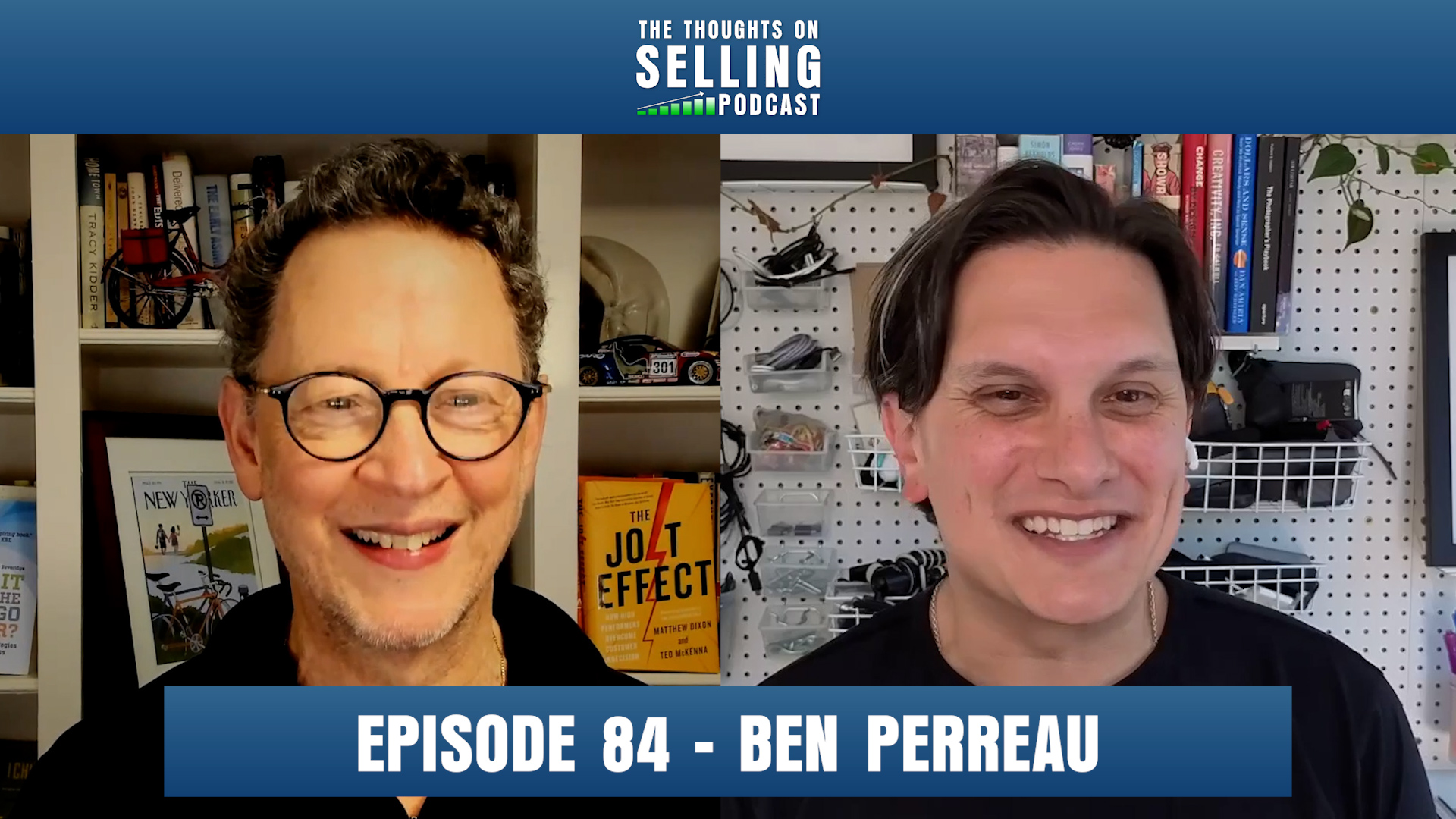
Welcome back to the blog, where we dive deeper into the conversations that shape our podcast episodes. In our latest installment, we tackled a pervasive problem plaguing organizations worldwide: the phenomenon of the 'accidental manager.' This isn't just a minor inconvenience; it's a full-blown crisis that leads to disengaged teams, high turnover, and ultimately, diminished business results. If you're a leader, a burgeoning manager, or part of an organization that promotes from within, this post is for you. We're going to explore why so many talented individual contributors are thrust into leadership roles without the necessary training and the profound impact this has. To get the full context and hear a firsthand account of this journey, be sure to listen to our related episode: 84. From Journalist to "Accidental Manager": Why New Leaders Fail (and How to Fix It) with Ben Perreau. Ben Perreau, our guest on the episode, brings a wealth of experience and insight into this critical issue.
The Staggering Statistic: Why 82% Feel Unprepared
Let's start with the headline-grabbing number: 82%. That's the percentage of early-career managers who, according to research and Ben's experience, consider themselves "accidental managers." This isn't a feeling of mild unease; it's a profound sense of being unprepared, overwhelmed, and out of their depth. Think about it: you're a star performer in your technical role. You excel at coding, selling, marketing, or whatever your discipline may be. You're the go-to person, the one who consistently delivers. Naturally, the next step in the career ladder seems to be management. It's a logical progression, right? Not necessarily. This is where the 'accidental' part comes in. The skills that make someone a fantastic individual contributor are rarely the same skills that make them a great leader. This disconnect is the root of the crisis.
Organizations often promote their best individual contributors with the best intentions. They want to reward their top talent and leverage their expertise. However, they fail to recognize that managing people requires a completely different skill set. It involves empathy, communication, delegation, conflict resolution, strategic thinking, and the ability to inspire and motivate others. Simply being good at your individual job doesn't automatically equip you with these leadership competencies. The result? You have managers who are technically brilliant but lack the soft skills to effectively lead a team. They might micromanage because they don't know how to delegate, struggle with giving feedback because they haven't been trained, or create a toxic environment because they can't manage conflict. This creates a ripple effect, impacting not only the manager's well-being but also the productivity, morale, and retention of their entire team.
From Individual Contributor to Leader: The Dangerous Leap
The transition from being an individual contributor to a manager is, as Ben Perreau eloquently puts it, "the most dangerous leap in a career." This leap is fraught with peril because the expectations and responsibilities shift dramatically. Suddenly, your success is no longer measured solely by your personal output, but by the collective output of your team. This requires a fundamental shift in mindset. You're no longer the star player executing the plays; you're the coach designing and orchestrating them. This is a difficult transition for many. They may miss the hands-on work, feel a loss of personal agency, or struggle with the inherent ambiguity of leadership. Furthermore, they are now responsible for the performance and development of other individuals, a responsibility that can feel immense and daunting, especially without adequate support.
This leap is made even more dangerous by the lack of preparation. Many new managers are simply thrown into the deep end with little to no training. They're expected to figure it out on their own, often learning through trial and error. And as Ben highlights, the cost of this error can be incredibly high, with a third of their teams leaving within a year. This isn't just about losing employees; it's about losing valuable talent, incurring significant recruitment and onboarding costs, and damaging the company's reputation. It's a cycle of failure that starts at the point of promotion and perpetuates itself if not addressed.
Theodore Roosevelt's 'Man in the Arena': A Metaphor for Leadership Transition
Ben Perreau draws a powerful parallel to Theodore Roosevelt's famous "Man in the Arena" speech. This speech, delivered at the Sorbonne in 1910, speaks to the courage of those who dare to step into the arena, to face challenges and strive for great achievements, rather than standing on the sidelines and critiquing from afar. For Ben, this speech became a defining metaphor for his own transition from a journalist observing the world to an entrepreneur shaping it. He explains that as a journalist, he was in a position of critique, analyzing and reporting on events. Moving into leadership, he had to step out of that observer role and into the arena of action, where he would be judged not just by his words, but by his deeds and the impact he had on others.
This metaphor is particularly relevant to the accidental manager. They are moving from a role where they might have been comfortable critiquing processes or output to a role where they are responsible for creating and executing those processes. They are stepping into the arena of people management, where they will face criticism, make mistakes, and be held accountable for outcomes. The courage to step into this arena, to embrace the vulnerability and the potential for failure, is the first step for any aspiring or newly appointed leader. However, simply having the courage isn't enough; they need the tools and support to thrive once they're in the arena.
Beyond Technical Skills: Leadership as a Craft (Photography Analogy)
Ben uses a brilliant analogy to illustrate the difference between individual contributor expertise and leadership skills: photography. He contrasts the "Auto Mode" of a camera with "Manual Mode." In "Auto Mode," the camera makes all the decisions, just like an individual contributor who relies on established processes and their own expertise to get the job done. They may produce good results, but they lack true control and understanding of the underlying mechanics. In "Manual Mode," the photographer has to understand aperture, shutter speed, ISO, and composition. They have to actively make choices to create the desired image. This is akin to a skilled leader.
A great leader, like a great photographer, needs to understand the technical aspects of their field, but their success ultimately hinges on their vision, their composition, and their ability to artfully combine various elements to create something impactful. They can't just rely on "Auto Mode" for their team's success. They need to master the craft of leadership, which involves understanding the individual strengths and weaknesses of their team members, orchestrating their efforts, and setting a clear vision. Simply being a technically proficient photographer doesn't make you a master; you need to learn to control the camera and compose your shots with intent. Similarly, being a technically proficient engineer or salesperson doesn't automatically make you a leader; you need to learn the craft of leading people.
The 'Emotional Meat Sack' Reality: Embracing Emotion in Professional Life
One of the most insightful and perhaps jarring points Ben raises is the concept of us being "emotional meat sacks." This is a provocative way of saying that, at our core, we are emotional beings. Despite our attempts to compartmentalize and professionalize, emotions are an intrinsic part of our human experience, and they inevitably spill over into our professional lives. Ben argues that trying to breed emotion out of work is a futile endeavor that leads to burnout and failure. Instead, effective leadership requires integrating our emotional selves with our professional selves.
Accidental managers often struggle with this. They may try to maintain a stoic, emotionless facade, fearing that showing any vulnerability or personal feeling will be perceived as weakness. This can lead to a disconnect, where they are unable to build genuine rapport with their teams, understand their team members' motivations, or navigate sensitive situations with empathy. True leadership involves acknowledging and embracing our emotional nature. It means understanding that your team members are also emotional beings, with their own hopes, fears, and anxieties. By fostering an environment where emotions can be expressed and understood in a healthy way, leaders can build trust, improve communication, and create a more supportive and productive workplace. This isn't about being overly emotional; it's about emotional intelligence and authentic connection.
The Solution: Parafoil's 'Listening Circles' and AI-Driven Support
Given the widespread nature of the accidental manager crisis, the question naturally arises: what can be done? Ben Perreau offers a compelling solution through his company, Parafoil, and its innovative approach to supporting new managers. One of the key offerings is the concept of "Listening Circles." These are designed to create safe, high-trust environments where managers can practice crucial skills like giving and receiving feedback, handling difficult conversations, and navigating complex team dynamics, all without the fear of judgment or real-world repercussions.
Imagine a space where you can role-play a challenging performance review or a tense team meeting, receive constructive feedback from peers who are also in similar situations, and experiment with different approaches. This is the essence of Parafoil's Listening Circles. They provide a low-stakes arena for managers to hone their skills before they have to tackle these situations in their actual teams. This is a game-changer because it acknowledges that leadership is a skill that needs to be practiced and developed, not just bestowed. The AI-driven support aspect of Parafoil further enhances this by providing personalized guidance and insights, helping managers identify areas for improvement and offering actionable strategies. This combination of peer support, safe practice, and intelligent guidance offers a powerful antidote to the accidental manager epidemic.
The Bottom Line: Supporting New Managers to Prevent Churn
The core message is clear: we are often promoting our best individual contributors into management and then leaving them to flounder. This is a recipe for disaster, leading to disengaged employees, high turnover, and significant costs for organizations. Ben's work with Parafoil underscores a critical truth: leadership is a craft that must be intentionally cultivated, not simply a title that is assigned. If organizations want to stem the tide of "accidental managers" and the costly churn they create, they must invest in providing their new leaders with the resources, training, and support they need to succeed.
This means moving beyond the traditional approach of assuming that a promotion to manager automatically equips someone with the necessary skills. It means recognizing the inherent challenges of leadership and proactively addressing them. It requires creating safe spaces for learning and development, fostering a culture of continuous improvement, and understanding that supporting managers is an investment in the long-term success of the entire organization. The 82% crisis is not an unsolvable problem, but it demands a shift in perspective and a commitment to providing new leaders with the scaffolding they need to build their leadership capabilities.
Call to Action: Addressing the Accidental Manager Crisis
Are you an "accidental manager" navigating the complexities of leadership without a clear roadmap? Or are you part of an organization that recognizes the talent within but struggles to equip them for managerial success? The time to act is now. The cost of inaction is too high. We encourage you to explore the innovative solutions being developed, like those offered by Parafoil, which are specifically designed to tackle this crisis head-on. Visit Parafoil.co to learn more about how they are transforming the way we support new managers and help them thrive. You can also connect with Ben Perreau on LinkedIn to continue the conversation and learn from his expertise. By investing in our managers, we invest in our teams, our culture, and the very future of our organizations. Don't let another talented individual contributor become an accidental manager; empower them to become the leaders they are meant to be.