From Azaleas to AI: Timeless Sales Lessons from a Plant Seller
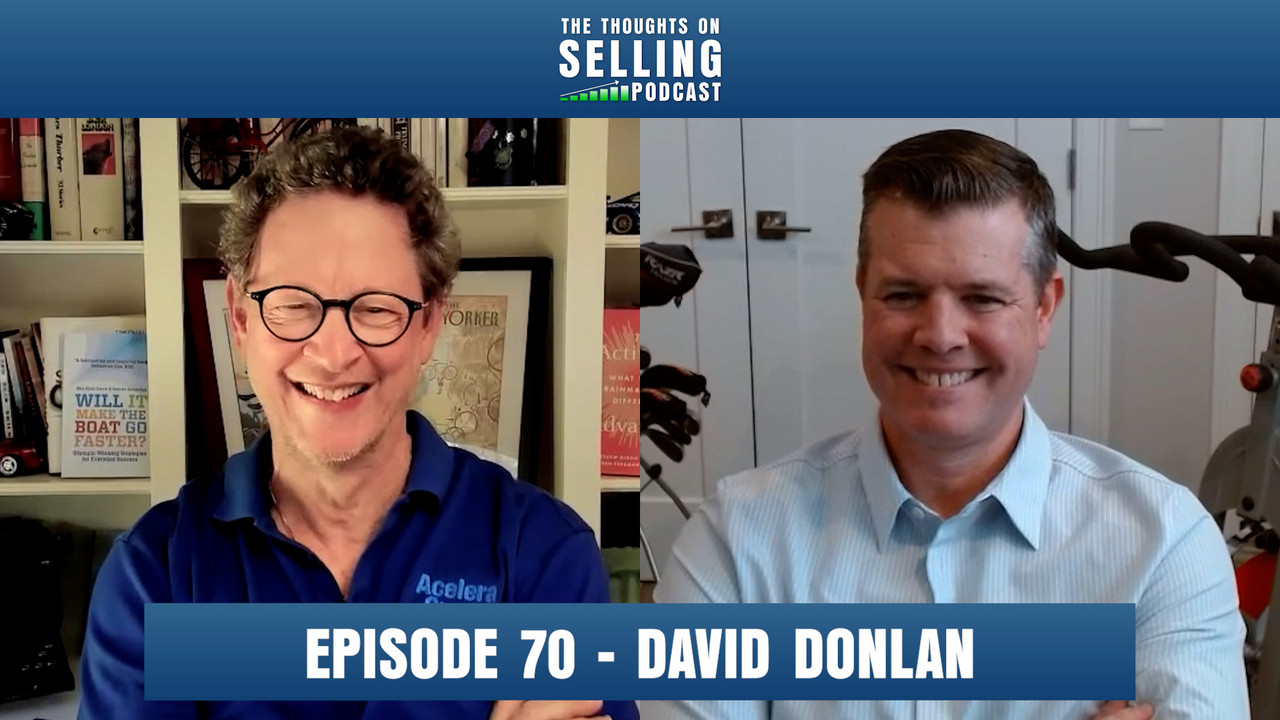
Welcome back to the blog, where we dive deeper into the conversations that spark our curiosity and provide actionable insights. In our latest episode, we had a truly illuminating chat with David Donlan, a seasoned sales leader with a fascinating perspective on what truly drives success in the world of sales. What struck me most about our conversation was how David, with all his experience leading sales teams at major tech companies and now driving innovation at IP Co-Pilot, consistently circles back to fundamental principles learned in his very first sales role: selling plants. It's a testament to the idea that the core tenets of selling are surprisingly timeless. This blog post aims to expand on those foundational lessons, exploring how the simple act of selling a potted bloom can offer profound insights into the complex world of modern B2B sales, even in the realm of patents and artificial intelligence.
If you haven't had a chance to listen to the episode yet, I highly recommend it. You can find it here: 70. What Selling Plants Can Teach You About Building World-Class Sales Teams. In that episode, David shares a wealth of wisdom, from his early days upselling azaleas with fertilizer at age 15 to his current role. We discussed the three core ways to sell – by product, by outcome, and by feeling – and how the most powerful sales often tap into that emotional connection. We also delved into leadership, hiring, and the importance of fostering a strong company culture. But today, we're going to prune back to the roots of his sales philosophy and explore how those early experiences shaped him into the incredible sales leader he is today.
From Azaleas to AI: The Core Principles of Selling
It might seem like a leap from a garden center to the cutting edge of patent technology or artificial intelligence, but David’s journey illustrates a powerful truth: the fundamentals of human connection and value proposition remain constant, regardless of the product or industry. He started his sales career at a young age, surrounded by greenery, learning by doing. These weren't abstract theoretical lessons; they were hands-on experiences that taught him the essence of understanding a customer, demonstrating value, and ultimately, closing a sale. These early interactions, seemingly simple, laid the groundwork for the sophisticated sales strategies he employs today. It’s about understanding people, their needs, and how your offering can genuinely improve their lives or businesses. This isn’t just about closing a transaction; it’s about building relationships and providing solutions. Even in the complex world of intellectual property and AI, the underlying human desire for solutions and value remains the same. The tools and the language may change, but the core motivations of the buyer do not.
Understanding Your Customer: Beyond the Surface-Level Need
One of the most critical lessons David gleaned from his days among the azaleas was the art of understanding the customer. When someone walked into the nursery, they might have said, "I need a flowering shrub." But David learned to look beyond that. Was the customer looking for something low-maintenance for a busy lifestyle? Did they have a particular aesthetic in mind for their garden? Were they trying to attract pollinators or create a specific mood? This required observation, active listening, and asking probing questions. He wasn't just selling a plant; he was selling a solution to a homeowner's desire for beauty, tranquility, or a vibrant outdoor space. This is precisely the skillset that translates to modern B2B sales. In tech sales, a client might say they need a new CRM system. But a truly skilled salesperson, like David, digs deeper. Why do they need a new CRM? Are they struggling with data silos? Is their current system hindering collaboration? Are they missing opportunities due to inefficient processes? The ability to uncover the true pain points and underlying motivations, rather than just addressing the stated need, is what differentiates a good salesperson from a great one. In the realm of AI and patents, understanding a client’s long-term vision, their competitive landscape, and their innovation pipeline is paramount. It’s not just about the technology itself, but how that technology can unlock new possibilities and solve complex, often unarticulated, challenges. This deep understanding fosters trust and allows for tailored solutions that truly resonate with the customer’s unique situation.
Think about it from the plant seller's perspective. A customer might point to a vibrant, blooming azalea and say, "That one's pretty." A novice might just agree and ring it up. But David, learning the ropes, would ask, "Do you have a spot with full sun or partial shade? What kind of soil do you have? Are you looking for something that blooms early or late in the season?" These questions weren't just filler; they were diagnostic tools. They helped David understand the environment the azalea would live in and the customer's expectations. If the customer's yard was constantly waterlogged, selling them a delicate, moisture-sensitive azalea would be a recipe for disaster and a deeply unhappy customer. Similarly, if they were looking for year-round color, an azalea that only bloomed for a few weeks might not be the best fit. He was essentially performing a needs analysis, just like a modern-day account executive would. He was identifying potential objections or challenges before they even arose and guiding the customer towards a solution that would bring them long-term satisfaction. This proactive approach builds credibility and demonstrates genuine care for the customer's success, which is a cornerstone of relationship-based selling in any industry.
Highlighting Value: Making Your Product Shine
Once David understood the customer's needs, the next crucial step was to highlight the value of the specific plant he was recommending. It wasn't enough to just point to a pretty flower. He had to articulate *why* this particular azalea was the best choice for *them*. Perhaps it was its exceptional disease resistance, meaning less work and fewer chemicals for the homeowner. Maybe it was its long blooming period, offering extended beauty and enjoyment. Or perhaps it was its compact growth habit, perfect for a smaller garden space. He learned to translate the features of the plant into tangible benefits for the customer. This is the essence of value selling. In the tech world, this translates to articulating the ROI of a software solution, the efficiency gains from a new process, or the competitive advantage offered by a cutting-edge technology. It’s about moving beyond the technical specifications and explaining how the product or service will make the customer’s life better, their business more profitable, or their goals easier to achieve.
Imagine David presenting two similar-looking azaleas. One is standard, reliable, and predictable. The other, perhaps a newer cultivar, has more vibrant colors, a unique fragrance, or a particularly hardy nature. A less experienced seller might just say, "This one's a bit more expensive." But David would have learned to say, "This particular variety, while it has a slightly higher upfront cost, offers a significantly longer blooming season, meaning you'll enjoy its vibrant colors for weeks longer each year. Additionally, it's been bred for superior drought tolerance, which will save you time and water in the long run. And its fragrance is truly captivating, adding a wonderful sensory experience to your garden." He's not just stating facts; he's painting a picture of the positive outcomes the customer will experience. He's quantifying the benefits where possible – "weeks longer," "save you time and water." This approach resonates because it speaks directly to the customer's desires and concerns. In the context of AI and patents, the value proposition can be even more impactful. For example, explaining how a new AI-driven patent analysis tool can shave months off the research phase, allowing a startup to bring its innovative product to market faster and secure a dominant market position, is a powerful articulation of value that goes far beyond mere features. It's about enabling the client's success and helping them achieve their most ambitious goals.
The Art of the Upsell: Cultivating Growth
The experienced plant seller knows that a single sale can often lead to more. This is the art of the upsell, a concept David mastered early on. When a customer bought an azalea, David wouldn't just send them on their way. He'd ask, "Have you thought about adding some companion plants that will complement its bloom color?" Or, "To help your new azalea thrive, especially during its first year, I highly recommend a good quality slow-release fertilizer. It will ensure it gets all the nutrients it needs to establish a strong root system and produce abundant flowers for years to come." He understood that the initial purchase was just the beginning of the customer's gardening journey, and he could offer additional products that would enhance their experience and ensure the success of their initial investment. This wasn't about being pushy; it was about being helpful and anticipating the customer's future needs.
This is a golden lesson for modern sales. The upsell isn't about badgering a customer into buying something they don't need. It's about identifying complementary products or services that will enhance the value they've already received and help them achieve even greater success. For a software company, it might be offering premium support, advanced analytics modules, or integration services to a customer who has just purchased their core platform. For a patent firm, it might involve offering ongoing monitoring services, international filing strategies, or portfolio management after securing a core patent. David’s ability to seamlessly integrate these suggestions stemmed from his genuine desire to see the customer’s garden flourish. This customer-centric approach to upselling builds loyalty and demonstrates that you are invested in their long-term success, not just a one-time transaction. It's about offering more value, not just selling more products. The fertilizer wasn't just an extra purchase; it was an investment in the health and longevity of the azalea, ensuring the customer’s initial purchase would bring them lasting satisfaction. This mindset is invaluable in any sales environment.
Timeless Lessons: Applying Plant-Selling Wisdom to Modern Tech
The parallels between selling a living organism like a plant and selling complex technological solutions like AI or patent services are surprisingly profound. In both scenarios, the salesperson must understand the "ecosystem" in which their offering will exist. For a plant, it's the soil, sunlight, water, and climate. For a tech solution, it's the client's existing infrastructure, their industry regulations, their competitive pressures, and their organizational culture. David’s early experiences instilled in him a holistic view of the sale, emphasizing that the product or service is just one part of a larger picture. The success of the plant depended on more than just the plant itself; it depended on the environment and the care it received. Similarly, the success of an AI solution or a patent strategy depends on its integration, adoption, and ongoing support within the client's business. This is where the principles of understanding the customer's environment, highlighting the ongoing value, and anticipating future needs become paramount. Even in the fast-paced world of technology, a foundation built on these enduring sales principles is what allows for sustainable growth and customer satisfaction.
The empathy developed from understanding a customer’s gardening aspirations translates directly to understanding a business’s strategic objectives. A plant seller can empathize with a homeowner’s desire for a beautiful, low-maintenance garden. A tech salesperson can empathize with a CEO’s desire for increased market share, streamlined operations, or a competitive edge. This empathy allows for genuine connection and builds trust, which is the bedrock of any successful sales relationship. David’s ability to connect with people on a human level, whether they were discussing petunias or patents, is a testament to this. He understood that beneath the technical jargon and the desire for a specific product, there were human needs and aspirations at play. This human-centric approach to sales, nurtured in the simple environment of a garden center, is what allows him to excel in the complex and often impersonal world of high-tech industries.
Leadership and Growth: Nurturing Talent
Beyond direct sales, David’s experience selling plants also provided him with invaluable insights into leadership and nurturing talent. Just as he had to guide customers to make the best choices for their gardens, he learned to guide and mentor junior salespeople. He understood that success wasn't just about individual performance; it was about fostering an environment where everyone could learn, grow, and contribute. This philosophy clearly carries over into his leadership roles today, where he emphasizes the importance of developing and empowering sales professionals. He sees the growth of his team members as a direct reflection of his own success as a leader. This focus on nurturing talent, on helping others reach their full potential, is a hallmark of effective leadership and a direct extension of the care and attention required to see a plant thrive. Just as a gardener selects the right plants for the right conditions and provides the necessary care to ensure their flourishing, David invests in his team, providing them with the tools, guidance, and support they need to succeed and grow within their careers.
The idea of "cultivating growth" isn't just a metaphor; it's a fundamental principle that underpins both successful gardening and successful sales teams. David's early experiences taught him patience, observation, and the understanding that growth takes time and the right conditions. He learned that you can't force a plant to grow faster than its natural pace, but you can create an environment that optimizes its growth potential. This translates directly to managing a sales team. You can't force a junior salesperson to become a top performer overnight, but you can provide them with structured training, ongoing coaching, a supportive culture, and clear performance expectations. You can help them identify their strengths, address their weaknesses, and celebrate their successes. This nurturing approach, honed by years of watching seedlings turn into flourishing plants, is what allows David to build world-class sales organizations. It’s about understanding the unique needs of each individual on the team and providing them with the tailored support they need to thrive.
Conclusion: The Enduring Power of Foundational Sales Skills
As we wrap up this exploration, it's clear that the lessons David Donlan learned from selling azaleas and other horticultural delights are far from trivial. They are, in fact, the bedrock upon which successful sales careers are built. Our latest episode, "What Selling Plants Can Teach You About Building World-Class Sales Teams," truly illuminated how these foundational principles – understanding customer needs, highlighting genuine value, and the art of the helpful upsell – are not just applicable but essential, even in the most advanced technological landscapes of AI and patent law. David’s journey from a garden center to leading innovative tech sales teams is a powerful testament to the enduring relevance of human-centric selling. These skills, cultivated in the simple act of helping someone find the perfect plant, are precisely what enable sales professionals to build lasting relationships, deliver exceptional value, and ultimately, drive sustainable success in any industry. The next time you're facing a complex sales challenge, remember the humble azalea – sometimes, the most profound lessons are found in the most unexpected places.