From Actor to Accidental Marketer: Jake Isham's Journey into Creative Sales
Introduction: The Unexpected Path to Sales Mastery
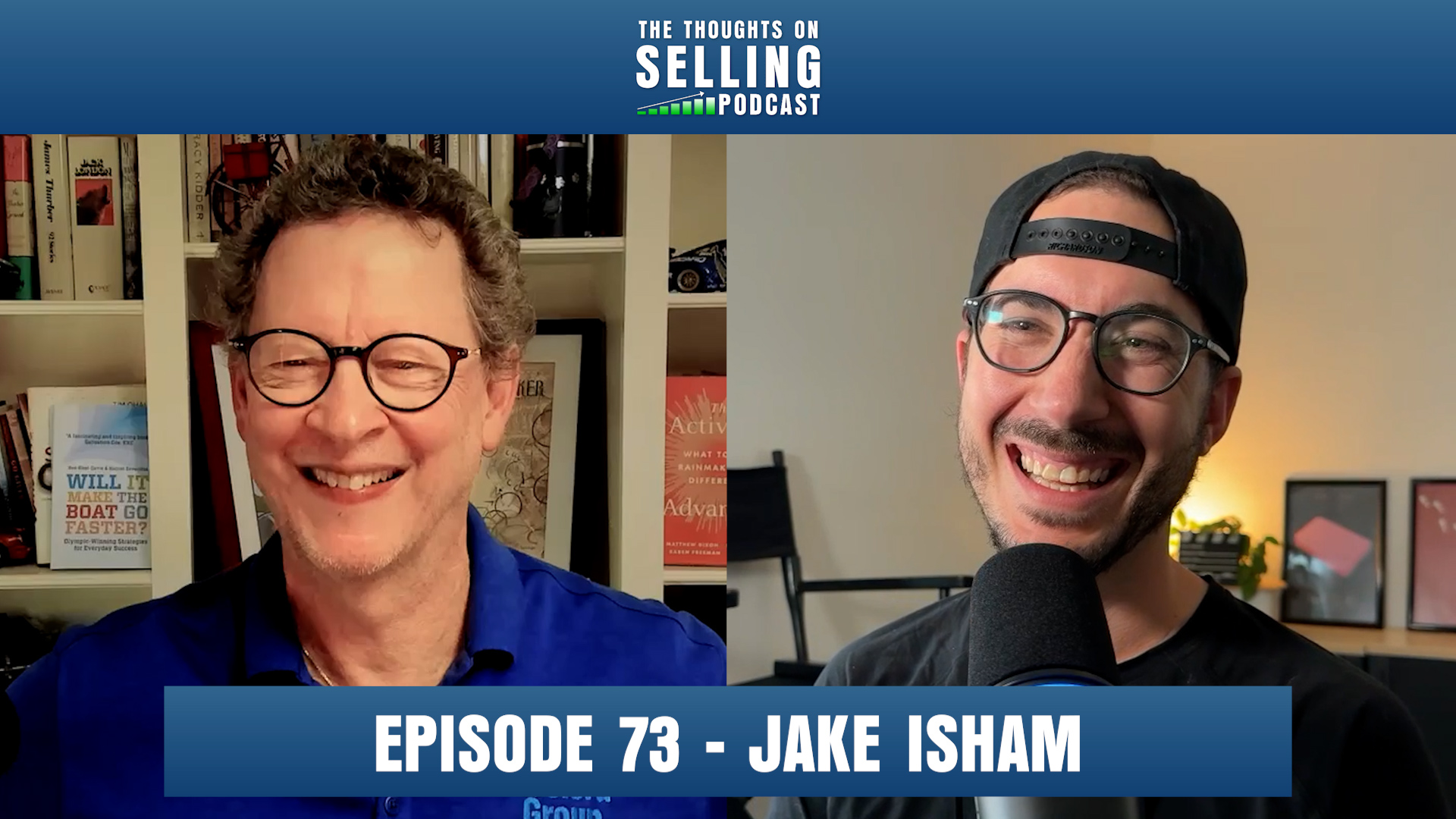
Welcome back to the blog, where we dive deeper into the fascinating conversations we have on the podcast. In our latest episode, "73. Selling as an Art Form: How Storytelling and Authenticity Drive Results", we had the absolute pleasure of speaking with Jake Isham, the founder of Creative Minds Agency. Jake's career trajectory is, to put it mildly, unconventional. He started out pursuing his passion for acting, moved into filmmaking, and through a series of organic, often serendipitous, steps, found himself at the helm of a successful marketing agency. This journey is a masterclass in how diverse experiences can converge to create a unique and highly effective approach to business, particularly in the realm of sales and marketing. This blog post is an extension of that conversation, exploring the threads that weave through Jake's story. We'll unpack how his background in the performing arts has profoundly influenced his understanding of human connection, persuasion, and the art of selling. We'll delve into his evolution from a creative individual to what he wryly calls an "accidental marketer," and uncover the fundamental principles that he believes elevate sales from a transactional exchange to a genuine art form. Prepare to discover how storytelling, authenticity, presence, and a deep understanding of your audience are not just buzzwords, but the cornerstones of impactful and sustainable sales success.
From Stage to Screen: How Acting Shaped Jake's Sales Approach
It might seem like a leap from reciting lines on a stage or performing in front of a camera to closing deals and crafting marketing strategies. However, for Jake Isham, the connection is incredibly strong. His years as an actor instilled in him a fundamental understanding of human psychology, emotional intelligence, and the power of connection. Acting is, at its core, about understanding a character, their motivations, their fears, and their desires, and then embodying that truth in a way that resonates with an audience. This process mirrors the most effective sales techniques. A great salesperson doesn't just present a product or service; they understand the needs, pain points, and aspirations of their potential client. They "get into character," so to speak, by deeply empathizing with the client's situation. Just as an actor learns to listen intently to their scene partners to deliver a believable performance, a salesperson must listen actively to their clients to truly understand what they're looking for. The subtle nuances of vocal inflection, body language, and emotional cues that an actor masters are equally vital for a salesperson to build rapport and trust. Furthermore, acting demands a certain level of vulnerability and authenticity. To connect with an audience, an actor must be willing to expose a range of emotions and truths. Similarly, in sales, clients are more likely to engage with and trust someone who is genuine and transparent, rather than someone who feels overly rehearsed or disingenuous. The stage taught Jake the importance of presence – being fully in the moment, aware of the environment and the people within it, and able to react authentically. This is a critical skill for any salesperson navigating the dynamic landscape of a client interaction. The ability to improvise, to pivot based on new information or unexpected questions, is also a direct carryover from the acting world, where scripts are often a starting point, not a rigid framework.
The 'Accidental Marketer': Unpacking Jake Isham's Creative Evolution
The term "accidental marketer" is not one of self-deprecation, but rather a reflection of Jake's organic journey. He didn't set out to become a marketing guru; his path was paved with creative pursuits. As a filmmaker and director, he was already deeply involved in understanding how to craft narratives, evoke emotions, and capture attention. He learned about visual storytelling, pacing, and the art of guiding an audience's experience. These skills are remarkably transferable to marketing. Marketing, at its best, is about telling a compelling story that resonates with a target audience. It's about creating an experience that connects on an emotional level. Jake's transition into marketing wasn't a deliberate choice to abandon his artistic roots, but rather a natural extension of his creative skillset. He realized that the principles he applied to filmmaking – understanding the audience, crafting a narrative, and creating impact – were precisely what businesses needed to thrive in a crowded marketplace. His evolution also involved a significant shift in perspective. Instead of being the sole creator of a piece of art, he became someone who helps others articulate their vision and connect with their ideal customers. This involved learning the business side of things – understanding strategy, analytics, and the practicalities of running an agency. But he never lost sight of the creative core. He approached marketing challenges with the same problem-solving mindset and artistic sensibility that he brought to his filmmaking endeavors. This blend of creative passion and business acumen is what defines his unique approach and has led to the success of Creative Minds Agency.
Sales as an Art Form: Storytelling, Authenticity, and Creating Impact
Jake's central thesis, and a core theme of our podcast episode, is that sales is an art form. This is a revolutionary concept for many, who still view sales through a purely transactional lens. But when you look at the greats – whether they're artists, musicians, or salespeople – they all share a common thread: the ability to create an effect, to evoke a feeling, and to leave a lasting impression. Storytelling is fundamental to this art form. Humans are hardwired for narrative. We understand the world and ourselves through stories. A compelling sales conversation is, in essence, a story being co-created with the client. It's about understanding the client's current situation (the problem), envisioning a better future (the solution), and illustrating how the product or service acts as the bridge between the two. This narrative arc, when delivered authentically, is far more persuasive than a dry list of features and benefits. Authenticity is the bedrock of this artistic approach. In a world saturated with noise and often superficial interactions, genuine connection is a powerful differentiator. Jake emphasizes that true selling comes from a place of genuine belief in what you're offering and a sincere desire to help the client. When you are authentic, you build trust. This trust allows for deeper conversations, more honest feedback, and ultimately, more meaningful and sustainable relationships. The goal isn't to "trick" someone into buying, but to genuinely help them achieve their goals. This shift in intention transforms the entire sales dynamic from a battle of wills to a collaborative partnership. The ultimate aim of this art form is to create impact. This impact isn't just about a sale; it's about the client feeling understood, empowered, and excited about the possibilities. It's about leaving them with a positive experience that extends beyond the transaction. Just as a great piece of art can move you, inspire you, or make you think, great sales interactions can transform a client's perspective and propel their business forward.
The Power of Presence: Why Listening and Adaptability are Key in Sales
The concept of "presence" is something that actors and performers understand intrinsically. It's about being fully engaged in the moment, aware of your surroundings, and able to respond authentically. This is precisely what makes for exceptional salespeople. In a sales conversation, presence means more than just being physically present; it means being mentally and emotionally engaged with the client. This engagement manifests as active listening. It's not about waiting for your turn to speak, but about truly hearing what the other person is saying, both verbally and non-verbally. It's about picking up on their cues, their hesitations, their enthusiasms, and tailoring your responses accordingly. This is where the improvisational skills honed by actors come into play. The ability to adapt your approach in real-time, based on the flow of the conversation and the client's reactions, is crucial. No two sales conversations are ever exactly the same, and the best salespeople are those who can navigate these unique landscapes with grace and effectiveness. Jake often refers to the philosophy of "be interested, not interesting." This is a direct reflection of the actor's need to focus on the character they are portraying, rather than their own performance. In sales, this translates to shifting the spotlight from yourself to the client. When you are genuinely interested in their business, their challenges, and their aspirations, you create an environment where they feel valued and understood. This genuine curiosity disarms, builds rapport, and opens the door for deeper, more productive conversations. It's about asking insightful questions, listening attentively to the answers, and demonstrating that your primary goal is to understand and assist them.
Shifting the Spotlight: The 'Be Interested, Not Interesting' Philosophy
This core principle, "be interested, not interesting," is a game-changer in sales and marketing. It's the antithesis of the often-perceived salesperson who is eager to talk about themselves, their product, and their company's achievements. Instead, it's about cultivating a mindset of genuine curiosity about the other person. Imagine walking into a room at a party. If you spend the entire time talking about yourself, people will politely listen, but they won't necessarily connect with you. However, if you ask thoughtful questions, actively listen to the answers, and show genuine interest in others, you'll find yourself having more engaging and meaningful conversations. This is precisely how effective sales work. Instead of launching into a prepared monologue about your offering, you start by asking questions that uncover the client's needs, challenges, and goals. You are interested in their world. You want to understand their pain points and their aspirations. By doing so, you demonstrate that you are not just trying to sell them something, but that you are genuinely invested in helping them succeed. This shift in focus is powerful because it immediately builds trust and rapport. It shows respect for the client's time and intelligence. When you are truly interested, you become a better listener. You're not just waiting for a pause to insert your pre-planned talking points. You're actively processing what the client is saying, looking for opportunities to delve deeper, to offer relevant insights, or to steer the conversation towards solutions that genuinely address their specific situation. This approach is not only more ethical and effective but also far more enjoyable for both parties involved. It transforms sales from a potential adversarial encounter into a collaborative exploration of possibilities.
Mastery Through Repetition: The Artist's Approach to Sales Skill Development
Jake's background in the arts also informs his understanding of how mastery is achieved. Think about a musician practicing scales, a dancer rehearsing choreography, or an actor running lines. The pursuit of excellence in any art form requires consistent, dedicated practice. The same applies to sales. Jake champions the idea that salespeople, like artists, become better through repetition and reflection, not just through theoretical knowledge. This means actively engaging in sales activities, reflecting on what worked and what didn't, and continuously refining your approach. It’s about doing the work, day in and day out, and learning from each interaction. This could involve role-playing sales scenarios, analyzing recordings of your own sales calls, or seeking feedback from mentors and peers. The key is to embrace the process of learning and improvement, understanding that setbacks are not failures but opportunities for growth. This artistic approach to skill development also emphasizes the importance of deep practice. This isn't just about going through the motions; it's about deliberate practice focused on improving specific areas. For a salesperson, this might mean dedicating time to mastering objection handling, refining their discovery questioning techniques, or practicing their closing statements. Just as an artist meticulously hones their craft, a salesperson must commit to the continuous development of their skills. This dedication to repetition and reflection is what separates good salespeople from truly exceptional ones, allowing them to build a robust toolkit of strategies and techniques that can be applied to a wide range of situations.
Authenticity Over Polish: Connecting with Customers Genuinely
In today's hyper-connected world, consumers are increasingly savvy. They can spot a disingenuous pitch from a mile away. This is why Jake advocates for authenticity over polish. While professionalism is important, an overly polished, script-driven approach can often feel inauthentic and create distance. People connect with people, and they connect with genuine emotion and relatable experiences. When you lead with your true self, with your passion for what you do and your genuine belief in the value you provide, you create a much stronger connection. This doesn't mean being unprofessional or sloppy; it means being human. It means sharing your story, your "why," and allowing your personality to shine through. This approach fosters trust because it signals transparency and honesty. Customers are more likely to feel comfortable and confident with someone they perceive as real and relatable. This authenticity extends to how you communicate about your product or service. Instead of relying on generic marketing jargon, speak in a way that reflects your genuine understanding and enthusiasm. Share your own experiences, or stories of how your offering has made a real difference for others. This is where storytelling truly comes into its own. When you can weave authentic narratives that highlight the human element and the tangible impact of your solution, you create a far more compelling and memorable message. It's about being a trusted advisor, not just a vendor.
Building Leverage: The Impact of Personal Branding in the Creative Economy
In the modern "creative economy," personal branding has become an indispensable tool. For individuals and businesses alike, a strong personal brand acts as a powerful form of leverage. Jake emphasizes that documenting your journey and sharing your expertise publicly builds trust and visibility that can outlast any single deal or campaign. Think of it this way: when you consistently share valuable content, insights, and your unique perspective, you're not just marketing a product; you're building a reputation. You're establishing yourself as an authority in your field. This makes it easier to attract clients, partners, and opportunities. People want to work with individuals and companies they know, like, and trust, and a strong personal brand cultivates all three. This also means shifting away from the idea of a "hard sell." When your personal brand is strong, people are already predisposed to believe in what you offer. They've seen your expertise, your passion, and your authenticity in action. This allows for more organic conversations and a smoother sales process. It's about building a community of followers and advocates who resonate with your message and are eager to engage with your offerings. In essence, your personal brand becomes a magnet, drawing in the right people and creating opportunities that might otherwise be inaccessible.
The Right Audience: Focusing on Value Over Viral Reach
In the age of social media, the allure of "going viral" can be powerful. However, Jake offers a crucial perspective: the right audience is far more valuable than a massive, undifferentiated audience. chasing viral reach can often lead to superficial engagement and a disconnected customer base. Instead, the focus should be on attracting and serving the audience that truly benefits from your offering and aligns with your values. This means understanding who your ideal customer is, where they spend their time, and what their specific needs are. It's about creating content and engaging in conversations that are relevant and valuable to this specific group. When you consistently deliver value to the right audience, you build loyalty, advocacy, and a sustainable business. This approach is far more strategic and ultimately more rewarding than simply aiming for a large number of views or followers. A smaller, highly engaged audience that trusts your expertise and believes in your mission is far more likely to become repeat customers, refer new business, and become true brand champions. It’s about quality over quantity, and impact over mere visibility. This focus ensures that your marketing and sales efforts are not only efficient but also contribute to the long-term health and growth of your business.
Conclusion: Blending Craft and Commerce for Lasting Success
Jake Isham's journey from actor to creative entrepreneur is a powerful testament to the idea that success in sales and marketing doesn't require a traditional business degree or a ruthless sales mentality. Instead, it thrives on the principles of artistry: understanding human nature, crafting compelling narratives, fostering genuine connections, and committing to continuous improvement. As we explored in this blog post, and as we delved into even further in our podcast episode "73. Selling as an Art Form: How Storytelling and Authenticity Drive Results", Jake’s background in filmmaking and acting has equipped him with a unique toolkit for navigating the complexities of the modern business landscape. His philosophy of "sales as an art form" encourages us to view every interaction as an opportunity to create impact, to build trust, and to genuinely help others. By embracing authenticity, focusing on being "interested, not interesting," and understanding that mastery comes through repetition, we can transform our approach to sales and marketing from a transactional chore into a fulfilling and effective craft. The emphasis on personal branding and targeting the right audience further underscores the strategic wisdom behind Jake's creative approach. Ultimately, it’s the seamless blend of craft and commerce, of artistic principles with business acumen, that paves the way for lasting success. We hope this deep dive has inspired you to think differently about sales and to consider the artist within you.