Beyond Training: Why Sales Enablement is a Process, Not an Event
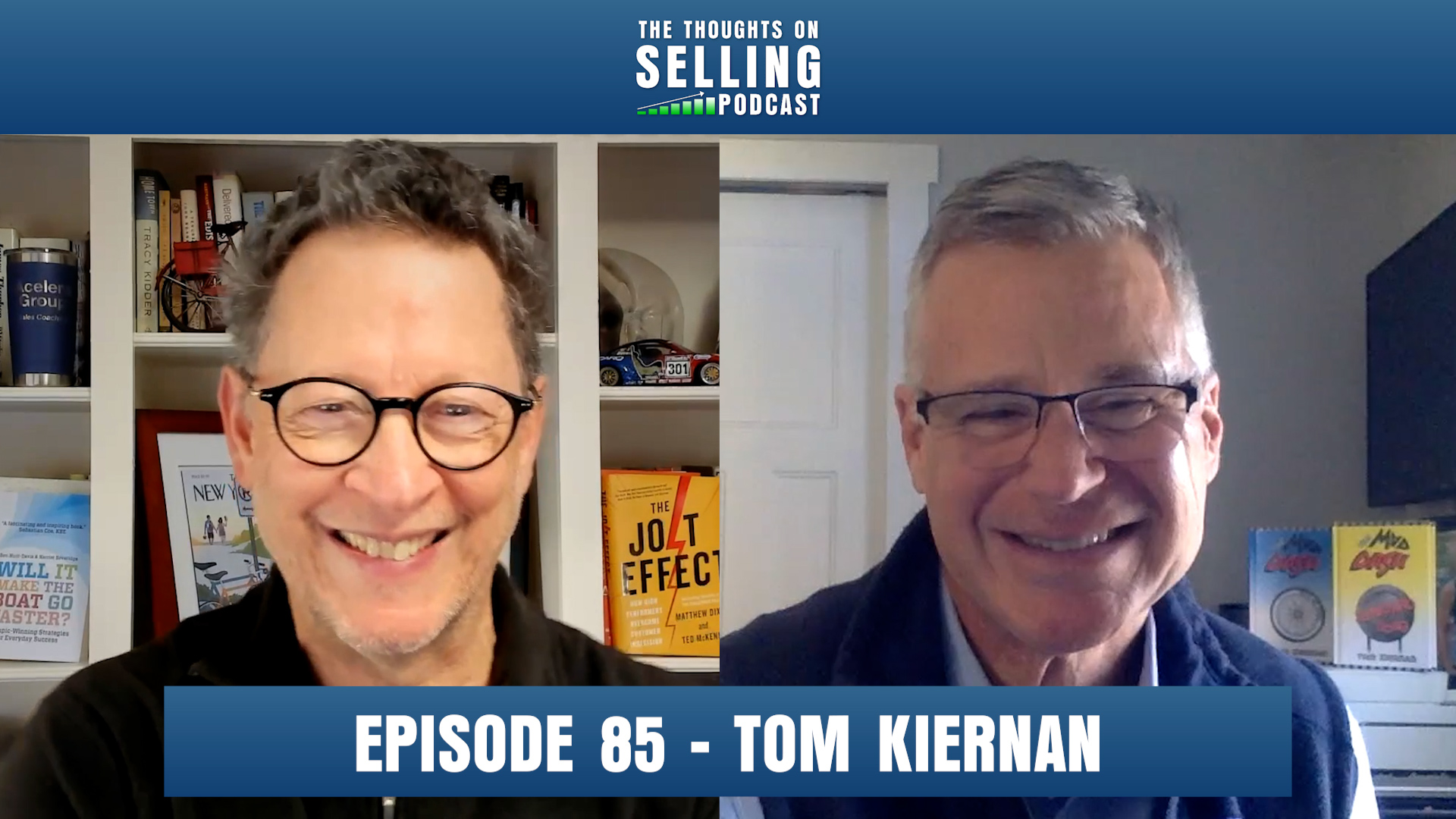
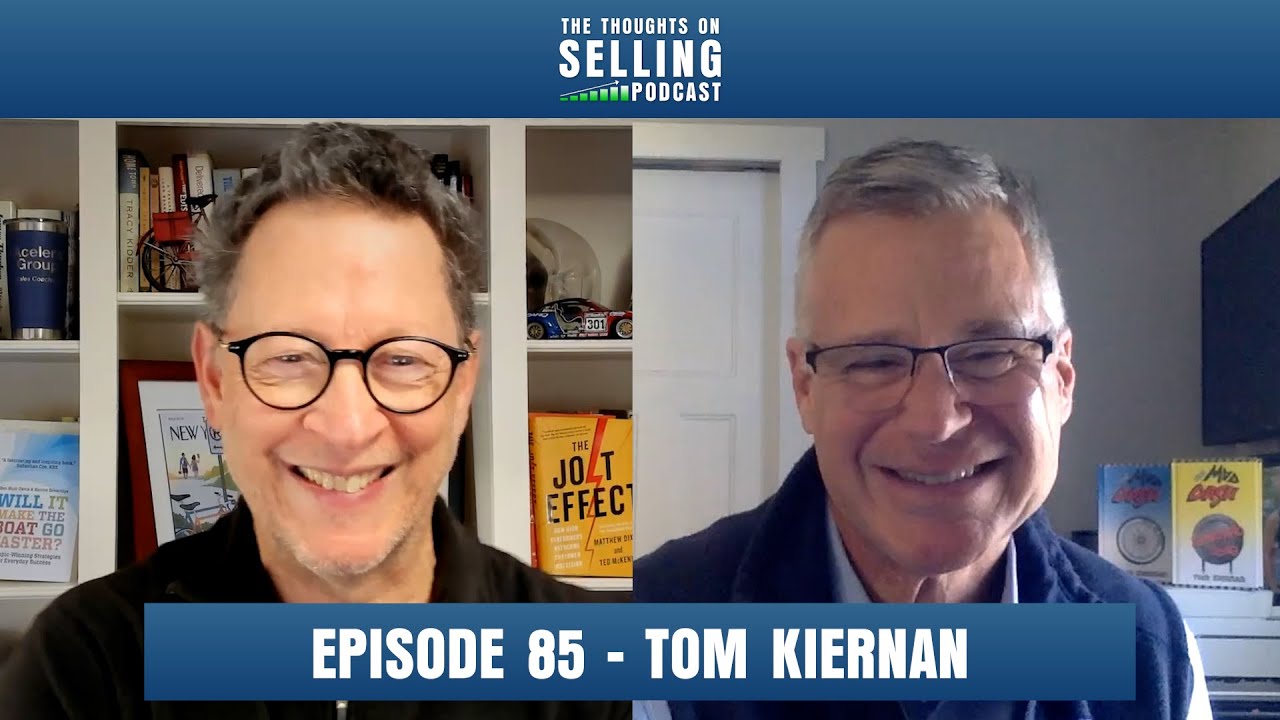
In today's fast-paced sales environment, the difference between success and stagnation often hinges on how effectively organizations empower their sales teams. For too long, the focus has been on 'training'—a one-off event designed to impart knowledge. However, as we explore in this blog post, true sales enablement is far more than just training; it's a continuous process, a philosophy deeply ingrained in the very fabric of successful sales organizations. Join us as we delve into the critical distinction between training and enablement, drawing parallels with renowned process-driven methodologies like the 'Toyota Way' and unveiling how a shift in perspective can unlock unprecedented sales performance. This blog post expands on the themes we covered in our latest podcast episode, 85. Training versus Enabling: The Reticular Activator, The "T-Word" and Lumpy Bones with Tom Kiernan, where we had the pleasure of speaking with Tom Kiernan, a seasoned sales enablement veteran. Let's dive in!
The Problem with 'Training' - Why It's Just an Event
The word "training" often conjures images of a classroom, a PowerPoint presentation, and a flurry of information delivered over a day or two. While such sessions can be valuable for introducing new concepts or products, they frequently fall short of truly enabling salespeople to perform at their best consistently. The core problem lies in the episodic nature of training. It's a discrete event, not an ongoing journey of improvement. Think of it as filling a bucket with water, only to watch it slowly leak out over time. Without consistent reinforcement, practice, and application, the knowledge gained during training fades, and old habits resurface.
Moreover, traditional training often focuses on product features, sales techniques, and company processes. While this knowledge is important, it rarely addresses the deeper issues that hinder sales performance, such as mindset, communication skills, and the ability to connect with customers on a human level. Training tends to be a top-down, one-size-fits-all approach, neglecting the individual needs and learning styles of each salesperson.
Another critical flaw in the 'training' mindset is the lack of emphasis on application and practice. Salespeople are expected to absorb a wealth of information and immediately translate it into improved performance. However, without opportunities to practice new skills in a safe environment, receive feedback, and refine their approach, the impact of training is often minimal. It’s like teaching someone how to ride a bike without ever letting them get on one – the knowledge is there, but the practical application is missing.
Enablement as a Process: Lessons from the 'Toyota Way'
So, what is the alternative? The answer lies in viewing sales enablement as a continuous process, not a one-off event. Drawing inspiration from methodologies like the 'Toyota Way,' we can create a culture of continuous improvement within our sales organizations. The 'Toyota Way' emphasizes a systematic approach to problem-solving, process optimization, and employee empowerment. It's built on the principles of continuous improvement (Kaizen), respect for people, and a deep understanding of the value stream.
In the context of sales enablement, this translates into creating a structured, ongoing program that supports salespeople at every stage of the sales cycle. This includes providing access to relevant resources, tools, and information; coaching and mentoring opportunities; and ongoing feedback and performance evaluation. Enablement should be tailored to the individual needs of each salesperson, taking into account their experience level, strengths, and areas for improvement. It should also be aligned with the overall business goals and objectives, ensuring that sales efforts are focused on the most impactful activities.
One of the key principles of the 'Toyota Way' is the concept of 'Genchi Genbutsu,' which means 'go and see for yourself.' In sales enablement, this means spending time in the field with salespeople, observing their interactions with customers, and understanding the challenges they face on a daily basis. This firsthand knowledge is invaluable for designing effective enablement programs that address real-world needs. Another vital element of the 'Toyota Way' is standardization and continuous improvement. By establishing standardized sales processes, organizations can create a baseline for performance measurement and identify areas for optimization. Regular reviews and feedback sessions provide opportunities to refine these processes and ensure that they are aligned with best practices.
The Reticular Activating System (RAS) and 'Other Centered Selling'
Our conversation with Tom Kiernan in the podcast episode brought up the fascinating concept of the Reticular Activating System (RAS). The RAS is a network of neurons located in the brainstem that filters incoming sensory information and determines what gets our attention. It's like a gatekeeper, allowing important information to pass through while blocking out irrelevant stimuli. Think about a time when you heard your name called out in a crowded room. That’s your RAS in action.
How does this relate to sales? In today's noisy marketplace, buyers are bombarded with information and sales pitches. To cut through the clutter and capture their attention, salespeople need to trigger their RAS. One effective way to do this is through 'Other Centered Selling.' This approach focuses on understanding the buyer's needs, challenges, and goals and tailoring the sales message accordingly. When you talk about the buyer's problems and how you can help them solve them, you're more likely to trigger their RAS and get their attention. This is because the information is relevant and valuable to them.
In contrast, product-centric sales pitches that focus on features and benefits are often ignored because they don't resonate with the buyer's immediate concerns. 'Other Centered Selling' requires salespeople to be active listeners, empathetic communicators, and problem-solvers. It's about building trust and credibility by demonstrating a genuine interest in the buyer's success. This approach not only helps to capture the buyer's attention but also fosters a stronger relationship that can lead to long-term loyalty. To enable 'Other Centered Selling,' sales enablement programs should focus on developing salespeople's listening skills, questioning techniques, and ability to understand and articulate the buyer's perspective. This can be achieved through role-playing exercises, case studies, and coaching sessions that emphasize empathy and active listening.
Shifting the Focus: The Purpose of Selling is Helping Customers Buy
A fundamental shift in mindset is required to truly embrace sales enablement as a process. We need to move away from the traditional view of selling as a persuasive activity and towards a model where the primary purpose is to help customers buy. This means focusing on understanding their needs, providing valuable information, and guiding them through the decision-making process.
When salespeople adopt this 'customer-centric' approach, they become trusted advisors rather than pushy salespeople. They build relationships based on trust and mutual respect, which leads to increased sales and customer loyalty. To enable this shift in mindset, sales enablement programs should emphasize the importance of customer service, empathy, and ethical selling practices. Salespeople should be trained to view themselves as problem-solvers and consultants, rather than product pushers. This requires a deep understanding of the customer's business, their challenges, and their goals.
Sales enablement can also play a crucial role in providing salespeople with the resources and tools they need to effectively help customers buy. This includes access to market research, competitive intelligence, and customer testimonials. By empowering salespeople with this information, they can have more informed conversations with customers and provide them with tailored solutions. Furthermore, sales enablement can facilitate collaboration between sales and other departments, such as marketing and customer service. This ensures that customers receive a consistent and seamless experience across all touchpoints.
The Practice Deficit in Sales: Why Practice Matters
One of the most striking observations made in our podcast episode with Tom Kiernan was the 'practice deficit' in sales. Professional athletes and performers spend countless hours practicing their skills to achieve peak performance. Yet, in the corporate world, sales teams often receive minimal practice opportunities, and are thrust directly into real-world sales situations. This lack of practice is a significant barrier to sales effectiveness.
Imagine an NFL quarterback who only practices once a week and spends the rest of his time playing games. His performance would likely suffer significantly. Similarly, salespeople who don't have regular opportunities to practice their skills are less likely to perform at their best. Sales enablement programs should incorporate regular practice sessions, role-playing exercises, and simulations to help salespeople hone their skills in a safe and supportive environment. These practice sessions should be tailored to the specific needs of the sales team and should focus on the most critical sales skills, such as objection handling, negotiation, and closing. Feedback should be provided regularly to help salespeople identify areas for improvement and refine their approach.
Furthermore, practice should not be limited to individual skills. Sales teams should also practice collaborating on complex sales deals, developing sales strategies, and presenting to key stakeholders. This will help to improve their teamwork and communication skills and ensure that they are aligned on their goals and objectives. By creating a culture of continuous practice, sales organizations can help their salespeople develop the skills and confidence they need to succeed in today's competitive marketplace. If you don’t have a process to practice, then you don’t have anything to practice. As Lee mentions in the podcast, defining the process is critical before implementing any practice.
The Transparency of Motive: Why Genuine Help Wins Over Commission Breath
Customers are incredibly adept at detecting insincerity and self-serving motives. As Tom Kiernan aptly put it, if you're only in it for the commission, it's written on a "yellow sticky note on your forehead." This 'commission breath' can be a major deterrent to building trust and closing deals. In contrast, when salespeople demonstrate a genuine desire to help customers solve their problems and achieve their goals, they are far more likely to earn their trust and loyalty.
This requires a shift in focus from selling products to providing solutions. Salespeople should be trained to listen actively to customers, understand their needs, and offer tailored solutions that address their specific challenges. They should also be transparent about their motives and be willing to put the customer's interests first. This doesn't mean that salespeople should avoid discussing pricing or closing deals. However, it does mean that they should approach these topics with honesty and integrity, always keeping the customer's best interests in mind.
Sales enablement can play a vital role in fostering a culture of genuine help and customer-centricity. By providing salespeople with the tools, resources, and training they need to effectively help customers, sales organizations can empower them to build trust and close more deals. This includes providing access to customer data, market research, and competitive intelligence. It also includes training salespeople on active listening skills, empathy, and ethical selling practices. By prioritizing the customer's needs above all else, sales organizations can create a sustainable competitive advantage and build long-term customer relationships.
Spotlight on Lumpy Bones: Tom Kiernan's 'Books as a Service' Initiative
Our conversation with Tom Kiernan also touched on his passion project, 'Lumpy Bones,' a 'Books as a Service' non-profit organization that provides inspiring children's books to classrooms for free through corporate sponsorship. This initiative reflects Tom's commitment to making a positive impact on the world and highlights the importance of giving back to the community. 'Lumpy Bones' aims to help children cope with difficult topics like cancer through humor and adventure. The books are designed to be engaging and educational, providing children with valuable life lessons and inspiring them to overcome challenges.
This project underscores the broader point that sales is not just about making money; it's about making a difference. When salespeople are motivated by a sense of purpose and a desire to help others, they are more likely to be successful and fulfilled. Sales enablement programs can play a role in fostering this sense of purpose by highlighting the positive impact that sales can have on customers and the community. By encouraging salespeople to get involved in charitable activities and to give back to the community, sales organizations can create a more engaged and motivated workforce.
You can learn more and support this great cause by visiting LumpyBones.com
Key Takeaways: Building Capabilities, Not Just Imparting Knowledge
In summary, the key takeaway from this discussion is that sales enablement is not just about imparting knowledge; it's about building capabilities. It's about creating a continuous process of improvement that empowers salespeople to perform at their best consistently. This requires a shift in mindset from training to enablement, a focus on 'Other Centered Selling,' and a commitment to providing salespeople with the tools, resources, and training they need to succeed. Sales enablement should be tailored to the individual needs of each salesperson and should be aligned with the overall business goals and objectives. It should also incorporate regular practice sessions, feedback opportunities, and coaching to help salespeople hone their skills and build their confidence. By embracing sales enablement as a continuous process, organizations can create a culture of excellence and drive sustainable sales growth.
Call to Action: Connect, Explore, and Subscribe
We hope this exploration of sales enablement as a continuous process has provided valuable insights and actionable strategies for improving your sales performance. Remember, sales enablement is not just about training; it's about building capabilities and creating a culture of continuous improvement.
If you found this blog post helpful, we encourage you to:
- Connect with Tom: Find Tom Kiernan on LinkedIn and continue the conversation.
- Explore Lumpy Bones: Visit LumpyBones.com to learn more about Tom's inspiring 'Books as a Service' initiative and how you can support it.
- Listen to the Episode: For a deeper dive into these topics, be sure to check out our podcast episode 85. Training versus Enabling: The Reticular Activator, The "T-Word" and Lumpy Bones with Tom Kiernan.
- Subscribe: If you enjoyed this conversation, hit subscribe on Thoughts on Selling so you never miss an episode!
Thank you for reading, and we look forward to sharing more insights and strategies for sales success in future blog posts and podcast episodes.