Beyond the Script: Embracing Improv in Sales
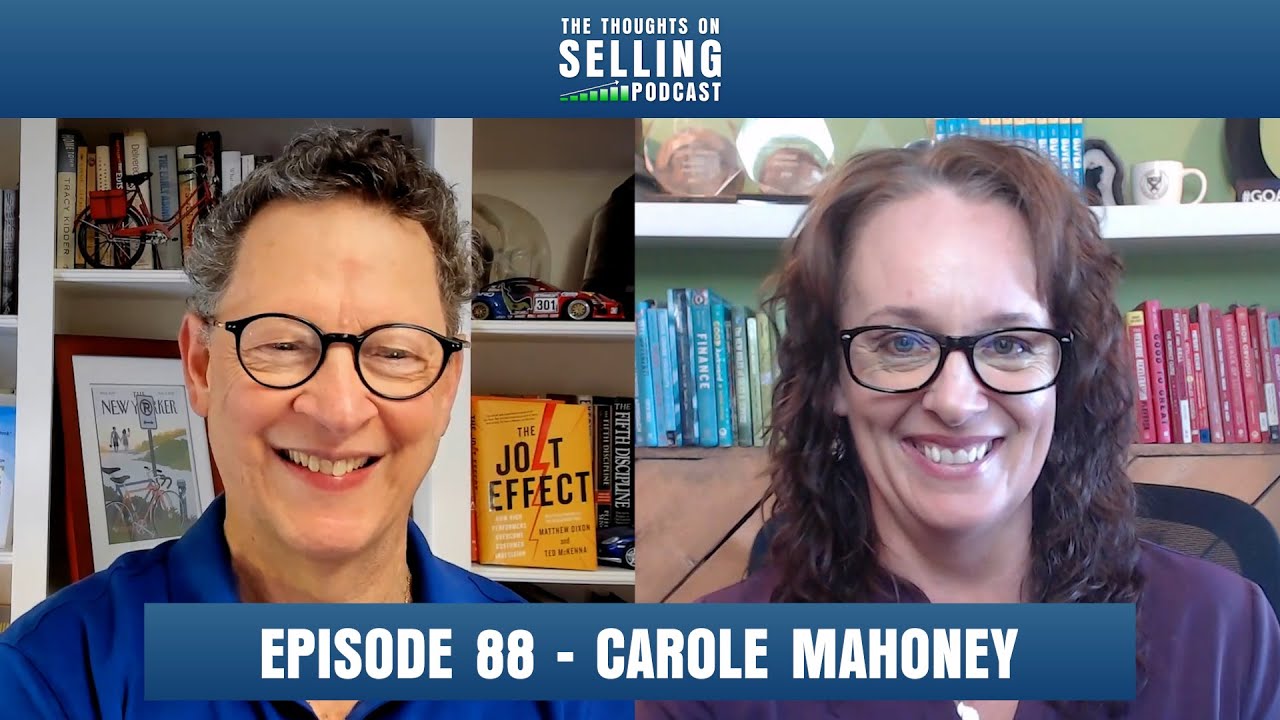
Welcome back to the blog! In our latest podcast episode, titled The "Hot Nerd" of Sales: Neuroscience, Improv, and the "Buyer First" Mindset with Carole Mahoney, we delved deep into a topic that's revolutionizing the sales landscape: moving beyond rigid scripts to embrace authentic, buyer-centric engagement. Today, we're expanding on those themes, exploring how the principles of improv comedy, particularly the 'Yes, And' mentality, can transform your sales approach, allowing you to connect more genuinely with buyers and navigate conversations with agility and confidence. If you've ever felt the pressure of reciting a script or the frustration of a conversation going off-track, this post is for you.
Why Your Sales Script Isn't Working Anymore
Let's be honest, the traditional sales script feels increasingly outdated. In a world where buyers have access to more information than ever before, a canned, one-size-fits-all approach often falls flat. Buyers aren't looking to be recited facts; they're looking for understanding, solutions, and a genuine connection. When a salesperson is solely focused on delivering a pre-written pitch, they miss crucial cues, fail to empathize, and often come across as robotic and inauthentic. This disconnect breeds distrust and ultimately hinders the sales process. The very structure designed to ensure consistency can ironically lead to inconsistency in actual buyer engagement. Buyers are individuals with unique needs, challenges, and perspectives. A script, by its nature, struggles to accommodate this individuality. It’s like trying to fit a square peg into a round hole – it’s forced, and it rarely works seamlessly. The information age has empowered buyers, giving them the leverage to do their own research and form opinions long before a sales conversation begins. This means they're often further down the buyer's journey than a script might assume, and a rigid pitch can feel patronizing or irrelevant.
The 'Yes, And' Mindset: Learning from Improv Comedy
This is where the magic of improv comes in. In improv comedy, performers are given a prompt and must build a scene collaboratively, on the spot. The foundational rule is "Yes, And." This means accepting what your scene partner offers ("Yes") and then adding to it ("And"). This principle is incredibly powerful when applied to sales. Instead of viewing a buyer's statement as a hurdle to overcome or a point to rebut, a salesperson can embrace it as a starting point for deeper exploration. When a buyer expresses a concern, for instance, instead of immediately jumping to a pre-programmed defense, the 'Yes, And' approach encourages the salesperson to acknowledge the concern ("Yes, I understand why that's a concern") and then build upon it with relevant information or questions ("And, let me share how we've helped other clients navigate similar challenges"). This creates a more fluid, collaborative, and engaging conversation. It shifts the dynamic from a monologue to a dialogue, fostering trust and rapport. The improv mindset encourages active listening and genuine curiosity, qualities that are essential for understanding a buyer's true needs and pain points. It allows for spontaneity, adaptability, and a more human-to-human interaction, which is ultimately what builds strong relationships and drives successful sales outcomes.
Carole Mahoney's Journey: From Marketing to 'Hot Nerd' of Sales
Our guest on the podcast, Carole Mahoney, is a brilliant example of this evolution. Initially working in marketing with the goal of making salespeople obsolete, she discovered that true impact, especially for small businesses, often lies in effective selling. Carole didn't just adopt selling; she embraced it with a "nerdy" enthusiasm for understanding the underlying psychology and neuroscience. Her journey from seeing sales as a necessary evil to becoming a champion of ethical, buyer-first selling is inspiring. She embodies the idea that sales, when done right, is a force for positive change. Carole's transition highlights a critical realization: the goal shouldn't be to bypass sales, but to elevate it. She transformed her perspective by understanding the buyer deeply, realizing that genuine help and value creation are at the heart of successful sales. Her self-proclaimed title, "Hot Nerd of Sales," perfectly encapsulates her approach: passionate, knowledgeable, and focused on the intellectual and psychological underpinnings of effective sales practices.
The Neuroscience of Sales: Getting Out of Your Own Way
Carole's expertise extends to the fascinating realm of neuroscience, and how it impacts sales behavior. Understanding the brain's role in decision-making, especially in the context of fear, trust, and motivation, can be a game-changer. Many sales professionals find themselves stuck in their own heads, driven by their own anxieties about closing, hitting quotas, or being rejected. This can lead to pushy behavior, an overemphasis on product features, and a general disconnect from the buyer's reality. By understanding how our brains operate, we can identify these self-sabotaging patterns and consciously choose to disengage from them. This involves recognizing the primal instincts that can drive fear-based selling and actively working to replace them with a more empathetic and curious mindset. When we're not operating from a place of personal fear or insecurity, we're much more likely to be present, attentive, and genuinely focused on the buyer's needs. This also involves understanding the buyer's neurological responses to different stimuli and tailoring our approach accordingly, building trust and reducing their perceived risk.
The Buyer-First Approach: It's Not About You
This is a mantra that Carole champions, and it’s fundamentally important. The "Not About Me" mindset, which she even manifested with literal t-shirts at HubSpot, is crucial. Sales conversations should revolve around the buyer's challenges, goals, and aspirations, not the salesperson's product or their desire to close a deal. When the focus shifts from "What can I sell you?" to "How can I help you?", the entire dynamic changes. This buyer-first approach requires deep empathy and a genuine desire to understand the other person's world. It means asking insightful questions, listening intently to the answers, and demonstrating a sincere interest in finding the best solution for their specific situation, even if that solution isn't your product. It's about positioning yourself as a trusted advisor and partner, rather than a transactional vendor. This is where the 'Yes, And' principle truly shines. By accepting the buyer's reality and building upon it, you demonstrate that you're listening and that you care about their perspective, fostering a much stronger foundation for trust and collaboration.
How Your Personal Buying Habits Shape Your Selling Style
Carole also highlights a fascinating aspect of sales psychology: "How you buy is how you sell." This is a profound insight rooted in cognitive behavioral principles. If you, as a salesperson, are a meticulous shopper who researches every option, hunts for discounts, and needs time to "think it over," you're likely to approach selling in the same way. This can lead to hesitation, an overemphasis on price, and an inability to confidently guide a buyer to a decision. Conversely, if you are decisive, focused on value, and can quickly identify what you need, you'll likely bring that same confident, value-driven approach to your sales interactions. Understanding your own buying habits is the first step to recognizing potential biases in your selling style. It allows you to consciously adjust your approach to better align with the needs and behaviors of your prospects, ensuring that you’re not projecting your own purchasing preferences onto them.
The Manager's Role: Fostering a Positive Sales Environment
The impact of sales management on team performance cannot be overstated. Carole's analysis of hundreds of thousands of managers revealed a staggering statistic: managers with negative beliefs about sales are exponentially more likely to pass those beliefs on to their teams. Conversely, managers with supportive mindsets are far more likely to cultivate high-performing sales environments. This underscores the critical role of leadership in shaping the sales culture. Managers who believe in the value of sales, who support their teams, and who foster a growth-oriented mindset create an atmosphere where salespeople can thrive. They act as coaches and mentors, encouraging ethical practices, skill development, and a genuine focus on the buyer. This creates a virtuous cycle where positive reinforcement and belief in the sales process lead to better outcomes and a more motivated sales force.
Hiring for Success: The Value of Hospitality Skills in Sales
Another area where Carole and I found common ground is in the surprising but highly effective practice of hiring individuals with strong hospitality backgrounds for sales roles. People who excel in hospitality – think servers, hosts, or front desk staff – possess innate skills that are incredibly valuable in sales. They are adept at reading people, anticipating needs, asking the right questions to understand preferences, and creating a welcoming and positive experience. They know how to gracefully handle customer requests and make recommendations that are genuinely helpful. This ability to connect with people on a human level, to make them feel seen and heard, is the essence of buyer-first selling. These individuals often possess a natural empathy and a desire to serve, which are far more critical than rote product knowledge, especially in the early stages of a sales career.
Conclusion: Authentic Selling and Making a Difference
In this blog post, we've explored how embracing the 'Yes, And' mentality from improv comedy can fundamentally transform your sales approach. Moving beyond rigid scripts, understanding the neuroscience of buyer behavior, and adopting a buyer-first mindset are not just buzzwords; they are essential strategies for success in today's sales landscape. As we heard in our podcast episode, The "Hot Nerd" of Sales: Neuroscience, Improv, and the "Buyer First" Mindset with Carole Mahoney, authentic selling is about building relationships, understanding needs, and genuinely helping people. It's about transforming sales from a process of persuasion into a mechanism for positive change. By adopting the principles of improv, focusing on the buyer, and leveraging insights from neuroscience, we can all become more effective, more ethical, and ultimately, more impactful sales professionals. Remember, the goal isn't just to close a deal; it's to make a difference in the lives and businesses of your buyers. Thank you for joining me on the blog, and I encourage you to listen to the full episode for even more insights from Carole Mahoney!