Beyond the QBR: Building Deeper Customer Relationships
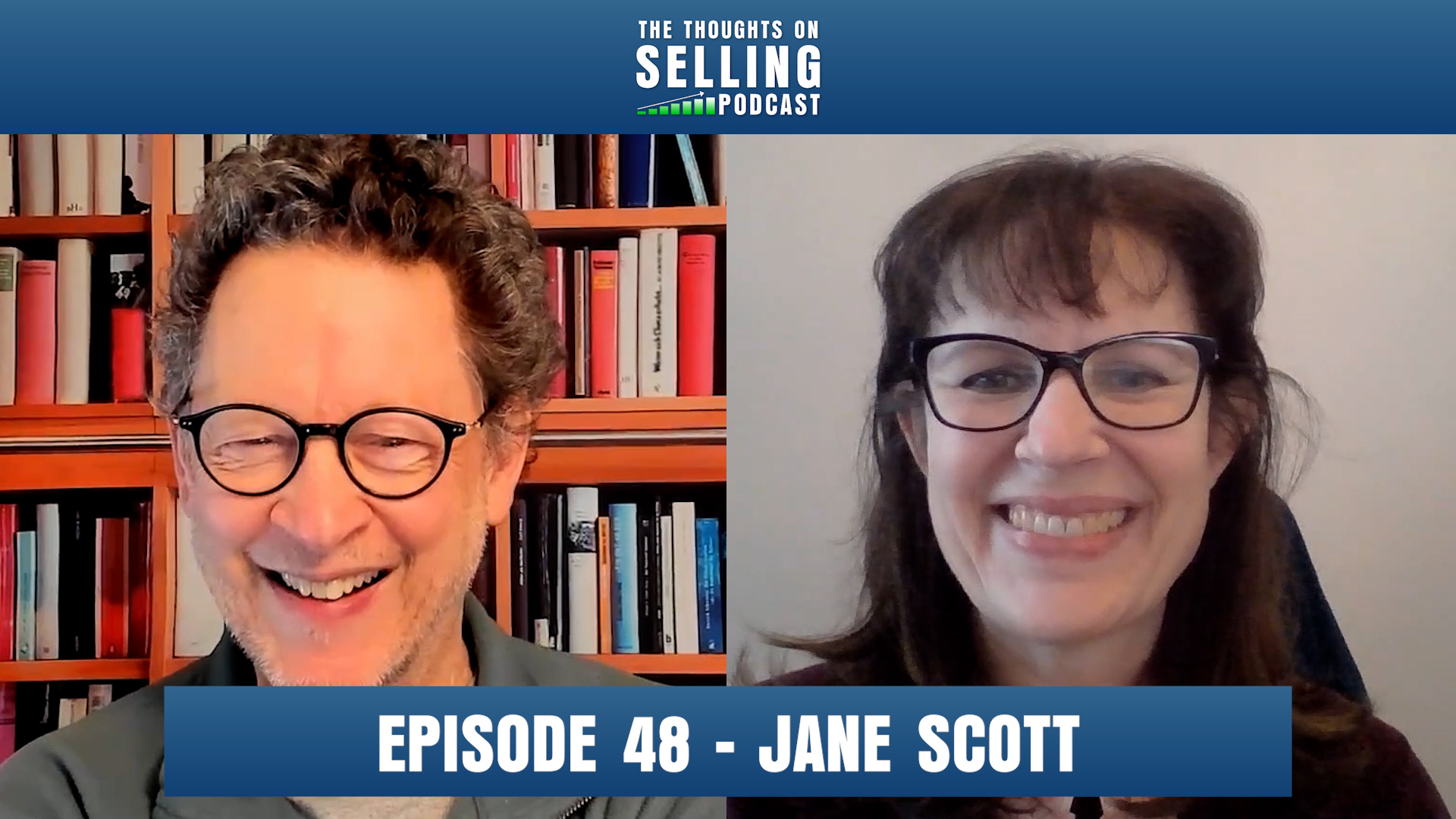
Welcome back to the blog! In our latest episode, we had a truly illuminating conversation with the incredible Jane Scott on "Owning the Outcome: The Real Role of Customer Success." Jane, with her extensive experience, brought a perspective that deeply resonated with me and, I hope, with all of you. It got me thinking about how we, as professionals, approach our customer relationships, and specifically, how we can move beyond the transactional and truly foster lasting, meaningful partnerships. This blog post is an expansion on those ideas, diving into practical strategies that elevate customer engagement far beyond the standard Quarterly Business Review (QBR). We'll explore why genuine connection matters, how to achieve it, and ultimately, how to own the entire customer journey.
The Foundation: Why Deep Relationships Matter
In today's fast-paced business environment, it's easy to fall into the trap of focusing solely on metrics, KPIs, and the next sale. However, the true bedrock of sustainable business growth lies in the strength and depth of our customer relationships. These aren't just about satisfying a contract; they're about building trust, understanding, and mutual respect. When a customer feels truly understood and valued, they become more than just a client – they become a partner. They are more likely to be loyal, to advocate for your product or service, and to weather any storms that may arise. Deep relationships lead to increased retention, higher lifetime value, and invaluable insights that can drive innovation. Conversely, superficial relationships, often characterized by infrequent, formal check-ins, leave customers feeling like just another number, ripe for poaching by competitors who offer a more personalized experience.
Jane Scott's Experience: Consistency, Influence, and Insight
One of the most powerful takeaways from my conversation with Jane Scott was her emphasis on consistency and the profound influence that comes with it. Jane's remarkable tenure of 12 years on a single account provided her with an unparalleled depth of knowledge. This wasn't just about knowing the product or the customer's immediate needs; it was about understanding their history, their evolving strategies, their internal dynamics, and their long-term vision. This deep well of historical context allowed her to provide truly insightful guidance. When you have that kind of sustained presence and understanding, your advice carries weight. You're not just offering solutions; you're offering strategic partnership. This level of influence is earned through consistent presence, genuine care, and the ability to anticipate needs based on a comprehensive understanding of the customer's world. It's a stark contrast to the revolving door of account managers who only scratch the surface, leaving customers feeling like they have to re-educate someone new every six months.
Customer Success: Enabling Outcomes, Not Just Solving Problems
Jane articulated a crucial distinction that we explored in the episode: Customer Success is not simply about reactive problem-solving. While addressing issues promptly is essential, true Customer Success is proactive and focused on enabling the customer to achieve their desired outcomes. This means understanding their business goals, their key performance indicators, and what "success" truly looks like for them. It's about aligning your product or service's capabilities with their strategic objectives. Are they looking to increase efficiency? Expand market share? Improve customer satisfaction? Your role as a partner is to actively facilitate those outcomes. This requires a deep understanding of their business beyond just the technical aspects of your offering. It's about asking the right questions, providing strategic guidance, and ensuring that the value you deliver is directly tied to their success. This shifts the perception from a vendor to a strategic ally.
Aligning with the Customer's Business Rhythm
A critical, yet often overlooked, aspect of building strong customer relationships is understanding and aligning with their business rhythm. Every organization has its own cadence – its planning cycles, its reporting periods, its product launch schedules, its seasonal peaks and troughs. Jane highlighted the importance of timing in customer engagement. To truly be a valuable partner, you need to be present and relevant during these critical junctures. This means knowing when to check in, when to offer support, and when to propose new initiatives. It's about being integrated into their operational flow, not an external entity that interrupts it. This alignment requires active listening and a willingness to adapt your approach to fit their world. It shows that you're not just focused on your own business needs, but genuinely invested in theirs. For example, understanding when a customer is preparing for their annual budget review allows you to proactively present the ROI of your services for the upcoming year, rather than trying to retroactively justify your costs.
Does Every SaaS Company Need a Dedicated CS Team?
This was a provocative question Jane brought up, and it sparked a lot of thought. The answer isn't a simple yes or no. While many SaaS companies recognize the value of a dedicated Customer Success Management (CSM) team, the reality is that the *function* of customer success must be owned, regardless of team structure. In smaller organizations, this responsibility might fall on sales, account management, or even product. The key is that someone is accountable for the customer's long-term health and success. The danger arises when the responsibility is diffused, and no one truly owns the customer journey. Even without a formal CSM role, the principles of proactive engagement, outcome enablement, and relationship building must be embedded within the organization's culture and operational processes. The question isn't necessarily about having a specific title, but about ensuring the critical functions of customer advocacy and value realization are actively managed.
Internal Alignment: The Unsung Hero of Customer Experience
The quality of a customer's experience is often a direct reflection of how well an organization's internal teams are aligned. Sales needs to set realistic expectations, not overpromise to close a deal. Operations needs to ensure smooth onboarding and service delivery. Product development needs to incorporate customer feedback into their roadmap. When these departments work in silos, the customer inevitably feels the friction. Jane emphasized this point: internal alignment is the "unsung hero" of customer experience. When sales, operations, and product are in sync, collaborating and communicating effectively, the customer receives a seamless, cohesive, and positive interaction. This requires a shared understanding of customer goals and a commitment to delivering on them collectively. It's about breaking down departmental barriers and fostering a unified approach to customer stewardship. Without this internal harmony, even the most well-intentioned external customer-facing efforts can be undermined.
Practical Strategies for Deeper Connections (Beyond the QBR)
So, how do we move beyond the quarterly check-in and build truly deep, impactful relationships? Here are some practical strategies, inspired by our conversation with Jane:
Attending Industry Events Together
This is a fantastic way to deepen a customer relationship. Imagine attending a relevant industry conference not just as two separate entities, but as partners. You can share insights, meet new contacts together, and demonstrate a shared commitment to staying at the forefront of your industry. This creates a more informal, collaborative environment where you can discuss challenges and opportunities in a relaxed setting. It also provides an opportunity to introduce your customer to valuable contacts within your network, further cementing your role as a helpful resource. It's about investing in their professional development and network as much as your own.
Facilitating Shared Learning Opportunities
Beyond standard training sessions, consider creating opportunities for shared learning. This could involve hosting webinars on emerging trends, organizing workshops on best practices, or even facilitating peer-to-peer learning among your customer base. By bringing your customers together, or by providing them with access to exclusive knowledge, you position yourself as a thought leader and a valuable knowledge hub. This fosters a sense of community and provides tangible value that extends beyond your immediate product or service. It shows you're invested in their growth and development as professionals and as organizations.
The Power of Simple Gestures: 'How Can I Help?'
As Jane wisely pointed out, "It doesn’t have to be a huge, elaborate plan. Sometimes it’s just asking, ‘How can I help?’" This simple question, asked with genuine intent, can be incredibly powerful. It opens the door for the customer to voice needs or challenges they might not otherwise articulate. It signals your willingness to go the extra mile and demonstrates that your relationship is more than just a transaction. It could be a small suggestion, a helpful introduction, or offering to review a relevant document. These acts of genuine helpfulness build immense goodwill and reinforce the idea that you are a trusted advisor and partner.
Key Takeaways for Building Lasting Customer Relationships
To recap, building lasting customer relationships requires a shift in mindset and a commitment to consistent, genuine engagement. Here are the core takeaways:
- Understand the rhythm of your customer’s business – timing is everything.
- Great customer success starts with empathy and ends with results.
- Whether or not you have a CSM team, someone needs to own the customer journey.
- The best relationships go beyond QBRs – think industry events, shared learning, and meaningful connection.
- Proactively ask: "What will keep us from being successful together?" This forward-looking question can uncover potential roadblocks before they become major issues.
Conclusion: Owning the Customer Journey
The Quarterly Business Review is a necessary checkpoint, but it’s just one stop on a much longer, more intricate journey. As we discussed in depth with Jane Scott in episode 48, "Owning the Outcome: The Real Role of Customer Success," true customer success and enduring relationships are built on a foundation of proactive engagement, deep understanding, and a genuine commitment to enabling the customer's outcomes. It's about becoming an indispensable partner, not just a vendor. By moving beyond the transactional, embracing strategies like shared learning and industry event collaboration, and consistently asking "How can I help?", we can foster relationships that are not only mutually beneficial but also incredibly rewarding. Owning the customer journey means taking responsibility for their success, from the initial touchpoint to long-term advocacy. It's a continuous process, and one that is undeniably worth the investment.