Beyond the Pitch: Unpacking Ted McKenna's 'Sales Anthropology'
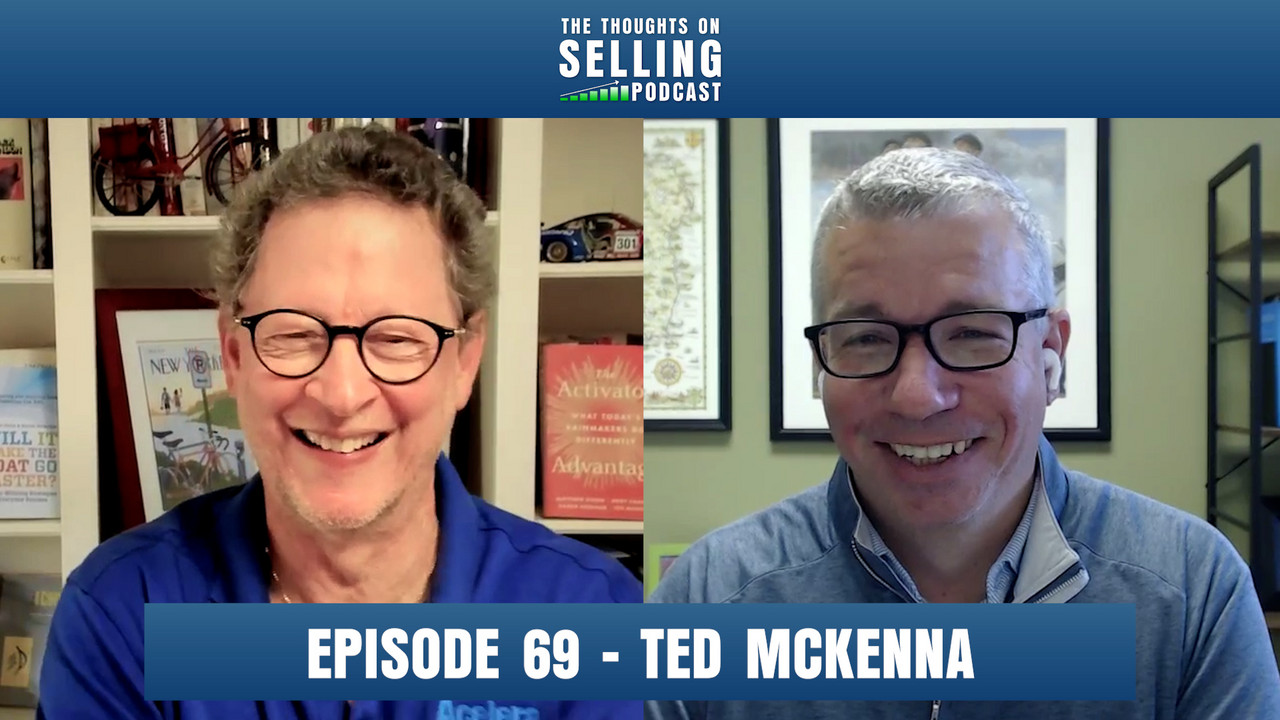
Welcome back to the blog, fellow sales enthusiasts! In our latest podcast episode, "Empathy, Insight, and Action: Ted McKenna on the New Sales Playbook," we had the incredible opportunity to sit down with the brilliant Ted McKenna. Ted, a name synonymous with revolutionary sales frameworks, has consistently pushed the boundaries of our understanding of the sales process. This blog post is an expansion on those groundbreaking ideas, delving deeper into his concept of "Sales Anthropology" and the powerful insights gleaned from analyzing millions of sales calls. If you're looking to move beyond superficial tactics and truly understand the 'why' behind buyer behavior, you're in the right place. We're going to unpack what happens when data meets human behavior, and how this fusion is reshaping the future of selling.
The Evolving Landscape of Sales
The world of sales has always been a dynamic and ever-changing arena. What worked a decade ago might be considered archaic today. Buyers are more informed, more empowered, and frankly, more skeptical than ever before. The internet has democratized information, meaning potential clients can research solutions, competitors, and industry trends long before a salesperson even gets a chance to make their initial pitch. This shift has moved the needle from a seller-centric approach, where the salesperson held most of the power, to a buyer-centric model, where the buyer dictates the pace and the flow of information. In this new paradigm, simply delivering a polished presentation or a compelling discount is no longer enough. The true challenge lies in understanding the intricate motivations, hesitations, and decision-making processes that influence whether a deal moves forward or gracefully, or perhaps frustratingly, stalls.
This evolving landscape necessitates a deeper, more nuanced understanding of human psychology and behavior within the context of commercial transactions. It's no longer about mastering the perfect script or the most persuasive closing technique. Instead, it's about building genuine connections, offering profound insights, and demonstrating an unwavering commitment to solving a buyer's unique challenges. This is where Ted McKenna's work, particularly his exploration of 'Sales Anthropology,' becomes not just relevant, but essential for anyone serious about achieving sustainable success in modern sales.
Ted McKenna's Journey: From Frameworks to Anthropology
Ted McKenna's career is a testament to a relentless pursuit of understanding what truly drives sales success. He's not just a theorist; he's a researcher who digs deep, transforming abstract concepts into actionable strategies. You might know him from his instrumental role in developing groundbreaking frameworks like 'The Challenger Sale,' 'The JOLT Effect,' and most recently, 'The Activator Advantage.' These frameworks have been adopted by countless sales organizations worldwide, revolutionizing how sales professionals engage with their prospects.
However, Ted's journey hasn't been solely about developing elegant models. It's been about grounding those models in empirical evidence and a profound understanding of human behavior. His shift towards what he terms "Sales Anthropology" signifies a move beyond simply observing what successful salespeople *do* to understanding *why* they do it, and more importantly, *why* buyers behave the way they do. This involves looking at the underlying cultural, psychological, and behavioral factors that influence decision-making, not just in isolation, but within the complex social and professional ecosystems of businesses. It's about observing, analyzing, and interpreting the 'rituals,' 'beliefs,' and 'social dynamics' that play out in every sales interaction, much like an anthropologist studies a community.
This anthropological lens allows Ted to uncover patterns and insights that might be missed by traditional data analysis or purely tactical training. It’s about understanding the unspoken, the emotional undercurrents, and the deeply ingrained human tendencies that shape our choices. By combining this qualitative, observational approach with robust quantitative data, Ted has been able to build a more holistic and effective picture of modern selling.
The Power of Data: Analyzing Millions of Sales Calls
One of the most compelling aspects of Ted McKenna's research is the sheer scale of the data he has analyzed. We're talking about millions of sales calls. This isn't anecdotal evidence or a handful of case studies; it's a statistical ocean of real-world interactions. By meticulously examining this vast dataset, Ted and his team were able to identify granular patterns, common pitfalls, and the subtle behaviors that distinguish successful deals from those that languish or fail.
This quantitative powerhouse provides the bedrock for his anthropological observations. The data doesn't just tell us *that* something happens; it allows us to explore *why* it happens with a level of confidence that is rarely achievable through smaller-scale studies. For instance, understanding that a certain percentage of deals stall at a particular stage becomes far more actionable when coupled with qualitative insights into the buyer's mindset during those moments. This is where the magic truly happens – where the cold, hard numbers begin to tell a story about human psychology and decision-making in a business context.
The ability to analyze such an immense volume of sales conversations allows for the identification of trends that might otherwise be invisible. It’s like zooming out from a single conversation to see the entire forest, identifying the species of trees, their growth patterns, and the environmental factors affecting them. This comprehensive view is what enables Ted to develop frameworks that are not just theoretically sound but practically proven on a massive scale, offering a unique blend of scientific rigor and human understanding.
Why Deals Stall: Unpacking the 'No Decision' Phenomenon
Perhaps one of the most surprising and persistent findings from Ted's research is the prevalence of the "no decision" outcome. In an ideal world, every sales engagement would result in a "yes" or a "no." But the reality is far more complex. Many deals simply fade away, neither accepted nor explicitly rejected. This "no decision" state is a silent killer of sales pipelines, representing lost opportunities, wasted resources, and a lack of clarity for both buyer and seller.
Ted's analysis has revealed that this phenomenon is often rooted in a confluence of factors that go beyond the product or service itself. It's about the buyer's internal landscape. Fear of making the wrong choice, fear of career repercussions, the sheer complexity of the decision-making process within their organization, and a lack of perceived urgency or value can all contribute to paralysis. Buyers might be interested, they might see potential value, but they ultimately lack the conviction or the clear path forward to commit.
This is where the anthropological lens is crucial. It helps us understand the social and emotional pressures at play. Is the buyer worried about rocking the boat? Are they concerned about how their peers or superiors will perceive their decision? Is the perceived risk of making a change greater than the potential reward? By understanding these underlying human anxieties and organizational dynamics, salespeople can move beyond simply presenting features and benefits to actively addressing the "what ifs" and the "how tos" that lead to "no decision." It's about de-risking the decision for the buyer and building the confidence they need to move forward.
The JOLT Effect: Guiding Buyers Through Information Overload
In today's digital age, buyers are inundated with information. Every search query, every social media scroll, every industry report delivers a torrent of data. This isn't always a good thing. In fact, as Ted McKenna's research on "The JOLT Effect" illustrates, too much information can lead to overwhelm, indecision, and ultimately, inaction. Buyers can become so paralyzed by the sheer volume of options and data that they struggle to make any decision at all.
The JOLT Effect, which stands for Judge, Organize, Lead, and Take Action, provides a framework for how sellers can help buyers navigate this information overload. It’s not about providing more data; it’s about providing the *right* data, in the *right* way, at the *right* time. Successful sellers don't just dump information on their prospects; they act as guides, curating, filtering, and contextualizing the information to make it digestible and actionable.
This involves understanding the buyer's specific needs and priorities, organizing information in a way that clearly demonstrates value, leading them through the decision-making process with confidence, and ultimately, helping them to take action. It’s about simplifying complexity, highlighting clarity, and building momentum. Instead of sending endless decks and whitepapers, the focus shifts to facilitating understanding and empowering the buyer to make a confident choice. This requires a proactive and empathetic approach, where the seller anticipates the buyer's information needs and orchestrates the flow of knowledge to move the deal forward, rather than getting lost in the noise.
The Activator Advantage: Traits of Top Performing Sellers
Building on his previous research, Ted McKenna's "The Activator Advantage" identifies the key characteristics of the highest-performing sellers. These aren't just salespeople who close deals; they are individuals who consistently drive value, build strong relationships, and effectively navigate complex sales environments. The research goes beyond surface-level behaviors to uncover the underlying mindset and habits that fuel their success.
Activators, as they are called, are characterized by their proactive approach to business development. They don't wait for opportunities to come to them; they actively seek them out. This includes consistently prospecting, nurturing leads, and identifying new avenues for engagement. Furthermore, they excel at building "zipper relationships" – deep, trusted connections that extend beyond the initial point of contact to encompass multiple stakeholders within an organization. This allows them to gain a comprehensive understanding of the buyer's needs and challenges from various perspectives.
Crucially, activators also demonstrate a mastery of flowing value across networks. They understand how to leverage their relationships and insights to create mutually beneficial outcomes for both their clients and their own organizations. This often involves a willingness to share knowledge, offer strategic advice, and connect individuals who can benefit from each other. It's a holistic approach to sales that emphasizes long-term partnership and value creation, rather than transactional wins. This proactive, relationship-centric, and value-driven approach is what truly sets them apart.
Beyond Discounts: Addressing the Emotional Side of Buying Decisions
For too long, the sales playbook has heavily relied on discounts as a primary lever for closing deals. While price can be a factor, Ted McKenna's "Sales Anthropology" powerfully argues that it is rarely the primary driver of a significant purchasing decision. Instead, the research consistently points to the emotional side of buying as being far more influential. Buyers aren't just looking for the cheapest option; they are making decisions based on perceived risk, career implications, and their emotional comfort with a proposed solution and the salesperson offering it.
The fear of "messing up" – of making a poor decision that reflects negatively on them or their team – is a potent inhibitor. This fear is amplified in today's business environment, where careers can be significantly impacted by significant strategic missteps. Therefore, a seller's ability to address and mitigate this fear is paramount. This involves building trust, demonstrating a deep understanding of the buyer's business and challenges, and presenting a solution that is not only effective but also feels secure and well-supported.
This means moving beyond a transactional mindset and embracing a more consultative and empathetic approach. Sellers need to understand the buyer's anxieties, acknowledge the potential risks, and provide reassurance and evidence that minimizes those fears. When a seller can demonstrate that they genuinely understand and are invested in the buyer's success, the focus shifts from the price tag to the value and security of the solution. This emotional connection and risk reduction are often far more persuasive than any discount could ever be.
Authenticity and Value Alignment: The Core of Modern Selling
In the era of "Sales Anthropology," authenticity and value alignment have emerged as the cornerstones of successful selling. Buyers are increasingly sophisticated, and they can quickly detect insincerity. The old adage of "closing the deal at all costs" has been replaced by a more profound understanding that genuine relationships and shared purpose are what drive sustainable success.
When a salesperson is perceived as "coin-operated," meaning their sole motivation is commission, buyers become wary. They can spot when their needs are being shoehorned into a pre-defined solution rather than addressed with genuine care. Modern selling demands that salespeople truly believe in the value they are providing and that their efforts are aligned with the client's overarching mission and objectives. This requires a deep dive into understanding the buyer's business, their industry, their competitive landscape, and their long-term goals.
Authenticity isn't just about being honest; it's about being genuine in your desire to help the client achieve their outcomes. When a seller can demonstrate this genuine commitment, they build a level of trust that is far more valuable than any short-term discount. Value alignment means ensuring that the proposed solution not only meets the immediate needs but also contributes to the buyer's strategic vision. It’s about becoming a trusted partner rather than just a vendor. This shift towards authenticity and value alignment creates a more ethical, effective, and ultimately, more rewarding sales experience for everyone involved.
The Future of Sales: AI, Improv, and Timeless Principles
The future of sales is not a singular, monolithic entity, but rather a dynamic blend of cutting-edge technology, age-old human skills, and evolving methodologies. Ted McKenna's insights point towards a fascinating intersection of these elements.
Artificial Intelligence (AI) is undeniably set to play a significant role. AI can automate repetitive tasks, analyze vast datasets for predictive insights, and even assist in personalizing customer interactions. However, Ted emphasizes that AI is a tool, not a replacement for human connection. The ability to empathize, build rapport, and understand nuanced emotional cues remains a uniquely human capability that AI cannot replicate. The best sellers will leverage AI to enhance their efficiency and effectiveness, freeing them up to focus on the high-value, human-centric aspects of selling.
Interestingly, Ted also highlights the value of improv training in sales. Improv teaches adaptability, quick thinking, active listening, and the ability to build on ideas – all critical skills for navigating the unpredictable nature of sales conversations. This reflects a return to fundamental communication and interpersonal skills, which are timeless principles that will always be relevant, regardless of technological advancements.
Ultimately, the future of sales will be defined by those who can effectively integrate these diverse elements. It will be about leveraging technology for efficiency, mastering the art of human connection and empathy, and continuously adapting to the evolving needs of buyers. The core principles of understanding your customer, providing genuine value, and building trusted relationships will remain paramount, forming the bedrock upon which all future sales strategies will be built.
Conclusion: Applying Sales Anthropology for Greater Success
As we've explored throughout this post, Ted McKenna's "Sales Anthropology" offers a profound and actionable framework for understanding and succeeding in modern sales. By combining the power of data analysis with a deep appreciation for human behavior, Ted has uncovered critical insights into why deals stall, how to guide buyers through information overload, and what truly differentiates top-performing sellers. His work on The JOLT Effect and The Activator Advantage provides concrete strategies for de-risking decisions for buyers, building authentic connections, and aligning value propositions with client missions.
The key takeaway is that effective selling in today's complex environment transcends mere product knowledge or persuasive techniques. It requires empathy, deep understanding, and a genuine commitment to the buyer's success. As Ted articulates, focusing on the emotional side of buying decisions and fostering authenticity are no longer optional; they are essential. This anthropological approach encourages us to look beyond the surface of the transaction and understand the deeper motivations and anxieties that shape buyer behavior.
We encourage you to revisit our conversation with Ted in episode "Empathy, Insight, and Action: Ted McKenna on the New Sales Playbook." Apply these principles in your daily interactions. Challenge yourself to understand the 'why' behind your prospect's hesitations. Focus on building trust and demonstrating genuine value, and you'll find yourself moving beyond the pitch and into a more impactful and successful realm of selling. The future of sales is here, and it's more human than ever.