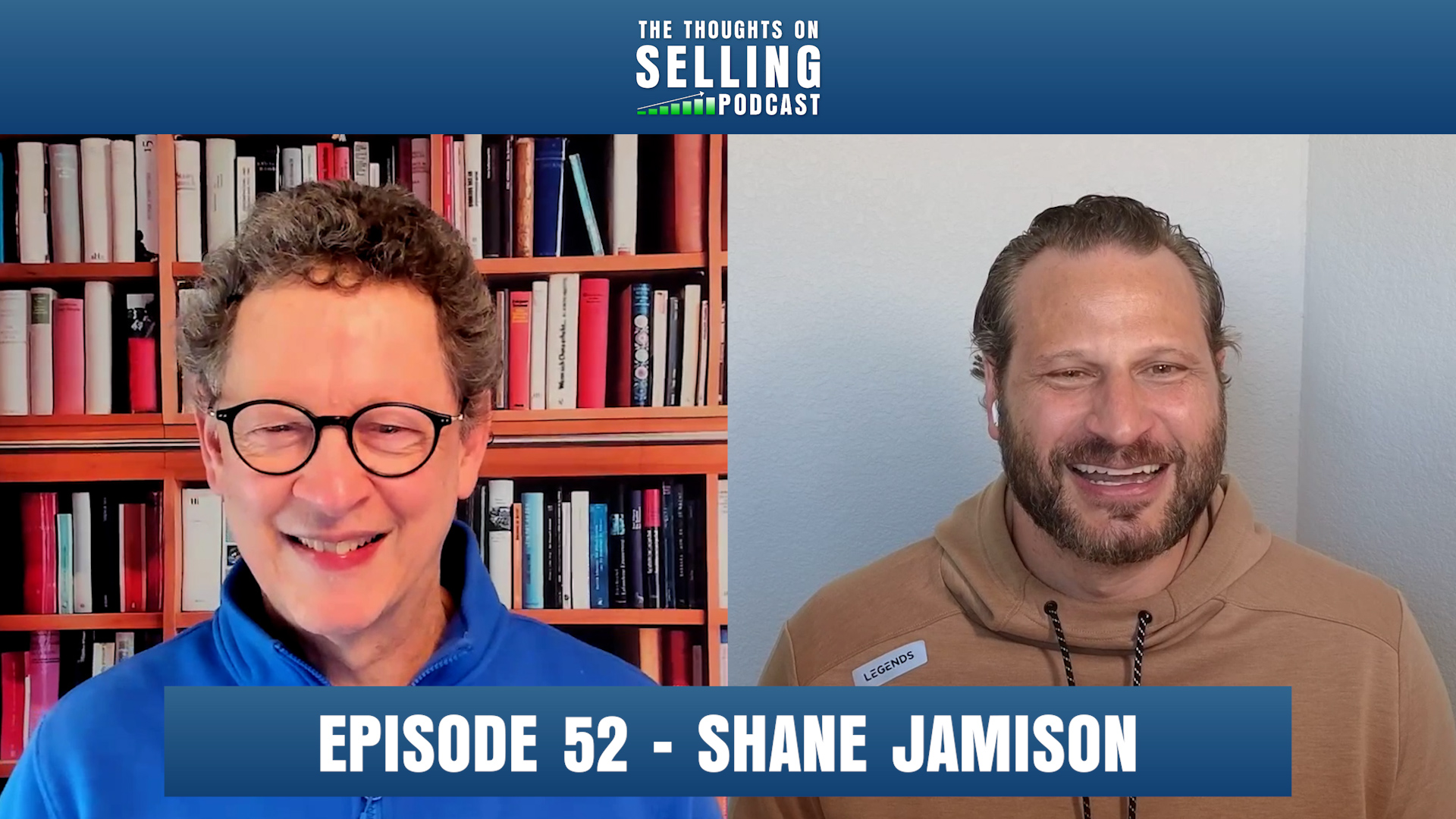
Beyond the Close Date: Aligning Sales with Customer Priorities
Welcome back to the blog! In our latest episode, titled "52. Sales Without the Hard Sell: Coaching for Authentic Wins," we delved deep into a topic that’s often a source of tension and misalignment in the sales world: the push to close deals based on our internal timelines rather than the customer’s genuine needs and readiness. This blog post is here to expand on that crucial takeaway, exploring practical strategies for shifting our sales approach from an internal deadline-driven frenzy to a customer-centric rhythm that fosters trust and cultivates lasting, sustainable relationships. It’s about moving beyond the arbitrary close date and embracing a more authentic and effective way of selling.
The Allure of the Early Close vs. Sustainable Success
Let’s be honest, there’s a certain thrill, a dopamine hit, that comes with seeing a deal close before its anticipated date. For many sales organizations, especially those with aggressive quarterly targets, the pressure to pull deals in early is immense. It’s a metric that can be easily tracked, reported, and, on the surface, appears to indicate a high-performing sales team. This focus on "early closes" can become ingrained in the sales culture, leading to strategies that prioritize expediency over genuine customer value. However, as we discussed in episode 52 with Shane Jamison, this relentless pursuit of an early close can often be a mirage. It might look good on a dashboard for a quarter, but it rarely contributes to long-term customer loyalty or sustainable revenue growth. In fact, forcing a deal to close before a customer is truly ready can sow the seeds of doubt, dissatisfaction, and ultimately, churn. It’s a short-term win that often comes at the expense of a long-term partnership. The allure of the early close is powerful, but it’s a siren song that can lead our sales efforts onto the rocks of customer distrust and ultimately, failed relationships.
The Problem with Closing Based on Internal Deadlines
The core of our discussion in episode 52 and the focus of this post is the inherent problem with aligning deal timelines to our internal deadlines – be it the end of a fiscal quarter, a monthly quota, or a specific campaign launch. When our primary driver for closing a deal is an internal calendar, we inevitably start to view the customer not as a partner seeking a solution, but as a lever to pull to meet our own objectives. This creates a fundamental disconnect. The customer’s needs, their internal processes, their decision-making cycles, their budget approvals – these all become secondary to our need to hit a number. This can manifest in several unhealthy ways:
Creating Artificial Urgency: We might start using tactics that imply an immediate need, even if it doesn't truly exist for the customer. This could be through limited-time offers that aren't truly limited, or by highlighting potential future risks that are exaggerated to encourage a quick decision.
Ignoring Red Flags: When the pressure to close is high, we might overlook signs that a customer isn't fully committed, or that their needs aren't truly being met. We might push past their concerns or gloss over potential implementation hurdles.
Damaging Trust: Customers are savvy. They can sense when they are being pushed rather than guided. When they feel their best interests are not the primary concern, trust erodes. This erosion makes future sales interactions and renewals significantly more challenging.
Leading to Buyer's Remorse: A deal closed too quickly, before the customer has fully assessed their needs or budget, can lead to regret. This regret can manifest as cancellations, reduced usage, or negative word-of-mouth, all of which are detrimental to our business.
Fostering a Transactional Relationship: When the focus is solely on the close date, the relationship becomes transactional. The goal is to get the signature, not to build a lasting partnership that provides ongoing value. This limits our ability to upsell, cross-sell, or secure referrals in the future.
Ultimately, closing based on internal deadlines is a fundamentally flawed strategy. It prioritizes short-term, potentially illusory, gains over the long-term health of our customer relationships and, by extension, our business. It’s a path that leads to stressed sales teams, unhappy customers, and unsustainable revenue.
Understanding the Customer's Timeline: A Foundation of Trust
The antidote to the internal deadline trap lies in a deep and genuine understanding of the customer's timeline. This isn't just about asking, "When do you want to buy?" It’s about engaging in a discovery process that uncovers their strategic objectives, their operational challenges, their internal decision-making processes, and their implementation realities. When we prioritize understanding the customer’s timeline, we are laying the foundation for true trust. This involves:
Active Listening: This means paying attention not just to what the customer says, but how they say it, and what they *don't* say. It involves asking clarifying questions and paraphrasing to ensure comprehension.
Empathy: Put yourself in the customer's shoes. What are their pressures? What are their priorities? What are the bureaucratic hurdles they might face? Understanding their world allows you to tailor your approach and recommendations.
Thorough Discovery: Beyond surface-level needs, delve into the "why." Why are they looking for a solution? What are the underlying business problems they are trying to solve? What are their desired outcomes? The answers to these questions will reveal their true urgency and the timeline dictated by their business needs, not our sales targets.
Mapping Their Process: Gently inquire about their procurement process, their approval workflows, and their typical implementation timelines for new solutions. This provides invaluable insight into their realistic onboarding schedule.
Identifying Key Stakeholders: Understand who needs to be involved in the decision-making process and what their individual timelines and priorities might be. This allows you to navigate the customer's organization more effectively and ensure alignment.
When we commit to understanding the customer's timeline, we signal that we are there to help them achieve their goals, not just to meet our quotas. This shift in focus is profound. It transforms the sales conversation from a negotiation over price and terms to a collaborative problem-solving session. This is where true partnerships begin to form, built on a bedrock of mutual understanding and respect. The customer feels heard, valued, and confident that you are a trusted advisor, not just a vendor. This approach moves beyond a transactional mindset and lays the groundwork for a relationship that can endure and grow over time.
Practical Strategies for Aligning with Customer Priorities
So, how do we translate this understanding of customer timelines into actionable sales strategies? It's not about abandoning urgency altogether, but about re-framing it and ensuring it's driven by genuine customer value and readiness. Here are some practical strategies:
Deep Dive Discovery Questions: Instead of asking about budget and timeline prematurely, ask questions that uncover their current state and desired future state. For example:
- "What are the top 3 strategic initiatives your team is focused on this year?"
- "What are the biggest bottlenecks or inefficiencies preventing you from achieving those initiatives?"
- "If we could help you solve X problem, what would be the impact on your business by the end of the next quarter?"
- "What does a successful implementation of a solution like this typically look like for your organization in terms of timing and internal resources?"
Collaborative Timeline Mapping: Once you have a good grasp of their needs, propose a joint exercise to map out the journey from their current state to their desired outcomes. This might involve:
- Identifying all the necessary steps for implementation.
- Estimating the time required for each step, considering their internal resources and approval processes.
- Pinpointing potential dependencies or roadblocks that need to be addressed.
- Defining clear milestones and deliverables along the way.
This process makes the customer an active participant in defining the timeline, ensuring it’s realistic and aligned with their capacity and priorities.
Value-Based Prioritization: Help the customer understand the value of addressing their challenges. If a problem is causing significant financial loss or hindering strategic growth, the urgency to solve it will naturally increase, regardless of your internal deadlines. Frame your solution’s benefits in terms of ROI, time savings, risk mitigation, or competitive advantage. This helps them prioritize the investment internally.
Phased Implementation: If a full solution implementation takes a long time, explore the possibility of a phased approach. This allows the customer to see value sooner and gain momentum, while still adhering to their internal capacity and readiness. It’s about delivering incremental wins that build confidence and pave the way for a more comprehensive solution later.
"No Decision" as a Valid Outcome (for now): In some cases, the best answer for the customer might be "not yet." If their timeline is genuinely not aligned with the value you can provide, or if they are not yet ready to commit the necessary resources, it’s more professional and relationship-building to acknowledge that. This doesn’t mean losing the opportunity forever; it means resetting expectations and staying engaged for when the timing is right.
Focus on Requirements, Not Just Features: Ensure you are aligning your solution to their specific business requirements. When the customer sees that your offering directly addresses their most pressing needs and fits within their operational realities, the decision-making process becomes clearer and the timeline becomes more naturally defined by their business objectives.
These strategies move the conversation away from arbitrary dates and towards a shared understanding of what success looks like for the customer and the realistic path to achieving it. This builds a partnership rooted in value and mutual respect.
From Pressure to Partnership: Collaborative Timeline Discussions
The shift from a pressure-driven sales approach to a partnership-based one hinges on how we conduct our timeline discussions. In the old model, timeline discussions might feel like an interrogation: "When can you sign?" "What’s your budget deadline?" "Can you bring that decision forward?" This creates an adversarial dynamic, where the customer feels cornered and the salesperson feels frustrated. In contrast, a partnership approach transforms these discussions into collaborative explorations.
When we engage in collaborative timeline discussions, we are essentially inviting the customer to co-create the path forward. This looks like:
Open-Ended Questions: Instead of closed questions that elicit a yes or no, we use open-ended questions to encourage dialogue. For example, "Tell me about how your team typically plans for new technology integrations," or "What internal milestones do you need to hit before a project like this can be approved?"
Active Listening and Validation: As the customer shares their process, actively listen and validate their experiences. Phrases like "That makes sense," "I can see how that would be a challenge," or "So, if I understand correctly, the next step involves X, Y, and Z," demonstrate that you are engaged and understanding their world.
Proposing Solutions within Their Framework: Once you understand their internal processes and timelines, you can propose how your solution and implementation plan can best fit within that framework. This might involve suggesting a pilot program that aligns with their budget cycle, or a phased rollout that accommodates their resource availability.
Identifying and Mitigating Risks Together: Collaboratively discuss potential risks or bottlenecks that could impact the timeline. Instead of the salesperson dictating solutions, you brainstorm together how to overcome these challenges. This builds resilience and a shared sense of ownership.
Defining Shared Commitments: Clearly outline what is expected from both parties at each stage of the process. This might involve specific action items for the salesperson (e.g., providing follow-up documentation, scheduling demos) and for the customer (e.g., securing internal approvals, allocating resources). This clarity eliminates ambiguity and reinforces the partnership.
Focusing on Value Realization: The conversation should always circle back to the value the customer will receive. Discuss how the proposed timeline allows them to achieve their desired outcomes and realize the benefits of your solution as efficiently as possible, within their operational constraints.
By reframing timeline discussions from a high-pressure interrogation to a collaborative problem-solving session, we build a foundation of trust and shared purpose. This not only makes the sales process more pleasant but also significantly increases the likelihood of a successful and enduring partnership. The customer feels like they are working with a true advisor who has their best interests at heart, not just someone trying to meet a quota.
Beyond Discounts: The Power of Clarity in Driving Urgency
One of the most common – and often ineffective – tactics used to create urgency is the discount. Sales teams, under pressure to close, frequently resort to offering price reductions as a means to expedite a decision. However, as we touched upon in episode 52 and is a critical point in building sustainable sales, discounts rarely drive true urgency in B2B sales. What customers are truly looking for is clarity. Clarity around the problem, clarity around the solution, clarity around the value, and clarity around the path forward.
When we shift our focus from discounts to clarity, we tap into a much more powerful driver of decision-making. This involves:
Crystal Clear Problem Definition: Ensure the customer has a profound understanding of the problem they are trying to solve, its impact on their business, and the consequences of inaction. When the pain points are vividly clear, the motivation to find a solution increases naturally.
Unambiguous Solution Alignment: Clearly articulate how your solution directly addresses their specific problems and requirements. Avoid jargon and buzzwords. Focus on tangible outcomes and benefits that resonate with their business objectives.
Quantifiable Value Proposition: Present a compelling case for the value your solution delivers. This means moving beyond features and benefits to demonstrate ROI, cost savings, efficiency gains, or revenue growth. When the return on investment is clearly understood, the urgency to invest becomes much stronger.
Transparent Implementation Roadmap: Provide a clear and detailed roadmap for implementation. This includes outlining each step, the expected timelines, the resources required, and the roles and responsibilities of both your team and theirs. This transparency reduces uncertainty and builds confidence.
Defined Next Steps and Mutual Commitments: Clearly articulate what needs to happen next from both sides to move the deal forward. This creates accountability and a shared sense of momentum. When the path forward is well-defined, customers are more likely to commit to taking those steps.
Addressing Objections with Information, Not Evasion: When customers raise concerns, address them with clear, factual information and logical reasoning. Don't shy away from difficult questions; use them as an opportunity to further build trust and demonstrate your expertise. This shows you are not afraid of scrutiny and are confident in your offering.
While a discount might offer a temporary nudge, it rarely addresses the underlying reasons for hesitation or lack of readiness. Clarity, on the other hand, empowers the customer to make an informed decision, builds confidence in your solution, and fosters a sense of partnership. It’s the foundation of a sale that is driven by genuine need and strategic alignment, not by a fleeting price incentive. By focusing on delivering clarity at every stage of the sales process, we create a more compelling reason for customers to act, a reason that is rooted in the tangible benefits and strategic value of our offering.
Building Sustainable Relationships: The Long-Term Value of Customer-Centric Selling
The ultimate goal of any successful sales professional and organization should be to build sustainable, long-term relationships with their customers. This goes far beyond the initial transaction. When we prioritize aligning deal timing with customer priorities, we are not just closing a single sale; we are cultivating a fertile ground for future opportunities, renewals, upsells, and valuable referrals. This customer-centric approach fosters a loyalty that is far more valuable and resilient than any short-term gain achieved through aggressive closing tactics.
The benefits of this approach are multifaceted:
Increased Customer Lifetime Value (CLV): Happy, well-supported customers are more likely to remain with you for longer, purchase additional products or services, and spend more over time. This directly impacts the long-term profitability of your business.
Reduced Churn: When customers feel understood and valued, they are less likely to seek out alternatives. The trust built through a customer-centric sales process creates a strong bond that can weather market fluctuations and competitive pressures.
Powerful Word-of-Mouth Marketing: Delighted customers become your best advocates. They are eager to share their positive experiences with colleagues, friends, and industry peers. This organic marketing is incredibly powerful and cost-effective.
Enhanced Brand Reputation: An organization known for its customer-centric approach and its commitment to delivering genuine value builds a strong and positive brand reputation. This attracts new business and top talent.
More Predictable Revenue Streams: Long-term customer relationships lead to more predictable revenue through renewals and ongoing service agreements. This stability allows for better business planning and investment.
Employee Satisfaction and Retention: Sales professionals who are empowered to build genuine relationships and focus on customer success often experience higher job satisfaction and are more likely to stay with the organization. This creates a more experienced and stable sales force.
Opportunities for Innovation: Deeply understanding your customers' evolving needs and challenges provides invaluable insights that can drive product development and innovation. You become a partner in their growth, not just a vendor.
Ultimately, building sustainable relationships through a customer-centric selling model is not just a good ethical practice; it is a strategic imperative for long-term business success. It’s about shifting from a mindset of "making a sale" to "creating a loyal customer." This approach requires patience, empathy, and a genuine commitment to understanding and serving the customer’s best interests. It’s a win-win scenario where both the customer and the seller thrive.
Conclusion: Shifting Your Sales Mindset for Authentic Wins
As we wrap up this deep dive, I want to reiterate the core message from our latest episode, "52. Sales Without the Hard Sell: Coaching for Authentic Wins." The relentless pursuit of closing deals based on internal deadlines is a trap that can undermine trust, damage relationships, and ultimately hinder sustainable success. Instead, we’ve explored the profound power of aligning our sales efforts with the customer's priorities and timelines. By embracing practical strategies like deep discovery, collaborative timeline mapping, and prioritizing clarity over discounts, we can transform our sales interactions from high-pressure transactions into authentic partnerships.
This shift requires a fundamental change in our sales mindset. It's about viewing ourselves as trusted advisors and partners, dedicated to helping our customers achieve their goals. It’s about understanding that true urgency arises from genuine need and the clear articulation of value, not from artificial pressure. By focusing on building long-term relationships, we unlock a level of customer loyalty and business growth that is far more rewarding and enduring than any quick win. I encourage you to revisit your pipeline, your coaching conversations, and your own approach to sales. Are your close dates driven by your calendar, or by the customer's journey? The answer to that question will illuminate the path to more authentic, more sustainable, and ultimately, more meaningful wins.