Beyond the Castle: How Disney's 'Magic' Translates to Sales Success
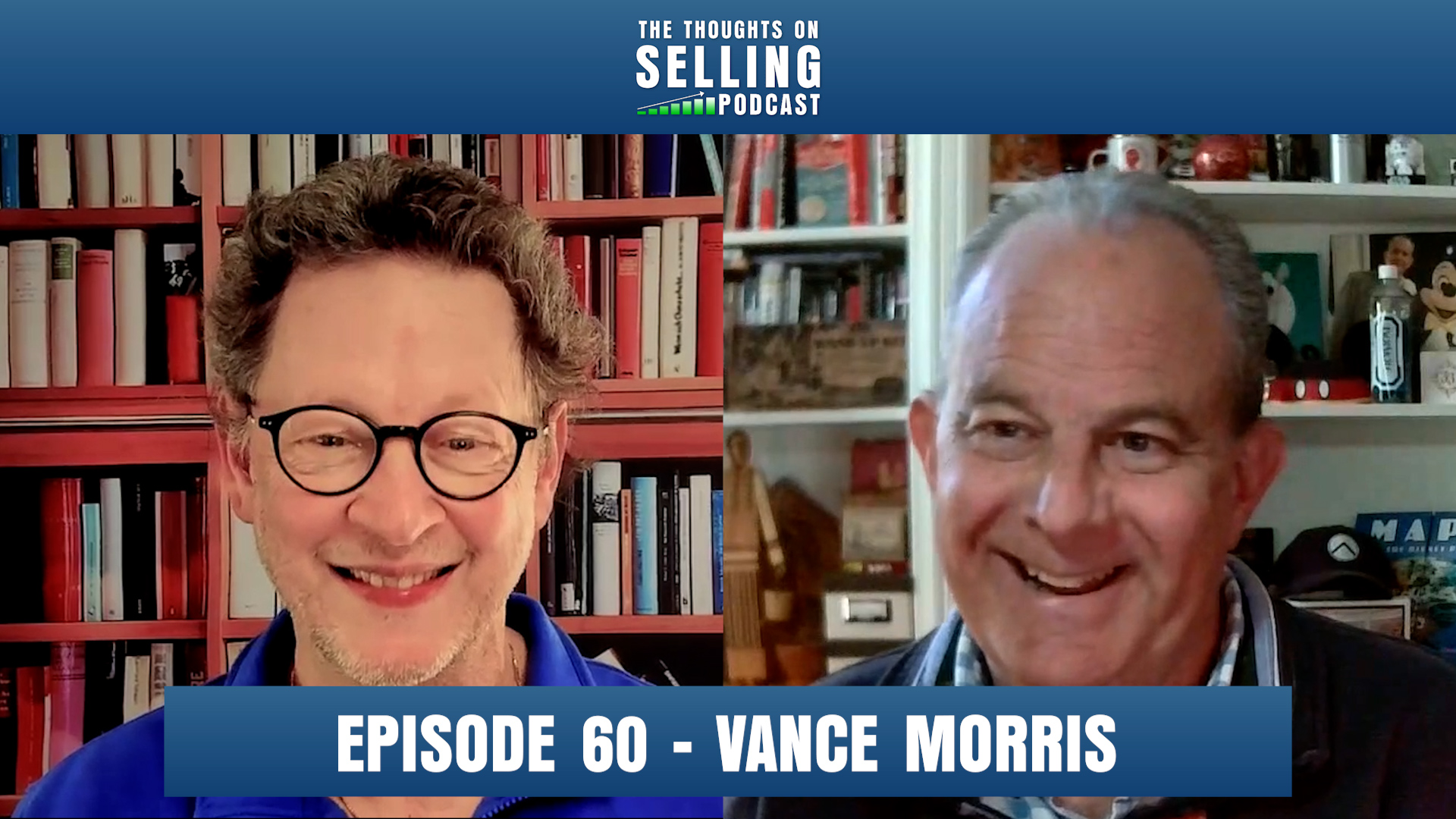
Welcome back to the blog, and for those of you who tuned into our latest podcast episode, welcome back to the conversation! In episode 60: Creating Your Customer Experience: Lessons from Disney and Beyond, we had the incredible Vance Morris join us to dissect the undeniable parallels between the legendary customer experience at Disney and the world of sales. Vance, with his unique journey from rock bands to Disney, and now to revolutionizing customer service in various industries, shared some truly golden nuggets of wisdom. This blog post is dedicated to expanding on those insights, breaking down the core principles Vance shared and demonstrating precisely how they can be leveraged to elevate your sales strategies in today's competitive landscape. We'll delve into the power of systematic processes, the art of crafting unforgettable first and last impressions, and why transforming transactions into genuine experiences is the ultimate key to unlocking sales success.
The Power of Systems: Freeing Up Time for the 'Magic'
One of the most striking takeaways from our conversation with Vance is the foundational role of robust systems in enabling genuine human connection. At Disney, every single aspect of the guest experience, from the moment they enter the park to the time they leave, is meticulously planned, scripted, and systematized. This isn't about creating a rigid, impersonal environment; quite the opposite. These systems are designed to handle the predictable, the routine, and the operational aspects of the business, thereby freeing up the "cast members" – as Disney calls its employees – to focus on what truly matters: creating magical moments for guests. Vance articulated this brilliantly, drawing a direct parallel to the sales world. Think about it: if your lead qualification process is messy, if your CRM is a black hole, or if your follow-up strategy is haphazard, you're constantly in firefighting mode. You're reacting, not proactively strategizing. This leaves very little mental bandwidth for what sales is fundamentally about: building relationships, understanding needs, and providing value. When you have your systems in place – your research protocols, your sales process, your CRM hygiene – you create freedom. This freedom allows you to be present in your conversations, to ask insightful questions, to truly listen, and to deliver a level of personalized attention that distinguishes you from the competition. It's in this freed-up space that you can inject the "magic" into your sales interactions, turning a mundane interaction into a memorable and impactful one. This isn't about replicating Disney's theme parks; it's about adopting their philosophy of operational excellence as a springboard for exceptional service.
Systematizing for Proactive Selling
In sales, "systems" can often sound like dry, corporate jargon. But Vance's point is that these are the scaffolding that supports creativity and authentic connection. Consider the prospect of a complex B2B sale. If your discovery call process is well-defined, with pre-determined questions that probe deeper into pain points, you won't be fumbling for words. You'll have a clear structure that allows you to actively listen and adapt. Similarly, a well-organized CRM ensures that you know exactly where each prospect is in the funnel, what information you've shared, and what the next logical step is. This allows you to proactively suggest relevant solutions or resources, rather than scrambling to remember what you discussed last. The beauty of a strong system is that it becomes invisible to the customer. They don't see the machinery behind the scenes; they experience the seamless delivery of service and value. This, in turn, builds trust and confidence, paving the way for a more successful sales cycle. It's the difference between a chef meticulously preparing ingredients and then improvising a masterpiece, versus a cook throwing random items into a pan and hoping for the best. The former, empowered by their systems, can achieve true culinary (or sales) excellence.
First Impressions and Lasting Memories: Mastering Sales Touchpoints
Disney's obsession with first and last impressions is legendary. From the moment you drive into the parking lot, with its themed music and efficient signage, to the breathtaking fireworks display that caps off the evening, every touchpoint is engineered to create a positive and lasting impression. Vance highlighted this as a critical lesson for salespeople. In our world, the "first touch" isn't a whimsical parade; it's your initial outreach – an email, a phone call, a LinkedIn message, or even your company's website. This is where buyers form their initial judgment about you and your organization. Do you appear professional, knowledgeable, and trustworthy? Or do you come across as generic, disorganized, or worse, desperate? The same principle applies to the "last touch." This isn't necessarily the final closing moment; it's your follow-up after a meeting, your post-purchase communication, or how you handle any post-sale inquiries or issues. These moments are incredibly powerful in solidifying trust and leaving a positive residue in the buyer's mind, even if they don't purchase immediately. It's about creating a narrative arc for your customer's interaction with you.
The Primacy and Recency Effect in Sales
Psychologists refer to the "primacy effect" and the "recency effect." The primacy effect suggests that we tend to remember information presented at the beginning of a list or sequence best. In sales, this means your initial impression is paramount. A well-researched, personalized outreach that demonstrates an understanding of the prospect's business can immediately set you apart. Conversely, a generic, mass-sent email might be deleted before it's even fully read. The recency effect, on the other hand, indicates that we tend to remember information presented at the end of a list or sequence best. In a sales conversation, this translates to how you conclude your interactions. A strong summary of agreed-upon next steps, a clear articulation of the value discussed, or a confident statement of your commitment to helping the client can leave a powerful final impression. Vance’s analogy of Disney’s fireworks is perfect here. It’s the grand finale that people talk about on the drive home. In sales, your closing remarks, your follow-up email, or even a simple thank-you can be your fireworks. They are the lasting memory you imprint on the buyer's mind, influencing their future decisions and their willingness to recommend you.
From Transactions to Experiences: Creating 'Wow' Moments
This is where the true magic of the Disney model, and Vance's advice, truly shines for salespeople. Many sales professionals operate in a transactional mindset. They focus on the deal, the quota, and the closing. While these are important, they miss the profound opportunity to create an experience. Vance shared the powerful example of his carpet cleaning business, where sending a small, thoughtful $5 gift box to every customer resulted in a remarkable 26% increase in higher-tier sales. This isn't about spending a fortune; it's about making the customer feel seen, valued, and delighted. In sales, this can manifest in countless ways. It might be a handwritten thank-you note after a discovery call, sending a relevant article or resource that addresses a specific concern they mentioned, or even sending a "lumpy mail" package that stands out in their physical mailbox. The goal is to create those "wow" moments that make buyers think, "These people are different." They are not just another vendor; they are a partner who goes the extra mile.
The Power of Unexpected Delight
Think about your own experiences as a consumer. Which businesses do you consistently return to? It's rarely the one that simply offers the lowest price. It's the one that provides exceptional service, makes you feel appreciated, and consistently exceeds your expectations. In sales, this translates directly to revenue. When you move beyond a purely transactional approach and focus on creating memorable experiences, you foster deeper connections. These connections lead to increased customer loyalty, higher conversion rates, and even opportunities for upselling and cross-selling. It's about shifting the focus from "what can I sell them?" to "how can I help them succeed and feel great about their decision?" This requires a proactive approach, anticipating needs, and finding small, meaningful ways to add value. It’s the subtle difference between selling a product and selling a solution wrapped in an exceptional service experience. As Vance’s example shows, these small gestures can have an outsized impact on your bottom line.
The Value Proposition: Why Experience Trumps Price
In today's saturated market, a race to the bottom on price is a losing strategy. As Vance emphatically stated, salespeople and businesses that consistently lead with discounts or focus solely on being the cheapest option risk becoming a commodity. When you are perceived as just another provider, the only differentiator left is price. This leads to razor-thin margins, unsustainable business models, and a constant battle for every deal. The true power lies in selling the experience you deliver. Disney doesn't compete on price for its theme park tickets; it competes on the unparalleled experience it offers. Similarly, in sales, you need to confidently articulate the value beyond the price tag. This value encompasses the quality of your solution, the expertise you bring, the ease of doing business with you, and, crucially, the overall experience you provide. When buyers perceive significant value in the experience, price becomes a secondary consideration. They are willing to pay a premium for a solution that is delivered with excellence, integrity, and a genuine commitment to their success.
Selling on Value, Not Just Features
This requires a fundamental shift in how sales professionals are trained and how they approach their conversations. Instead of listing features and benefits, you should be focusing on how your offering solves the buyer's specific problems and contributes to their strategic goals. This involves deep discovery, understanding their unique challenges, and then tailoring your pitch to demonstrate how your experience – your process, your support, your expertise – will deliver superior outcomes. When you can effectively communicate this value, you become indispensable. You're not just selling a product; you're selling a partnership, a solution, and a positive transformation. This allows you to confidently walk away from deals that are solely driven by price, knowing that you are attracting clients who value what you truly offer, leading to more sustainable and profitable relationships.
The Profitability of Loyalty: Retention as a Sales Strategy
This is a crucial point that is often overlooked by sales teams focused solely on acquisition. Vance provided compelling data: it costs significantly more to acquire a new customer than it does to retain an existing one. For his business, it's $135 to get a new customer versus $22 a year to keep one. This highlights a fundamental truth: happy, loyal customers are the bedrock of a profitable sales engine. Too often, sales teams are incentivized to chase new logos, leaving existing customers feeling neglected. This is a strategic error. By focusing on delighting your current customers, you not only ensure their continued business but also unlock their potential as brand advocates. They are more likely to make repeat purchases, upgrade their services, and, most importantly, refer new business to you. These referrals are often higher quality leads and convert at a much higher rate because they come with built-in trust.
Nurturing Relationships for Long-Term Growth
Think of retention not as a customer service function, but as a direct sales strategy. Every interaction with an existing customer is an opportunity to reinforce their decision to work with you and to identify new opportunities. This means proactive check-ins, offering ongoing support, providing value-added content, and actively seeking feedback. It's about continuously demonstrating that you are invested in their success. When you prioritize retention, you build a more predictable and sustainable revenue stream. You also create a powerful flywheel effect, where delighted customers fuel further acquisition through word-of-mouth marketing. This is the essence of building a truly successful and enduring sales organization – one that understands the profound profitability of fostering deep, lasting customer relationships.
Delighting Customers: The ROI of Proactive Problem Solving
Vance used a fantastic metaphor: Disney servers giving FastPasses to stressed-out families. This isn't about fixing a problem that's directly their responsibility. It's about observing a customer's struggle and proactively intervening to alleviate it, even if it's outside their direct job description. This is the essence of "delighting" customers and it has a tangible Return on Investment (ROI) in sales. In sales, this translates to going above and beyond. It means anticipating potential issues before they arise and addressing them. It might be identifying a potential bottleneck in the implementation process and proactively offering a solution, or recognizing that a client might need additional training and offering a supplementary session. It's about solving problems that the customer may not even realize they have yet. This proactive approach builds immense trust, loyalty, and goodwill. Customers feel that you are truly invested in their success, not just in closing the deal. This leads to stronger relationships, larger deal sizes, and a significantly higher lifetime value for those customers.
Empowerment and Proactive Solutions
Empowering your sales team to act on these opportunities is crucial. If your sales reps have the autonomy and the support to resolve minor issues or offer unexpected gestures of goodwill, they can create incredibly powerful moments of delight. This isn't about unauthorized discounts; it's about creative problem-solving and demonstrating a commitment to the customer's overall well-being. The ROI isn't just in immediate sales; it's in the long-term impact on customer satisfaction, advocacy, and brand reputation. Customers who experience this level of proactive care are far more likely to forgive minor hiccups, to remain loyal through challenging times, and to become your biggest cheerleaders. This proactive "wow" factor is a powerful differentiator that consistently pays dividends.
Creative Tactics to Stand Out in Sales
Throughout our conversation, Vance shared a treasure trove of creative tactics that businesses can use to stand out. These ranged from quirky, memorable approaches like using cowbells or sending coffee mailers, to more strategic "getting a foot in the door" ideas like the rubber feet he mentioned. The underlying principle here is that in a crowded marketplace, being boring is a death sentence for sales. Buyers are bombarded with sales pitches every single day. If your approach is generic, predictable, and uninspired, you will blend into the noise. The goal is to be memorable, to be different, and to spark curiosity. This doesn't mean being gimmicky for the sake of it; it means being authentic and finding creative ways to communicate your value and build rapport.
Innovation in Outreach and Engagement
Think about what would make you stop and pay attention. Would it be another generic email, or a package that arrives with a playful note and a small, relevant gift? These creative tactics are about breaking through the clutter and making a human connection. They are designed to elicit a smile, a chuckle, or a moment of intrigue. This, in turn, opens the door for a more meaningful conversation. It signals that you are a business that thinks differently, that cares about its customers, and that is willing to put in the extra effort. Whether it's a personalized video message, a unique piece of direct mail, or an unconventional follow-up strategy, these creative approaches can significantly increase your engagement rates and help you build stronger relationships from the outset. The key is to align these tactics with your brand identity and your overall sales strategy, ensuring they reinforce, rather than detract from, your professional image.
As we wrap up this deep dive into the principles Vance Morris shared in episode 60, it's clear that the "magic" of Disney isn't confined to fairy tales and theme parks. It's a powerful, replicable framework for building exceptional customer experiences that directly translate into sales success. We've explored how systematizing processes frees up our time for genuine connection, why mastering first and last impressions is crucial for building trust, and the profound impact of transforming transactions into memorable experiences. We've also discussed why experience truly trumps price, the immense profitability of customer loyalty, and the tangible ROI of proactive problem-solving. The overarching message is that in today's competitive landscape, salespeople are not just selling products or services; they are selling experiences. By adopting these Disney-inspired principles, you can elevate your sales game, create raving fans, and build a business that not only thrives but also leaves a lasting positive impression. I encourage you to revisit episode 60 for the full, enriching conversation with Vance, and to start applying these transformative ideas to your own sales journey. Become an architect of exceptional sales experiences, and watch your success soar.