Beyond Onboarding: What Sales Enablement REALLY Means
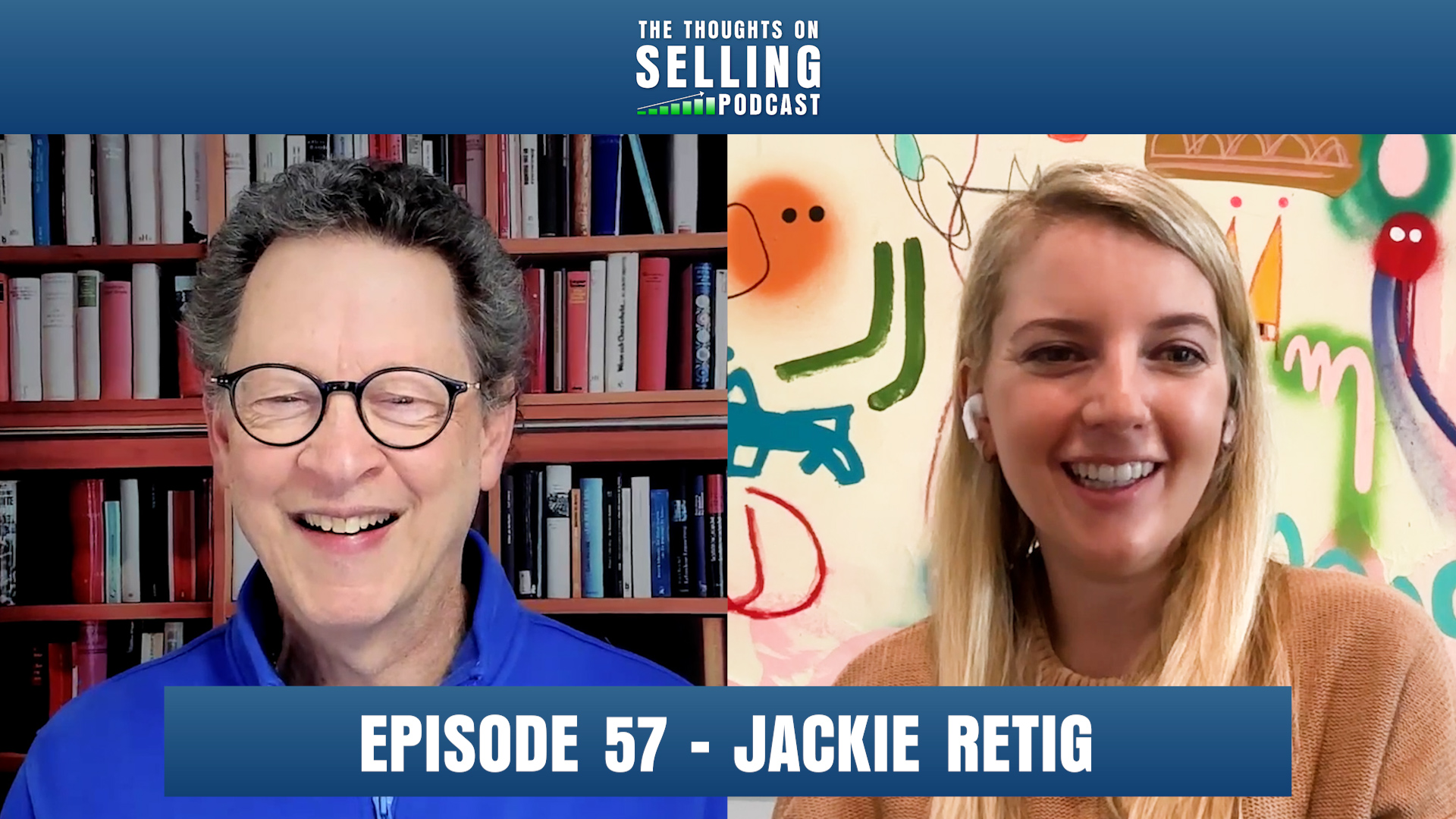
Welcome back to the blog, fellow sales enthusiasts! In our latest episode of the podcast, we dove deep into a topic that often gets misunderstood, or at least, undersold: sales enablement. For too long, the term has been synonymous with the initial onboarding process, a quick sprint to get new hires up to speed before they're thrown into the deep end. But as our guest, Jackie Retig, passionately argued, and as we explored in detail, true sales enablement is a continuous, strategic endeavor, far more than just a checkbox on a HR form. This blog post aims to unpack Jackie's core message that sales enablement is far more than just initial training. We'll explore how it's about creating a sustainable system for consistent, repeatable, and predictable sales performance. If you missed the episode, you can catch up on all the invaluable insights here: 57. Sales Enablement as Force Multiplier. Let's get started!
The True Meaning of Sales Enablement: Beyond Onboarding
The common misconception about sales enablement is that it's a one-and-done event, primarily focused on welcoming new sales representatives into the fold. Think about it: often, the onboarding process involves a whirlwind of information – product training, CRM basics, company culture intros, and maybe a few role-playing exercises. While these are undeniably crucial, they represent just the tip of the iceberg when it comes to what sales enablement truly encompasses. True enablement isn't about getting reps ready to start; it's about equipping them to excel, adapt, and consistently achieve their goals throughout their entire tenure. It’s about building a robust framework that supports every stage of the sales cycle, empowering reps to not just close deals, but to build lasting customer relationships and drive sustainable revenue growth.
Jackie's perspective, which resonated deeply with me, highlights that sales enablement is fundamentally about creating the conditions for success. It’s not about a singular training program, but rather a holistic, ongoing commitment to providing the right people with the right tools, resources, and skills at the right time. This involves understanding the entire buyer's journey, identifying potential roadblocks, and proactively providing solutions. It means fostering a culture of continuous learning and improvement, where sales professionals are empowered to refine their craft, adapt to market shifts, and ultimately, become more effective and efficient in their roles. When we view enablement through this lens, it transforms from a tactical HR function into a strategic driver of business performance.
The Pillars of Effective Sales Enablement: Consistency, Repeatability, Predictability
If sales enablement is more than just onboarding, what are its core components? Jackie and I focused on three interconnected pillars that form the bedrock of effective sales enablement: Consistency, Repeatability, and Predictability. These aren't just buzzwords; they are the north stars for any organization aiming to build a high-performing sales engine.
Consistency means that every customer, regardless of who they interact with on the sales team, receives a similar, high-quality experience. This doesn't imply a rigid, script-driven approach, but rather a shared understanding of core messaging, value propositions, and customer engagement best practices. It’s about ensuring that the company’s brand and value are consistently represented, building trust and credibility with every interaction. When sales teams operate with consistency, it minimizes the impact of individual rep performance fluctuations and creates a more reliable customer experience.
Repeatability builds upon consistency. It signifies that the processes and strategies that lead to success can be replicated by different individuals, in different situations, and over time. This is where the move from "tribal knowledge" to "institutional knowledge" becomes critical. If only a few star performers know how to effectively navigate a complex sales cycle or close a specific type of deal, that knowledge is a bottleneck. Repeatability, fostered through robust enablement, allows best practices to be documented, shared, and scaled, ensuring that the entire team can leverage successful methodologies.
Finally, Predictability is the ultimate outcome of achieving consistency and repeatability. When your sales processes are consistent and repeatable, you gain the ability to forecast revenue with a much higher degree of accuracy. You can predict which initiatives will yield results, where potential bottlenecks lie, and how to scale your sales efforts effectively. This level of predictability is invaluable for strategic planning, resource allocation, and overall business growth. It transforms sales from a somewhat mysterious art form into a more scientific, data-driven discipline.
From Tribal Knowledge to Institutional Knowledge: The Power of Systemization
One of the most significant challenges in building a scalable sales organization is the reliance on what is often termed "tribal knowledge." This is the accumulated wisdom, the "how-to" secrets, and the intuitive understanding that resides within the minds of your most experienced sales reps. While invaluable, tribal knowledge is inherently fragile. It’s concentrated in a few individuals, making it vulnerable to departures, illness, or simply the natural ebb and flow of a team. Furthermore, it's often difficult to codify, articulate, and pass on to new hires or even existing team members who haven't had the same experiences.
This is where sales enablement shines. Its core function, in this context, is to systematically capture, document, and disseminate this invaluable knowledge, transforming it into institutional knowledge. This involves creating clear, accessible resources such as playbooks, best practice guides, call scripts (as frameworks, not rigid mandates), case studies, and competitor analysis documents. It also means leveraging technology to store and organize this information, making it readily available to every member of the sales team. When knowledge is institutionalized, it becomes a shared asset, accessible to all, and less dependent on any single individual.
Systemization is the engine that drives this transformation. It involves building structured processes for knowledge capture, such as regular debriefs with successful reps, post-deal analysis, and feedback loops from the field. This structured approach ensures that valuable insights are not lost but are instead integrated into the fabric of the sales organization. The impact is profound: new reps can onboard faster and become productive sooner, experienced reps can refine their skills and learn from collective wisdom, and the entire team operates with a shared understanding of what works, leading to greater consistency and improved performance.
Transforming Discovery: From Checklist to Co-Creation
The discovery phase of the sales process is often where many enablement efforts fall short. Traditionally, discovery has been viewed as a series of questions to be checked off a list, a way to qualify or disqualify a prospect. However, as Jackie emphasized, the most effective discovery is not about a transactional checklist; it’s about a deep, collaborative process of co-creation. It’s a shift in mindset from "getting information" to "building understanding together."
In a co-creative discovery process, the sales professional acts less like an interrogator and more like a trusted advisor. The goal is to genuinely understand the prospect's challenges, aspirations, and underlying needs. This requires active listening, insightful questioning that probes beyond the surface level, and a willingness to share relevant insights and perspectives that can help the prospect see their own situation more clearly. It’s about building rapport and trust, demonstrating empathy, and positioning yourself as a partner in solving their problems.
Sales enablement plays a critical role in equipping reps for this more sophisticated approach to discovery. This involves training on advanced questioning techniques, active listening skills, and the ability to diagnose complex business problems. It also involves providing reps with frameworks for understanding different customer archetypes and their typical pain points. Furthermore, enablement resources can offer insights into industry trends, competitive landscapes, and best practices that can be shared during the discovery conversation, adding tangible value to the prospect. When discovery is transformed into a co-creative process, it not only leads to more qualified opportunities but also lays the foundation for stronger, more sustainable customer relationships. It moves beyond simply identifying a need to collaboratively defining a solution that truly resonates.
AI as an Assist, Not a Replacement, for Great Selling
The rise of Artificial Intelligence has sparked a lot of conversation, and sometimes apprehension, within the sales community. Will AI replace salespeople? The answer, according to Jackie and my own observations, is a resounding no. Instead, AI should be viewed as a powerful assist, a tool that can augment human capabilities and streamline the more tedious aspects of the sales role, thereby freeing up salespeople to focus on what they do best: building relationships, exercising judgment, and providing strategic counsel.
AI can be incredibly effective in automating tasks such as data entry, lead scoring, market research, and even generating initial drafts of emails or proposals. For example, AI-powered tools can analyze vast amounts of data to identify patterns, predict customer behavior, and suggest personalized outreach strategies. This can significantly reduce the administrative burden on sales reps, allowing them to dedicate more time to direct customer engagement and strategic thinking. Furthermore, AI can provide real-time insights and recommendations during sales calls, acting as a virtual assistant that surfaces relevant information or suggests next best actions.
However, it's crucial to remember that AI lacks the emotional intelligence, empathy, and nuanced understanding that are fundamental to great selling. AI cannot replicate the genuine connection a salesperson builds through authentic conversation, the ability to read subtle cues, or the creative problem-solving that arises from human intuition. Therefore, effective sales enablement must focus on teaching sales professionals how to leverage AI tools strategically, integrating them into their workflow without losing sight of the human element. The goal is to empower salespeople to be more efficient and insightful, using AI to enhance, rather than replace, their unique human talents. The future of selling lies in the symbiotic relationship between intelligent technology and skilled human interaction.
Building Sales Muscle: The Role of Deliberate Practice
Just like an athlete or a musician, a great salesperson doesn't become exceptional overnight. They hone their skills through consistent, focused effort. This is where the concept of deliberate practice, a cornerstone of sales enablement, comes into play. Deliberate practice is not simply repeating an action; it's about engaging in activities that are specifically designed to improve performance, often pushing individuals slightly beyond their current comfort zone.
In the context of sales, deliberate practice might involve structured role-playing sessions where reps practice handling specific objections, delivering compelling value propositions, or conducting effective discovery calls. These aren't casual run-throughs; they are meticulously planned exercises with clear objectives and feedback mechanisms. A coach or a peer might provide constructive criticism, identifying areas for improvement such as tone, pacing, clarity, or persuasive language. The focus is on breaking down complex sales scenarios into smaller, manageable components and practicing each one until mastery is achieved.
Sales enablement programs that incorporate deliberate practice create a safe environment for reps to experiment, make mistakes, and learn from them without the high stakes of a live customer interaction. This builds confidence and resilience. It allows reps to internalize best practices and develop muscle memory for effective sales behaviors. When sales teams engage in regular, focused practice, they are not just improving their individual skills; they are collectively strengthening the entire organization's ability to perform at a high level. This proactive approach to skill development is essential for long-term success and for ensuring that the sales team remains agile and effective in an ever-evolving market.
The Transformational Impact of Sales Enablement on Business Outcomes
Ultimately, the true value of sales enablement lies in its demonstrable impact on tangible business outcomes. When implemented strategically and holistically, it’s not just a cost center; it’s a revenue driver and a catalyst for sustainable growth. The pillars of consistency, repeatability, and predictability directly translate into improved key performance indicators across the sales organization.
Consider the impact on revenue. Consistent sales messaging and repeatable processes lead to a higher conversion rates and larger deal sizes. Predictable sales cycles enable more accurate forecasting, which in turn allows for better financial planning and resource allocation. Furthermore, empowered sales teams, equipped with the right knowledge and skills, are more likely to meet and exceed their quotas, leading to increased overall revenue generation. This direct correlation between effective enablement and revenue performance is what makes it such a powerful strategic imperative for any business.
Beyond revenue, sales enablement also drives significant improvements in customer satisfaction and retention. When customers consistently receive excellent service and relevant solutions, their loyalty increases. This not only leads to repeat business but also to valuable word-of-mouth referrals. Moreover, by reducing the reliance on individual "heroics" and standardizing best practices, enablement helps to mitigate the risk associated with sales rep turnover. New hires become productive faster, and experienced reps are empowered to share their knowledge, creating a more stable and high-performing sales force. This transformation from a reactive, inconsistent sales function to a proactive, predictable, and customer-centric powerhouse is the ultimate promise of effective sales enablement.
Conclusion: Embracing Sales Enablement for Scalable Growth
As we wrap up this deep dive, I hope it's become clear that sales enablement is a multifaceted, strategic discipline that extends far beyond the initial onboarding process. It's the engine that drives consistency, repeatability, and predictability in your sales organization, transforming tribal knowledge into institutional wisdom and empowering your teams to co-create value with your customers. It’s about building sales muscle through deliberate practice and leveraging technology, like AI, as a powerful assist rather than a replacement for human ingenuity. The transformational impact on business outcomes, from revenue growth to customer loyalty, is undeniable.
This conversation directly echoes the insights shared in our latest podcast episode, "57. Sales Enablement as Force Multiplier," where Jackie Retig so brilliantly articulated these very principles. If you're looking to build a sales team that can scale, adapt, and consistently deliver exceptional results, then it’s time to embrace a true, comprehensive approach to sales enablement. Thank you for joining me on the blog, and don't forget to tune into the podcast for even more valuable discussions!