Beyond Directives: The Power of Influential Leadership in Manufacturing
Introduction: The Problem with Positional Authority in Manufacturing
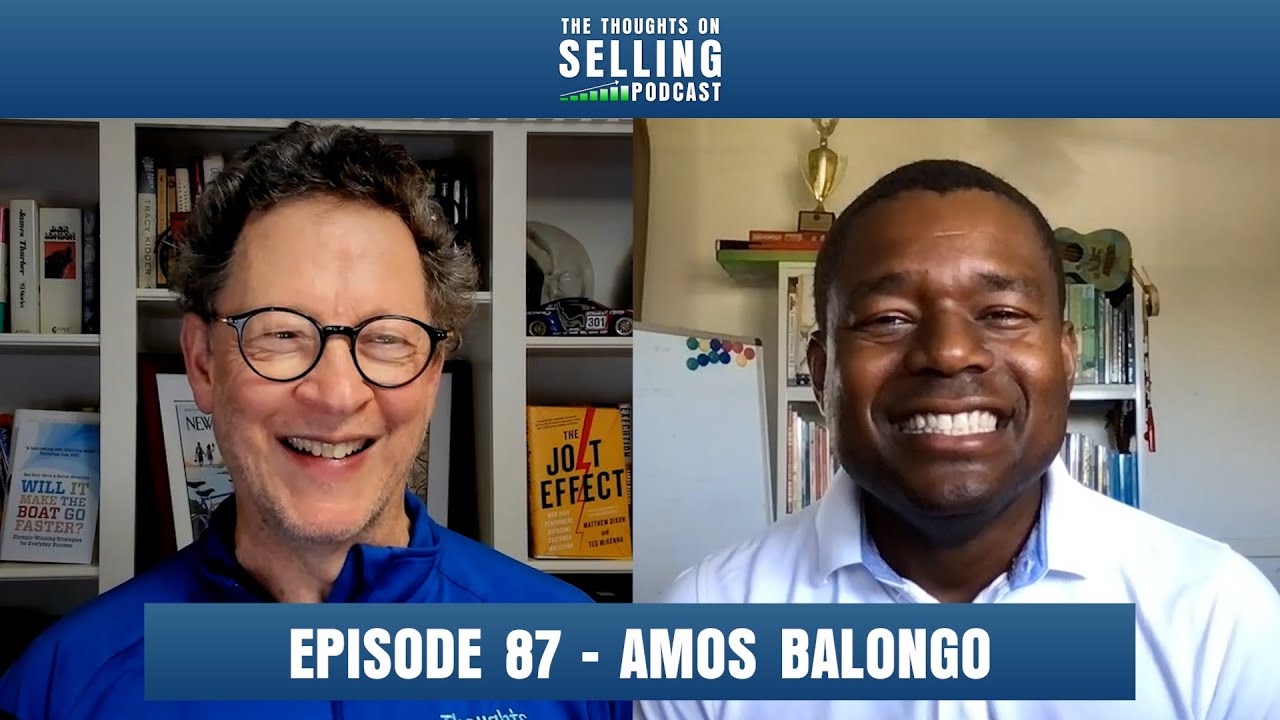
Welcome back to the blog, everyone! This week on the podcast, we had a truly insightful conversation with leadership expert Amos Balongo, a man who is genuinely in the business of "manufacturing leaders." We delved deep into a topic that, frankly, plagues many organizations, especially in the demanding world of manufacturing: the often-unseen gap between strategy and execution. Amos articulated a critical point that resonated deeply: too many leaders rely on what he calls "Positional Leadership." This is where people follow you, not because they believe in your vision or are inspired by your approach, but simply because they have to. Their job depends on it. This kind of authority, while seemingly effective in the short term, yields the bare minimum effort. It’s the difference between someone doing just enough to not get fired and someone going the extra mile because they are invested in the outcome. In this blog post, we're going to unpack the concepts we discussed in our latest episode, "Manufacturing Leaders: From "Positional" Authority to "Influential" Power w/ Amos Balongo," and explore why this shift from positional command to influential leadership is not just beneficial, but essential for superior results in manufacturing.
Positional vs. Influential Leadership: Why Directives Fall Short
Let's face it, in manufacturing, there's a natural inclination towards structure and clear lines of command. The assembly line requires precision, timing, and adherence to protocols. This can sometimes bleed into leadership styles, leading to an over-reliance on directives. Positional leadership is characterized by "I told you so" or "Do this because I said so." While it might get the immediate task done, it rarely fosters a culture of innovation, problem-solving, or genuine engagement. Think about it: when you feel like you're just being told what to do, how motivated are you to go above and beyond? Your focus becomes simply fulfilling the directive, not necessarily understanding its purpose or seeking ways to improve the process. This leads to a workforce that is compliant but not committed. Amos highlighted this beautifully in our discussion; positional leadership often results in the "bare minimum effort" because that's all that's required to meet the directive. There's no inherent drive to excel, to innovate, or to contribute beyond the explicit instruction. This is a significant bottleneck for any manufacturing operation aiming for continuous improvement and competitive advantage. The consequences are often missed opportunities for efficiency gains, a reluctance to flag potential problems until they become crises, and a general lack of ownership among team members. Influential leadership, on the other hand, is about earning the right to be followed. It's about inspiring others, fostering a shared vision, and creating an environment where people *want* to contribute their best. It's built on trust, respect, and a deep understanding of what motivates individuals. In manufacturing, this translates to teams that proactively identify inefficiencies, suggest improvements, and work collaboratively to achieve common goals. It’s about moving beyond simply managing tasks to truly leading people.
The Core of Influential Leadership: Cultivating Buy-In and Collaboration
The fundamental difference between positional and influential leadership lies in how they achieve action. Positional leaders use their authority to compel. Influential leaders use their insights, communication skills, and understanding of human motivation to persuade and align. The core of influential leadership is cultivating buy-in and fostering genuine collaboration. This isn't about being "nice"; it's about being effective. When team members understand *why* a certain task needs to be done, *how* it contributes to the larger objective, and feel that their input is valued, they become invested. This investment is the engine of productivity and innovation. Amos emphasized that this buy-in doesn't happen overnight. It's a continuous process of clear communication, active listening, and demonstrating genuine care for the team's well-being and professional growth. It means creating a safe space for questions, for challenges, and for innovative ideas, even if they initially seem unconventional. In a manufacturing setting, this could mean involving line workers in process improvement discussions, seeking their feedback on new equipment, or empowering them to make small adjustments to optimize their workflow. When you foster this kind of collaboration, you tap into a wealth of knowledge and experience that often resides at the operational level, the very place where efficiency gains are most impactful.
Amos Balongo's Three Pillars: Motivate, Inspire, Transform
Amos introduced a powerful framework for understanding the progression of leadership impact: the three pillars of Motivate, Inspire, and Transform. This isn't just about giving a rousing speech; it's a nuanced approach to driving sustainable change and performance.
Motivate
Motivation, as Amos pointed out, is often an "outside job." This is where you create the conditions that encourage action. This might involve setting clear goals, offering incentives, or providing the necessary resources. In manufacturing, motivation could be tied to productivity bonuses, recognition programs for safety records, or ensuring that employees have the tools and training they need to perform their jobs effectively. However, motivation alone is often temporary. It’s the initial spark, but it needs more to become a sustainable fire.
Inspire
Inspiration, on the other hand, is an "inside job." This is where you connect with individuals on a deeper level, tapping into their intrinsic drivers and passions. It’s about painting a compelling vision, articulating the purpose behind the work, and helping people see how their contributions make a difference. When you inspire your team, they don’t just do the job; they *believe* in the job. They feel a sense of pride and purpose. In manufacturing, this means connecting the daily grind of the assembly line to the company's mission, the impact on the customer, or the overall contribution to the industry. It’s about making people feel like they are part of something bigger than themselves.
Transform
The final pillar, Transform, is where the real magic happens. Inspiration alone, without a clear path forward, can be fleeting. Transformation involves providing the actionable steps, the guidance, and the support that allows inspired individuals to multiply their results. It's about empowering them to take ownership, to develop new skills, and to innovate. Amos stressed that leaving a team just "inspired" is a wasted opportunity. You need to provide the framework, the tools, and the ongoing encouragement for that inspiration to translate into tangible, significant change. In a manufacturing context, this could involve leadership development programs, cross-training initiatives, or creating innovation hubs where teams can experiment with new processes and technologies. Transformation is the culmination of motivation and inspiration, leading to sustained high performance and continuous improvement.
The Power of Simplicity: Mobilizing Teams with Clear Plans
One of the most striking points from our conversation with Amos was the emphasis on simplicity in mobilizing teams. He stated, "Complexity impresses, but simplicity mobilizes. If your team can't understand the plan, they can't act on it." This is a profound truth, especially in high-pressure manufacturing environments. Leaders often fall into the trap of overcomplicating their strategies or directives, believing that a detailed, complex plan demonstrates expertise. However, the reality is that complex plans are often ambiguous, difficult to follow, and ultimately lead to confusion and inaction. For manufacturing teams, clarity is paramount. A clear plan means unambiguous goals, straightforward procedures, and easy-to-understand metrics. It means cutting through the jargon and focusing on what needs to be done, why it needs to be done, and how success will be measured. When a plan is simple and clear, team members can grasp it quickly, take ownership, and execute with confidence. This fosters a sense of agility and responsiveness, allowing teams to adapt to changing demands and opportunities. Trying to implement a convoluted strategy on the shop floor is a recipe for disaster. It breeds frustration, reduces efficiency, and erodes trust. Influential leaders, therefore, are masters of clear communication. They can distill complex ideas into simple, actionable steps that resonate with every member of the team, from the newest hire to the seasoned supervisor.
Situational Leadership: Tailoring Your Approach for Maximum Impact
Amos also touched upon the critical concept of Situational Leadership. This isn't a one-size-fits-all approach. It’s about recognizing that different individuals and different situations require different leadership styles. What works for a seasoned engineer on a complex project might not work for a new trainee on a repetitive task. Being an effective influential leader means being adaptable and being able to assess the needs of your team members and the demands of the task at hand. This means understanding the readiness levels of your team members – their competence and commitment. For a highly competent and committed individual, you might delegate and empower. For someone who is new to a task and lacks confidence, you might need to provide more direction and support. The key is to adjust your behavior accordingly. Amos's point about not sending 5:00 AM texts to the wrong people perfectly illustrates this. It's about choosing the right communication channel and the right message for the right person at the right time. This thoughtful approach demonstrates respect for the individual and maximizes the likelihood of a positive and productive outcome. In manufacturing, where diverse skill sets and experience levels are the norm, mastering situational leadership is crucial for fostering a cohesive and high-performing team.
Actionable Takeaways for Manufacturing Leaders: Auditing Your Style
So, what can you, as a manufacturing leader, take away from this discussion? Amos provided three actionable takeaways that are incredibly relevant:
1. Audit Your Leadership Style: Are You Positional or Influential?
This is the foundational step. Ask yourself honestly: when you give an instruction, are people following because they have to, or because they understand and believe in the objective? Do you find yourself frequently saying, "Didn't I tell you to do this?" If so, you're likely relying on your position, not your influence. Influential leaders invite participation. They ask questions, solicit feedback, and foster a sense of shared ownership. Start by observing your interactions. Are you issuing commands or fostering dialogue?
2. The "Motivate-Inspire-Transform" Framework: Don't Stop at Motivation.
Recognize that motivation is just the starting point. To achieve lasting results, you need to move beyond external incentives and tap into the internal drive of your team. How can you inspire them by connecting their work to a larger purpose? And crucially, how can you empower them to transform that inspiration into tangible actions and multiplied results? This means providing the roadmap and the support for growth and innovation.
3. Be Bold, Brief, & Strategic: Get Buy-In and Own Your Ideas.
If you struggle to get executive buy-in or find your ideas are being co-opted, it's time to refine your communication. Executives are busy. They need information presented concisely and effectively. Be bold in your proposals, brief in your delivery, and strategic in your thinking. Cut the unnecessary stories and focus on the core message and its impact. This will help you land your message and ensure your contributions are recognized.
Conclusion: Building a Culture of Influence for Superior Results
The journey from positional authority to influential leadership is not just a theoretical concept; it's a practical necessity for any manufacturing organization striving for excellence. As we explored in our latest podcast episode, "Manufacturing Leaders: From "Positional" Authority to "Influential" Power w/ Amos Balongo," relying solely on directives breeds mediocrity. True leadership lies in the ability to motivate, inspire, and ultimately transform your teams. By understanding the core principles of influential leadership, embracing simplicity in communication, and tailoring your approach through situational awareness, you can cultivate a culture where buy-in and collaboration are the norm. This shift empowers your people, unlocks their full potential, and drives the superior results that are essential for success in today's competitive manufacturing landscape. It’s about building leaders within your organization who don't just manage tasks, but who truly lead people. Thank you for reading, and we hope this post provides valuable insights for your own leadership journey.