Authenticity vs. Persuasion: The Secret to Lifelong Customer Relationships
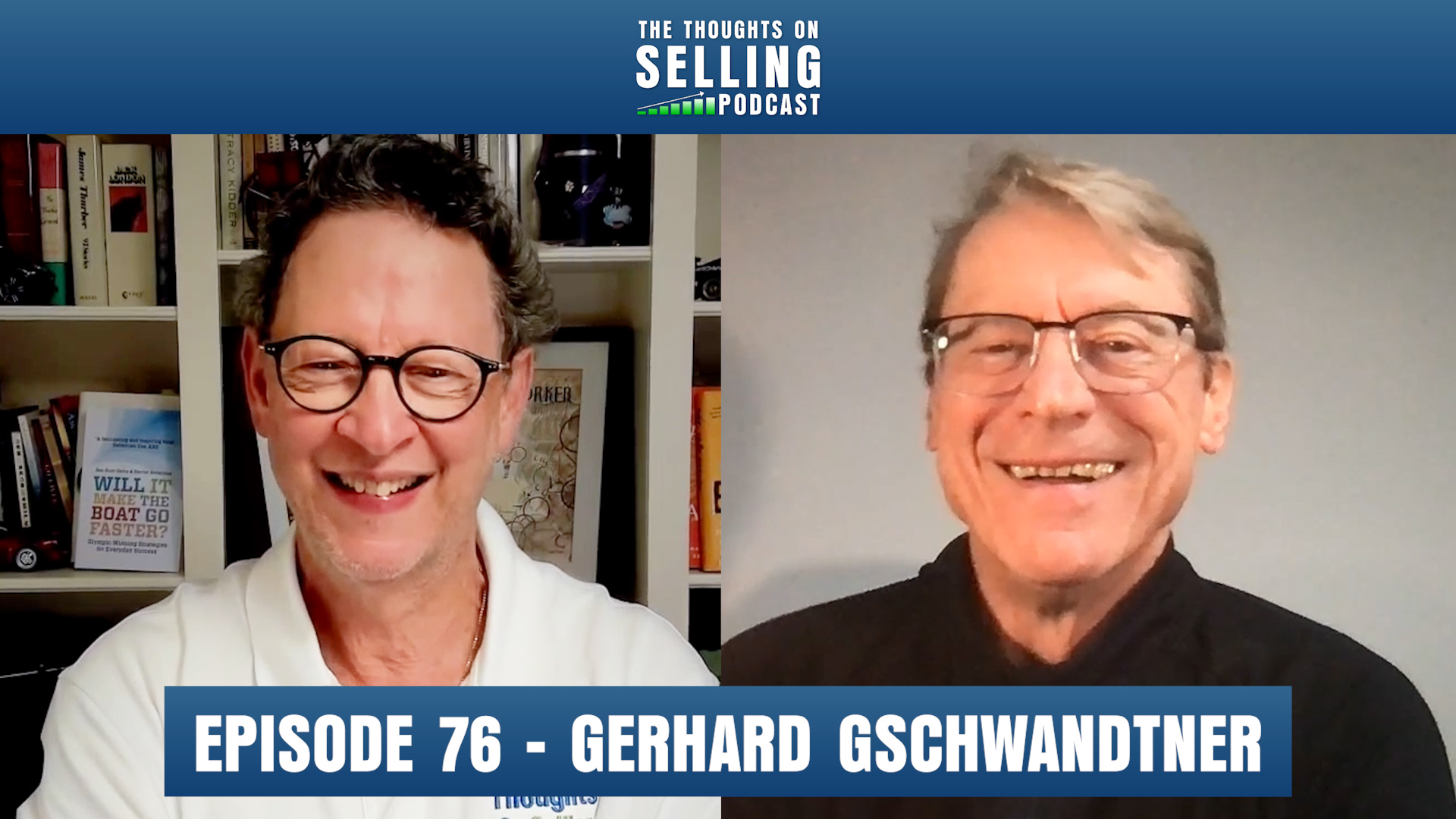
Welcome back to the blog! In our latest episode of the podcast, "Who Are You? The Most Important Question in Sales!", we delved deep into the core of what makes a successful and, more importantly, a sustainable sales career. Today, I want to expand on those ideas, particularly the profound difference between simply persuading someone and genuinely connecting with them through authenticity. In a world often obsessed with quick wins and closing deals at any cost, the true secret to building lasting customer relationships lies not in slick tactics, but in being resolutely, unapologetically yourself. This post will explore why honesty, even when it’s hard, cultivates deeper trust and fosters unwavering customer loyalty, turning one-time buyers into lifelong advocates.
The Duality of Selling - Authenticity vs. Persuasion
For as long as there have been transactions, there have been two primary approaches to facilitating them: persuasion and authenticity. Persuasion, in its most aggressive form, is about convincing someone to do something they might not otherwise do, often by highlighting benefits, downplaying drawbacks, or employing psychological triggers. It’s the art of the close, the push, the forceful nudging towards a decision. On the other hand, authenticity in selling is about being transparent, honest, and genuine. It’s about understanding the customer’s true needs and offering solutions that genuinely align, even if that means admitting a product isn't the perfect fit or that a competitor might be a better option. It’s about building a relationship on a foundation of trust, not manipulation. The tension between these two approaches is as old as commerce itself, and the debate over which yields better results has raged for generations. However, in today's hyper-connected and informed marketplace, the long-term efficacy of aggressive persuasion is increasingly being called into question, while the enduring power of authenticity is becoming more evident than ever.
The Most Important Sales Question: 'Who Are You?'
This question, which formed the bedrock of our recent podcast episode, is not just a philosophical musing; it is the fundamental starting point for any salesperson aspiring to build genuine, lasting relationships. Before you can effectively sell a product or service, before you can understand your customer's needs, you must first understand yourself. Who are you as a professional? What are your values? What drives you? What are you passionate about? Without this self-awareness, any attempt at connection will feel hollow, any pitch will lack conviction, and any relationship will be built on shaky ground. It’s the difference between reciting a script and speaking from the heart. When you are clear on your own identity, your purpose, and your values, you project an aura of confidence and integrity that is inherently persuasive in a way that no aggressive tactic can replicate. This self-knowledge allows you to connect with customers on a human level, fostering trust and mutual respect, which are the cornerstones of any enduring relationship.
Understanding Your Mindset: Implanted, Imprinted, and Inspired
As discussed in our podcast, our approach to selling is deeply rooted in our mindset. Gerhard Gschwandtner, a true pioneer in the sales industry, highlights three distinct lenses through which we can view our professional lives: implanted, imprinted, and inspired. An implanted mindset is one that has been directly programmed by others – perhaps parents, teachers, or early mentors, often carrying with it a set of beliefs and limitations that may not be our own. An imprinted mindset is shaped by our experiences, the environment we grew up in, and the societal norms we’ve absorbed. It’s the unconscious absorption of information and behaviors. Finally, an inspired mindset is one that is consciously cultivated, driven by curiosity, a desire for growth, and a deep understanding of one's own purpose. This is the mindset of true authenticity. It's about questioning the implanted and imprinted beliefs, actively seeking knowledge, and aligning your actions with your core values. To achieve genuine authenticity in sales, we must strive to move from an implanted or imprinted mindset towards an inspired one, where our actions are driven by a clear sense of purpose and an unwavering commitment to ethical practice. This internal shift is crucial because it allows us to present ourselves and our offerings with genuine conviction, rather than simply going through the motions.
The Genesis of Sales Enablement: Beyond the Software
It’s fascinating to consider how the concept of "sales enablement" has evolved. Today, we often associate it with sophisticated software platforms and digital tools. However, as highlighted in our conversation with Gerhard, the true genesis of sales enablement predates all of this by decades. Long before CRM systems and AI-powered analytics, pioneers in the sales field were already implementing practices that we now recognize as best-in-class enablement. This included creating immersive customer tours, developing training modules and vignettes that resonated with real-world scenarios, and fostering user groups that allowed for shared learning and best practices. These were not just administrative tasks; they were strategic initiatives designed to equip salespeople with the knowledge, skills, and resources they needed to effectively serve their customers. The core idea was always about empowering the sales professional to be better prepared, more knowledgeable, and more effective in their interactions. The underlying principle remains the same: true sales enablement is about fostering an environment where salespeople can be their most authentic and effective selves. It's about providing the tools and support that allow them to focus on building relationships and solving problems, rather than getting bogged down in administrative minutiae. This focus on empowering the individual salesperson, rather than just providing them with technology, is what truly distinguishes effective sales enablement.
Why Authenticity Trumps Persuasion in Building Trust
In the realm of sales, trust is the ultimate currency. Aggressive persuasion tactics might yield short-term gains, but they rarely build lasting trust. When a customer feels pressured, manipulated, or deceived, their trust erodes rapidly. Conversely, authenticity – being honest, transparent, and forthright, even when it's difficult – builds a foundation of deep and abiding trust. Imagine a salesperson who, instead of pushing a product that might not be the best fit, admits that a competitor’s offering might be more suitable for a specific need. This act of honesty, though seemingly counterintuitive from a short-term sales perspective, can create an immense sense of goodwill and respect. The customer is more likely to remember this salesperson as someone they can rely on, someone who has their best interests at heart. This can lead to repeat business, referrals, and an unshakeable sense of loyalty that no amount of persuasive rhetoric can buy. Authenticity demonstrates integrity and character, qualities that are universally valued. When customers perceive you as genuine, they are more willing to open up about their needs, share their challenges, and ultimately, form a deeper connection with you and your brand. This connection transcends mere transactional value and fosters a sense of partnership, where the salesperson becomes a trusted advisor rather than just a vendor.
Navigating the AI Landscape: A Tool, Not a Crutch
The advent of artificial intelligence has introduced a new layer of complexity and opportunity into the sales world. AI can be an incredibly powerful tool, assisting with everything from data analysis and lead qualification to personalized outreach and predictive forecasting. It can significantly enhance preparation, allowing salespeople to enter conversations with a deeper understanding of their prospects' needs and potential challenges. However, it is crucial to view AI as just that – a tool, not a crutch. The danger lies in allowing AI to replace genuine human connection, critical thinking, and authentic engagement. If AI is used solely to automate persuasive messages or to bypass the crucial process of understanding the customer's individual context, it can lead to a loss of authenticity and erode trust. The true value of AI in sales lies in its ability to augment human capabilities, freeing up salespeople to focus on what they do best: building relationships, understanding nuanced needs, and offering genuine solutions. When wielded wisely, AI can elevate the salesperson’s ability to be authentic and effective. When misused, it can create a veneer of efficiency that masks a fundamental lack of genuine connection. The key is to leverage AI to enhance preparation and insight, not to substitute for empathy and authentic human interaction. The goal is to use AI to become a better, more informed salesperson, not to become a robot selling to other robots.
The Power of 'Why': Fueling Your Sales Journey
Ultimately, what drives sustained success in sales, and indeed in any endeavor, is a powerful "why." This is the intrinsic motivation, the underlying purpose that fuels our efforts, especially when faced with challenges. As Gerhard eloquently puts it, "the bigger the why, the bigger the try – and the easier the how." When you have a clear and compelling reason for what you do – whether it's a passion for helping others, a belief in your product's ability to solve real problems, or a desire to make a meaningful impact – it permeates every interaction. This 'why' is the engine of authenticity. It's what allows you to remain steadfast in your values, to speak with conviction, and to connect with customers on a deeper, more meaningful level. It’s the difference between selling for a commission and selling because you genuinely believe you can make a positive difference in someone's life or business. This powerful sense of purpose also makes the 'how' – the actual process of selling – feel less like a chore and more like a fulfilling contribution. When your 'why' is strong, overcoming obstacles and navigating the complexities of sales becomes more manageable because you are driven by something greater than immediate personal gain. It’s this intrinsic motivation that allows authenticity to shine through, building trust and fostering those coveted lifelong customer relationships.
In conclusion, our exploration of authenticity versus persuasion in sales, inspired by our latest podcast episode, "Who Are You? The Most Important Question in Sales!", underscores a timeless truth: genuine connection trumps manufactured influence. The journey to becoming a truly successful salesperson isn't paved with clever tricks or high-pressure tactics, but with self-awareness, integrity, and a commitment to honest communication. By understanding our own mindset, leveraging tools like AI judiciously, and anchoring ourselves in a powerful 'why,' we can move beyond superficial persuasion to cultivate deep, lasting relationships built on a foundation of trust. Authenticity, in its purest form, is not just a strategy; it's the secret ingredient to becoming a trusted advisor, a valued partner, and ultimately, a seller who fosters lifelong customer advocacy. Remember, the most effective sales technique is often simply being a genuine human being, dedicated to understanding and serving others. It's a lesson that echoes through the history of selling and remains as relevant today as it will be tomorrow.