Authenticity in Sales: Moving Beyond 'Coin-Operated' to Client-Obsessed
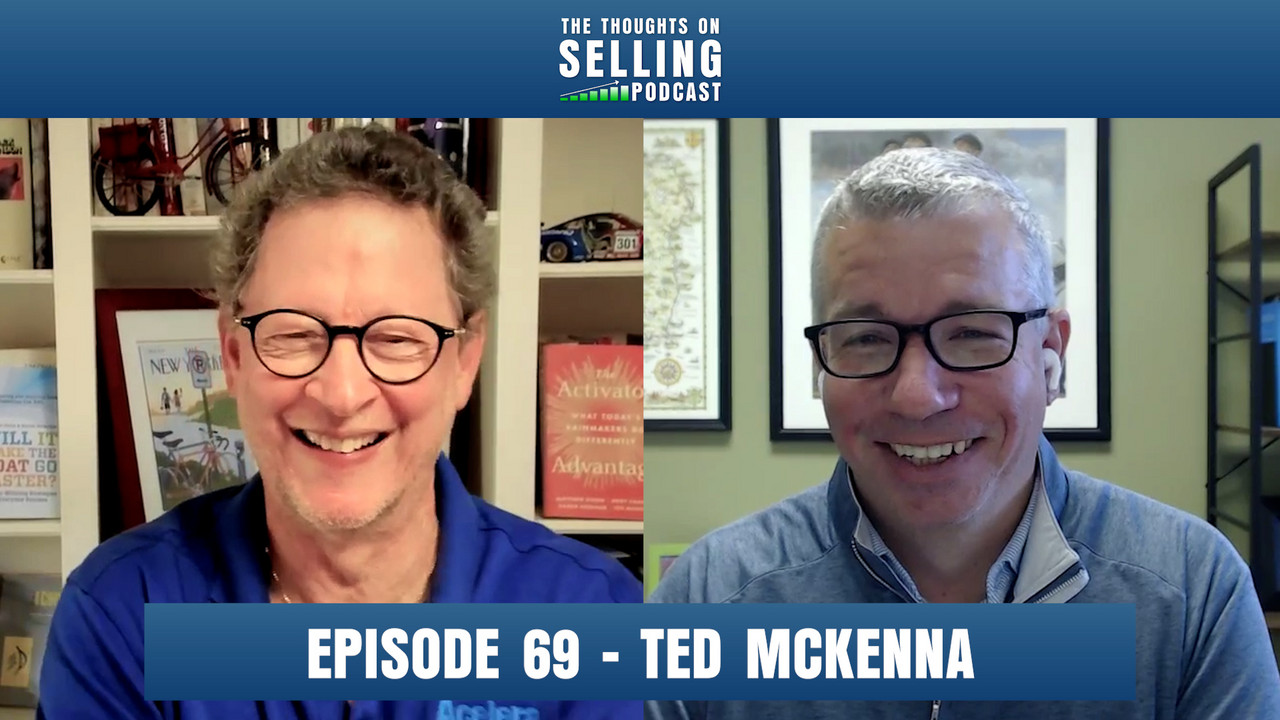
Welcome back to the blog, where we dive deeper into the conversations that shape our podcast! In this week's episode, we explored a fundamental shift happening in the world of sales, a shift that's moving us away from transactional approaches and towards something far more meaningful: genuine client care. If you missed the episode, you can catch up right here: 69. Empathy, Insight, and Action: Ted McKenna on the New Sales Playbook. In that episode, we had the immense pleasure of speaking with Ted McKenna, a true luminary in sales research and frameworks like The Challenger Sale, The JOLT Effect, and The Activator Advantage. Our discussion revolved around the evolving dynamics of B2B sales and what truly separates top performers from the rest. This blog post is dedicated to unpacking the core theme that emerged: the paramount importance of authenticity in building lasting client relationships and driving sustainable sales success.
The Shifting Landscape of Sales and the Rise of Authenticity
The sales landscape has undergone a seismic transformation. Gone are the days when a smooth talker with a product catalog could easily close deals. Buyers today are more informed, more empowered, and frankly, more skeptical than ever before. They have access to an unprecedented amount of information, from peer reviews and competitor analyses to detailed product specifications and pricing comparisons. This democratization of information has fundamentally altered the power dynamic between buyer and seller. What was once a knowledge asymmetry is now a landscape where the buyer often arrives at the initial engagement with a significant understanding of their needs and potential solutions.
In this new era, a sales approach that prioritizes the quick transaction – what we're calling 'coin-operated' selling – is not just outdated; it's actively detrimental. Buyers can readily detect when a salesperson's primary motivation is their commission or quota, rather than the client's genuine success. This lack of perceived authenticity breeds distrust, erodes relationships, and ultimately, leads to lost opportunities. The modern buyer isn't looking for someone to simply take their money; they're looking for a trusted advisor, a strategic partner who understands their business and can help them navigate complex challenges.
This is where authenticity becomes the bedrock of successful selling. It’s about genuine curiosity, a commitment to understanding the client's world, and a willingness to offer solutions that truly align with their objectives, even if it means sometimes walking away from a deal that isn't the right fit. Authenticity isn't a tactic; it's a foundational principle that permeates every interaction, from the initial outreach to post-sale support.
Why 'Coin-Operated' Selling No Longer Works in Today's Market
'Coin-operated' selling is characterized by a focus on closing the deal at all costs, often by employing manipulative tactics, high-pressure salesmanship, or prioritizing short-term gains over long-term client value. Think of the stereotypical used car salesman, more interested in moving inventory than ensuring the customer drives away in a vehicle that truly meets their needs and budget. In today's interconnected world, this approach is a recipe for disaster.
Here's why 'coin-operated' selling is on its last legs:
- Informed Buyers: As mentioned, buyers have access to more information than ever before. They can easily research products, services, and companies. They can read reviews, compare features, and understand market pricing. This means they're less susceptible to exaggerated claims or misleading information.
- Digital Footprint: Every interaction leaves a digital footprint. Negative experiences, aggressive sales tactics, or a lack of genuine care can quickly be shared online through reviews, social media posts, or word-of-mouth. This can severely damage a salesperson's and a company's reputation.
- Relationship-Centric Buying: Modern B2B buying is increasingly about building strong, collaborative relationships. Buyers want to work with people they trust, people who understand their business and are invested in their success. 'Coin-operated' selling undermines this fundamental need for trust.
- Focus on Value, Not Just Features: Buyers are looking for solutions that deliver tangible value and solve their specific problems. A transactional salesperson often focuses on pushing features without a deep understanding of how those features translate into client benefits.
- The 'No Decision' Dilemma: One of the most significant findings from Ted McKenna's research, discussed in our podcast episode, is the prevalence of deals ending in 'no decision.' This often happens when buyers feel overwhelmed, uncertain, or simply don't see a clear, compelling reason to move forward. 'Coin-operated' selling exacerbates this by failing to provide the clarity and confidence needed to make a decision.
When sales efforts are perceived as purely transactional, they fail to address the deeper needs and motivations of the buyer. The focus shifts from problem-solving and value creation to merely completing a sale, which ultimately leaves both parties feeling unfulfilled.
The Power of Genuine Client Care: Moving Beyond Transactions to True Partnerships
In stark contrast to the 'coin-operated' model, genuine client care is about building something more sustainable and mutually beneficial: a true partnership. This approach is characterized by a deep commitment to understanding the client's world, their challenges, their aspirations, and their mission. It's about moving beyond the surface-level transaction and investing in the client's long-term success.
Here's what genuine client care looks like in practice:
- Deep Understanding: It starts with active listening and asking insightful questions to truly grasp the client's business, industry, and specific pain points. It’s about empathy – putting yourself in their shoes and understanding their perspective.
- Problem-Solving Focus: Instead of pushing a product, the focus is on identifying and solving the client's problems. This might involve recommending solutions that aren't even yours, demonstrating a commitment to their best interests.
- Value Creation: The goal is to deliver tangible value that goes beyond the immediate purchase. This could be through insights, guidance, connections, or ongoing support that helps the client achieve their business objectives.
- Building Trust and Rapport: Authentic care fosters trust. When clients believe you genuinely care about their success, they are more likely to open up, share their challenges, and rely on your expertise.
- Long-Term Perspective: True partnerships are built on a foundation of long-term relationships. The focus isn't on a single sale but on becoming a trusted advisor who can support the client's growth and evolution over time.
When you adopt a client-obsessed approach, you shift from being a vendor to becoming an indispensable part of their ecosystem. This isn't just about making more sales; it's about building a reputation, fostering loyalty, and creating a sustainable business that thrives on genuine connection and mutual success.
Lessons from Ted McKenna: Data, Anthropology, and the 'No Decision' Dilemma
Our conversation with Ted McKenna provided invaluable insights into the modern sales environment, grounded in robust data and a deep understanding of human behavior – what he terms "sales anthropology." One of the most striking revelations was the sheer volume of deals that falter, not because of competitor wins, but because they end in a "no decision." This is a critical point that traditional sales methodologies often overlook.
Ted's research, which analyzed millions of sales calls, revealed that buyers are increasingly paralyzed by choice and the fear of making the wrong decision. They have access to so much information that they can become overwhelmed. This paralysis is often a result of not clearly understanding the problem or not seeing a compelling, differentiated path forward. The 'coin-operated' approach, with its focus on features and quick closes, does little to alleviate this paralysis; in fact, it can exacerbate it.
The key takeaway here is that effective selling in today's world requires more than just presenting a solution. It demands that sellers act as guides, helping buyers navigate the complexity of their own decision-making process. This involves:
- Uncovering the Real Problem: Digging deeper than the stated need to understand the root cause of the client's challenge.
- Creating Urgency and Clarity: Helping the buyer understand the cost of inaction and providing a clear, compelling vision for how the solution will address their needs.
- Reducing Perceived Risk: Addressing the buyer's anxieties and concerns about making a change.
Ted’s work underscores that the 'no decision' outcome is not a failure of the product, but often a failure of the sales process to adequately guide the buyer through their internal deliberations.
Applying the JOLT Effect: Guiding Buyers Through Information Overload
Building on the insights from the 'no decision' dilemma, Ted McKenna and his colleagues developed the JOLT Effect framework. This framework is designed to help sellers combat information overload and guide buyers toward confident decision-making. The acronym JOLT stands for:
- Judge: Assess the buyer's situation and their level of receptiveness.
- Orient: Understand the buyer's perspective and frame your approach accordingly.
- Lead: Take control of the conversation and guide the buyer toward a clear path.
- Take the Next Step: Clearly define and drive towards the next actionable item.
The 'JOLT Effect' recognizes that in today's information-rich environment, buyers can easily become overwhelmed. Simply inundating them with more data – endless decks, brochures, and case studies – is counterproductive. Instead, sellers need to act as curators and navigators. This means:
- Being Selective with Information: Providing only the most relevant and impactful information, tailored to the buyer's specific needs and stage of the buying process.
- Framing Information Effectively: Presenting information in a way that directly addresses the buyer's challenges and highlights the unique value proposition.
- Focusing on Insight, Not Just Data: Moving beyond raw data to provide actionable insights that help the buyer understand the implications and opportunities.
- Empowering Decision-Making: Helping the buyer build their internal business case and feel confident in their choice.
The JOLT Effect is a powerful tool for anyone looking to move beyond transactional selling and become a trusted advisor. It's about empowering buyers by simplifying complexity and providing clarity, rather than adding to their confusion.
Unlocking the 'Activator Advantage': Building Trust and Delivering Consistent Value
The JOLT Effect helps manage the buying process, but what about the sellers themselves? The concept of the 'Activator Advantage,' another key framework discussed in our podcast, sheds light on what distinguishes the highest performers. Activators are sellers who consistently drive business forward, build deep, "zipper" relationships (meaning relationships that connect deeply at multiple levels within an organization), and continuously flow value across their networks.
The 'Activator Advantage' is built on three core pillars:
- Consistent Business Development: Activators don't wait for leads to come to them. They proactively engage in activities that generate new opportunities, whether through networking, content creation, or targeted outreach.
- Building Zipper Relationships: This is about moving beyond a single point of contact within a client organization. Activators cultivate relationships across different departments and levels, understanding the broader organizational dynamics and building a robust network of champions.
- Flowing Value Across Networks: Activators are not just recipients of information; they are conduits of value. They connect people, share insights, and offer support that benefits their entire network, not just their direct clients. This creates a reciprocal flow of goodwill and opportunity.
For sales professionals aiming for authenticity, embodying the 'Activator Advantage' means shifting from being a reactive order-taker to a proactive value-creator. It’s about building a reputation as someone who is knowledgeable, connected, and genuinely invested in the success of others. This consistent delivery of value, even outside of immediate sales opportunities, builds immense trust and positions the activator as a go-to resource.
Addressing the Emotional Side of Sales: Beyond Discounts to Risk Mitigation
One of the most profound insights from our conversation with Ted McKenna was the realization that discounts rarely move deals. While they might seem like a quick fix, they often fail to address the true underlying reasons for hesitation. Instead, what truly influences buying decisions, especially in complex B2B environments, is the emotional aspect of risk. Buyers are acutely aware of the potential career repercussions of making a poor purchasing decision.
This is where authentic selling truly shines. Instead of resorting to price reductions, effective sellers focus on mitigating risk for the buyer. This involves:
- Understanding the Buyer's Stakes: Recognizing that a bad decision can have significant consequences for the buyer's reputation, job security, and career advancement.
- Providing Social Proof and Case Studies: Demonstrating how other similar organizations have successfully implemented the solution and achieved positive outcomes.
- Offering Guarantees and Support: Providing assurance through robust service level agreements, implementation support, and clear escalation paths.
- Building Confidence and Trust: Being a reliable and knowledgeable partner who can guide the buyer through potential pitfalls and provide ongoing reassurance.
- Focusing on ROI and Long-Term Value: Clearly articulating how the investment will deliver a strong return and contribute to the buyer's strategic objectives, thereby de-risking the decision.
When you can effectively address the emotional drivers of a buyer, particularly their fear of failure, you build a much stronger case for your solution than any discount ever could. This empathetic approach, rooted in understanding and mitigating risk, is a hallmark of authentic, client-obsessed selling.
The 'Client-Obsessed' Approach: Aligning Your Sales with Customer Missions
Ultimately, all these principles converge on a single, powerful concept: the 'client-obsessed' approach. This is not about simply pleasing the customer; it's about deeply understanding and aligning with their true mission and objectives. When you are truly client-obsessed, your sales efforts are not about pushing a product; they are about helping your clients achieve their most ambitious goals.
This involves:
- Deep Dive into Customer Missions: Actively seeking to understand what drives your clients, what their ultimate vision is, and what success looks like for them.
- Seeing Beyond the Transaction: Recognizing that your role extends beyond the immediate sale to contributing to their ongoing success.
- Becoming a Strategic Partner: Position yourself as a valuable resource who can offer insights, guidance, and solutions that directly support their mission.
- Measuring Success by Client Outcomes: Shifting your own definition of success from closed deals to the tangible positive impact you have on your clients' businesses.
- Building Long-Term Relationships: Cultivating loyalty and advocacy by consistently demonstrating your commitment to their mission.
A client-obsessed approach means that your sales process is intrinsically linked to the client's journey. You are not just selling a product or service; you are facilitating their progress, helping them overcome obstacles, and enabling them to achieve what they set out to do. This level of alignment fosters unparalleled trust, loyalty, and ultimately, leads to more sustainable and impactful sales success.
Conclusion: Embracing Authenticity for Sustainable Sales Success
The modern sales landscape demands a departure from outdated, transactional methods. As we explored in this post and in our latest episode, 69. Empathy, Insight, and Action: Ted McKenna on the New Sales Playbook, the key to thriving lies in embracing authenticity and cultivating a client-obsessed mindset. By moving beyond the 'coin-operated' approach and focusing on genuine client care, leveraging frameworks like the JOLT Effect and the Activator Advantage, and addressing the emotional core of buying decisions, sales professionals can build deeper trust, foster stronger partnerships, and achieve more meaningful, sustainable success.
Authenticity isn't just a nice-to-have; it's a strategic imperative. It’s about being real, being valuable, and being committed to the success of those you serve. By adopting this client-obsessed approach, you not only elevate your own sales career but also contribute to the genuine growth and prosperity of your clients. Thank you for joining us on this exploration. We encourage you to revisit the episode and apply these principles in your daily interactions. Until next time, keep selling with purpose!