Are You an 'Accidental Manager?' The Leadership Crisis Plaguing Companies
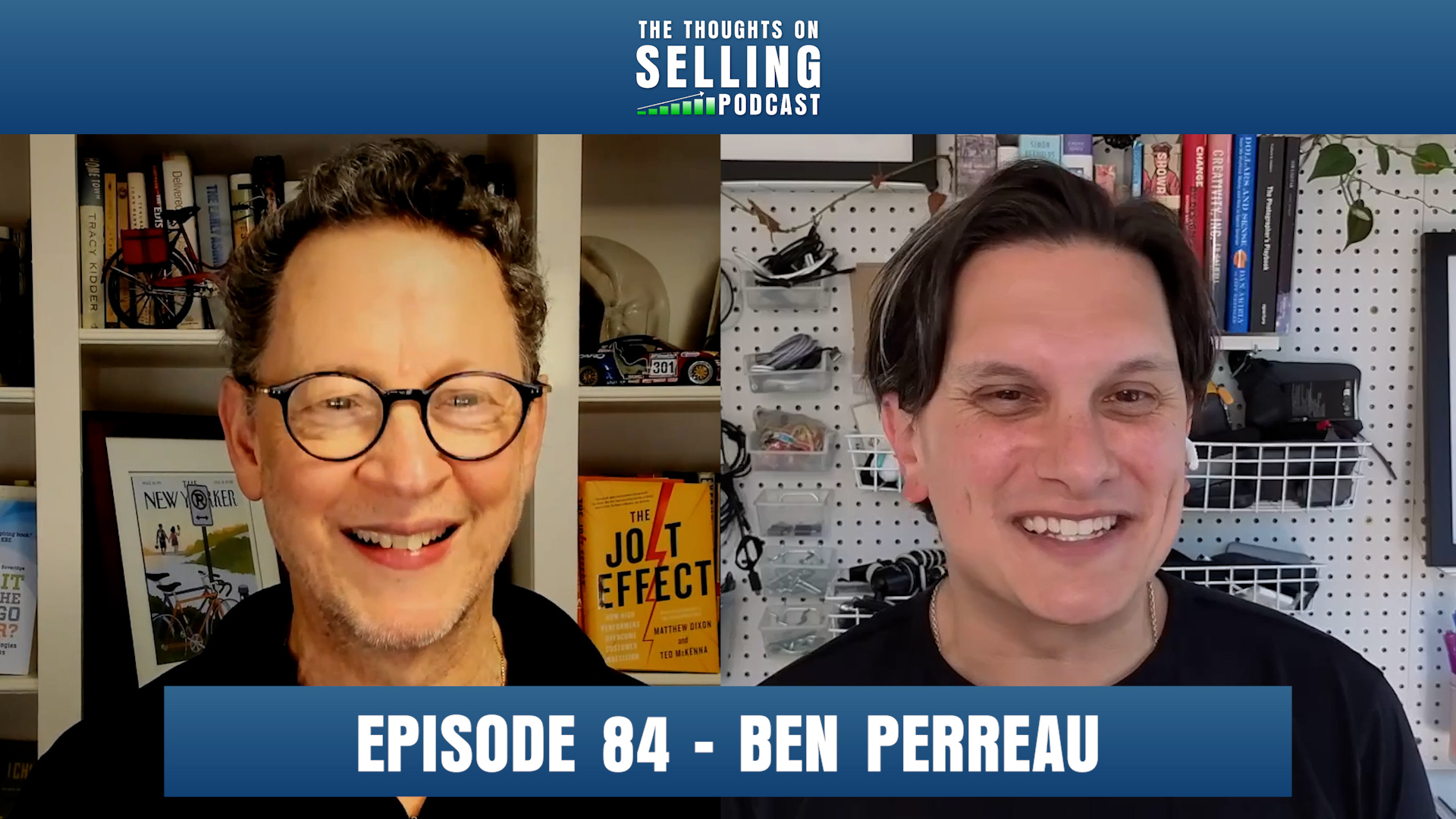
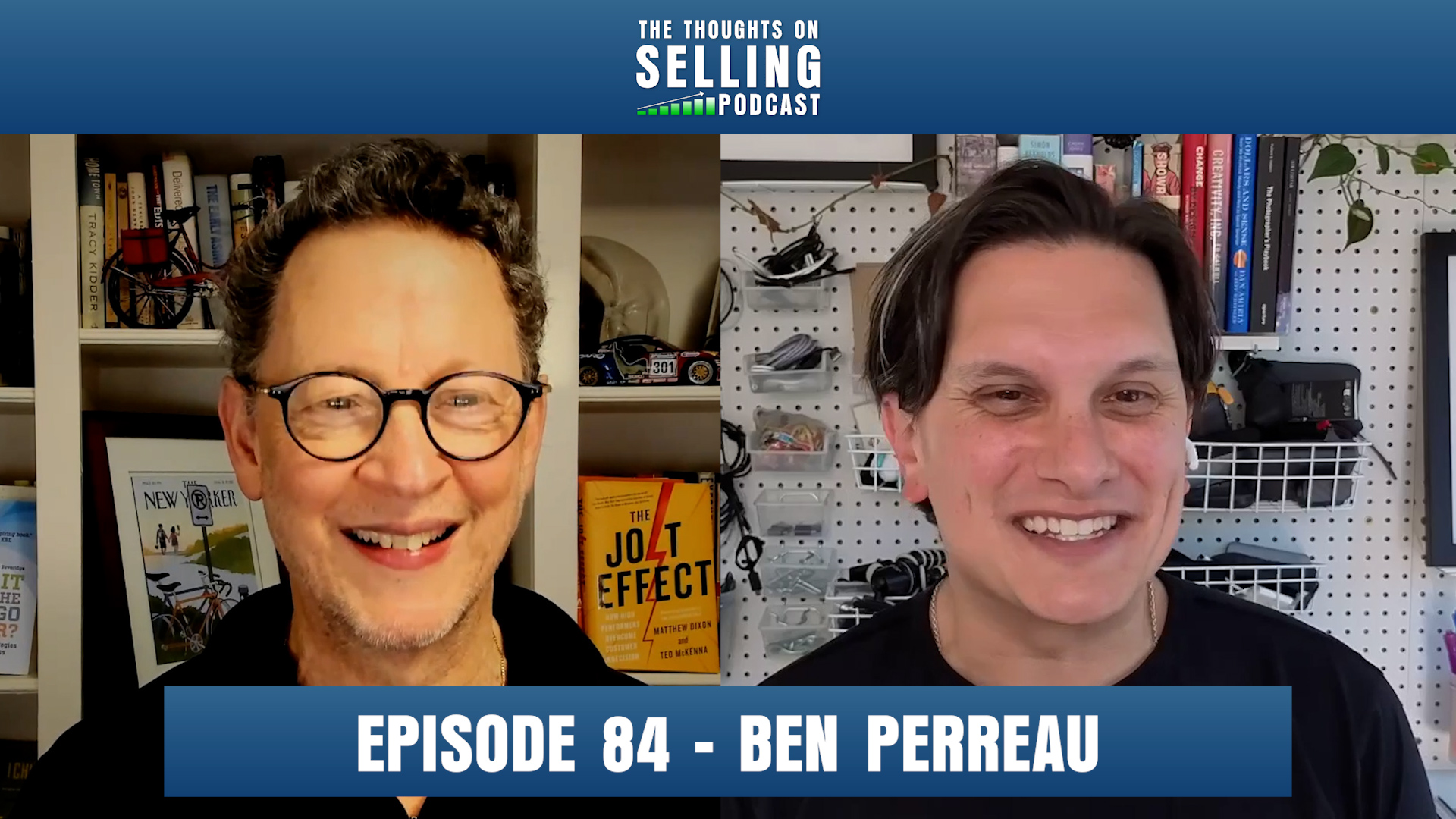
Have you ever felt like you were thrown into a leadership role without a map or compass? You're not alone. In today's fast-paced business world, many companies promote their top individual contributors into management positions, often without providing adequate training or support. The result? An army of 'accidental managers' struggling to navigate the complexities of leadership, leading to disengaged teams and high turnover rates. This blog post dives into this critical issue, exploring the reasons behind the 'accidental manager' phenomenon and offering actionable strategies to address it. We'll also be referencing my recent conversation with leadership expert Ben Perreau, which you can listen to on the Thoughts on Selling podcast episode 84. In this episode, Ben and I explore his incredible journey, the challenges new managers face, and how his company, Parafoil, is using innovative methods to help them succeed. This post aims to build on that discussion, providing a deeper look at the problem and its solutions.
The Shocking Statistic: 82% Unprepared
Let's start with a jaw-dropping statistic: 82% of early-career managers feel unprepared for their roles. This figure, cited by Ben Perreau in the podcast episode, paints a bleak picture of the state of leadership development. Think about it – more than four out of five new managers feel like they're winging it. This isn't just a personal struggle for these individuals; it's a systemic problem that significantly impacts organizations' performance, culture, and bottom line. The lack of preparation leads to several issues: decreased productivity, higher employee turnover, damaged team morale, and ultimately, a negative impact on company profitability. These managers, often promoted because they excelled in their previous individual roles, find themselves suddenly responsible for motivating, guiding, and developing others – a completely different skill set. Without proper training, they rely on their past experiences, often leading to micromanagement, ineffective communication, and an inability to delegate effectively. The result is a team of frustrated employees and a manager who feels overwhelmed and inadequate.
Ben Perreau's Journey: From Journalism to Leadership Expert
Ben Perreau's journey to becoming a leadership expert is anything but conventional. He started his career as a music journalist for the BBC, a role that allowed him to observe and analyze human behavior in diverse and dynamic environments. This experience honed his ability to understand people, identify patterns, and tell compelling stories – skills that proved invaluable when he transitioned into the world of business. As mentioned in the podcast, Ben's transformation was heavily influenced by Theodore Roosevelt's "Man in the Arena" speech. This message resonated with him, pushing him to move from being an observer to an active participant, shaping the world rather than just reporting on it. His career then took him from the newsroom to consulting with Fortune 500 C-suite executives, where he witnessed firsthand the challenges and complexities of leadership at the highest levels. He realized that many companies were struggling with the same core issue: a lack of effective leadership development. This realization led him to found Parafoil, a company dedicated to helping new managers navigate the treacherous waters of leadership and thrive in their roles. Ben's unique background and diverse experiences provide him with a fresh perspective on leadership, one that emphasizes the importance of emotional intelligence, empathy, and creating a safe space for growth and learning.
The Perilous Leap: Individual Contributor to Team Leader
The transition from individual contributor to team leader is often described as the most dangerous leap in a career. This is because the skills and competencies required for success in these two roles are vastly different. As an individual contributor, success is primarily measured by personal performance, technical expertise, and the ability to deliver results independently. However, as a team leader, success is measured by the performance of the team as a whole. This requires a completely different set of skills, including the ability to motivate, coach, and develop others, communicate effectively, resolve conflicts, and delegate tasks appropriately. Many companies make the mistake of assuming that their top individual contributors will automatically be successful leaders. They promote these individuals without providing the necessary training or support, leaving them to figure things out on their own. This often leads to frustration, burnout, and ultimately, failure. The transition from individual contributor to team leader also requires a significant shift in mindset. It's no longer about being the best at the technical aspects of the job; it's about empowering others to do their best work. This requires a willingness to let go of control, trust in the abilities of team members, and focus on creating a supportive and collaborative environment.
Leadership as Photography: Mastering 'Manual Mode'
Ben Perreau uses a compelling analogy to explain the difference between ineffective and effective leadership: photography. He compares inexperienced leaders to photographers who rely solely on "auto mode" on their cameras. In auto mode, the camera makes all the decisions, resulting in generic, predictable images. Similarly, inexperienced leaders often rely on pre-set management techniques or imitate the behaviors of their previous managers without understanding the underlying principles. Effective leaders, on the other hand, are like photographers who have mastered "manual mode." They understand the technical aspects of leadership – the "aperture," "shutter speed," and "ISO" – but they also know how to use these elements creatively to achieve a desired outcome. They can adapt their approach to different situations, understand the nuances of each team member, and create a compelling vision that inspires and motivates others. Mastering "manual mode" in leadership requires developing a deep understanding of human behavior, emotional intelligence, and the ability to adapt to changing circumstances. It's about understanding the principles of effective communication, conflict resolution, and delegation and then applying them in a way that is authentic and tailored to the specific needs of the team. Just like a skilled photographer, a great leader knows when to adjust the settings to capture the perfect shot.
The 'Emotional Meat Sack' Reality: Integrating Emotions at Work
One of the most insightful points Ben Perreau made during our podcast conversation was the concept of the "emotional meat sack." He argues that we often try to suppress or ignore our emotions at work, creating a false separation between our professional and personal selves. However, we are all emotional beings, and trying to deny or suppress our emotions ultimately leads to burnout, stress, and decreased performance. Effective leadership requires acknowledging and integrating our emotions at work. This means being aware of our own emotions, understanding how they impact our behavior, and being able to manage them effectively. It also means being empathetic to the emotions of others, creating a safe space for team members to express themselves, and fostering a culture of emotional intelligence. When we embrace our emotions at work, we create a more authentic and human environment. This leads to stronger relationships, improved communication, and a greater sense of belonging. It also allows us to tap into our creativity and intuition, leading to more innovative solutions and better decision-making. Integrating emotions at work is not about being unprofessional or overly sensitive; it's about recognizing the reality of human experience and using it to create a more positive and productive work environment.
Parafoil and 'Listening Circles': A Safe Space for Growth
Recognizing the need for a safe and supportive environment for new managers to learn and grow, Ben Perreau founded Parafoil. One of Parafoil's key initiatives is the use of "listening circles." These circles provide a structured and confidential space for managers to share their experiences, challenges, and concerns with their peers. They offer a unique opportunity to practice feedback, engage in difficult conversations, and receive support from others who understand the pressures and demands of leadership. The listening circles are facilitated by trained coaches who guide the conversations, ensure that everyone has a chance to speak, and create a safe and respectful environment. The circles are designed to be non-judgmental and focused on learning and growth. Participants are encouraged to share their vulnerabilities, ask for help, and offer constructive feedback to others. By creating a safe space for experimentation and learning, Parafoil helps new managers develop the confidence and skills they need to succeed in their roles. The "listening circles" are not just about venting frustrations; they are about fostering a culture of continuous improvement, promoting empathy and understanding, and building a strong sense of community among leaders.
The Bottom Line: Investing in Leadership Development
The 'accidental manager' crisis is a significant challenge for organizations of all sizes. Promoting high-performing individual contributors into leadership positions without adequate training and support is a recipe for disaster. It leads to disengaged teams, high turnover rates, and a negative impact on the bottom line. The bottom line is that investing in leadership development is not just a nice-to-have; it's a business imperative. Companies need to provide their new managers with the tools, resources, and support they need to succeed. This includes comprehensive training programs, mentorship opportunities, coaching, and access to resources like Parafoil's "listening circles." By investing in leadership development, companies can create a pipeline of effective leaders who can inspire, motivate, and guide their teams to achieve their full potential. This not only improves employee engagement and retention but also drives innovation, productivity, and ultimately, business success. The cost of ignoring the 'accidental manager' crisis is far greater than the cost of investing in leadership development. It's time for companies to recognize the importance of leadership development and make it a top priority.
Call to Action: Resources for 'Accidental Managers'
If you're an 'accidental manager' feeling overwhelmed and unprepared, know that you're not alone. The first step is to acknowledge the challenges you're facing and seek out resources and support. Here are a few actionable steps you can take:
- Seek out training opportunities: Look for leadership development programs offered by your company or external organizations.
- Find a mentor: Connect with an experienced leader who can provide guidance and support.
- Join a peer group: Participate in a "listening circle" or other peer group where you can share your experiences and learn from others.
- Focus on self-development: Read books, articles, and blogs on leadership, and attend workshops and conferences to expand your knowledge and skills.
- Practice empathy and emotional intelligence: Develop your ability to understand and respond to the emotions of others.
- Learn to delegate effectively: Empower your team members to take ownership of their work and develop their skills.
Remember, becoming an effective leader is a journey, not a destination. It requires continuous learning, self-reflection, and a willingness to embrace challenges. Don't be afraid to ask for help, and celebrate your successes along the way.
If you found this blog post helpful, be sure to check out my conversation with Ben Perreau on the Thoughts on Selling podcast episode 84 for more in-depth insights and practical advice.
Connect with Ben Perreau and Parafoil
Learn more about Ben Perreau's work and Parafoil's innovative solutions for leadership development:
- Visit Parafoil.co
- Connect with Ben Perreau on LinkedIn
Subscribe to Thoughts on Selling
Don't miss out on future episodes and insightful conversations on sales, leadership, and personal development. Subscribe to Thoughts on Selling today!